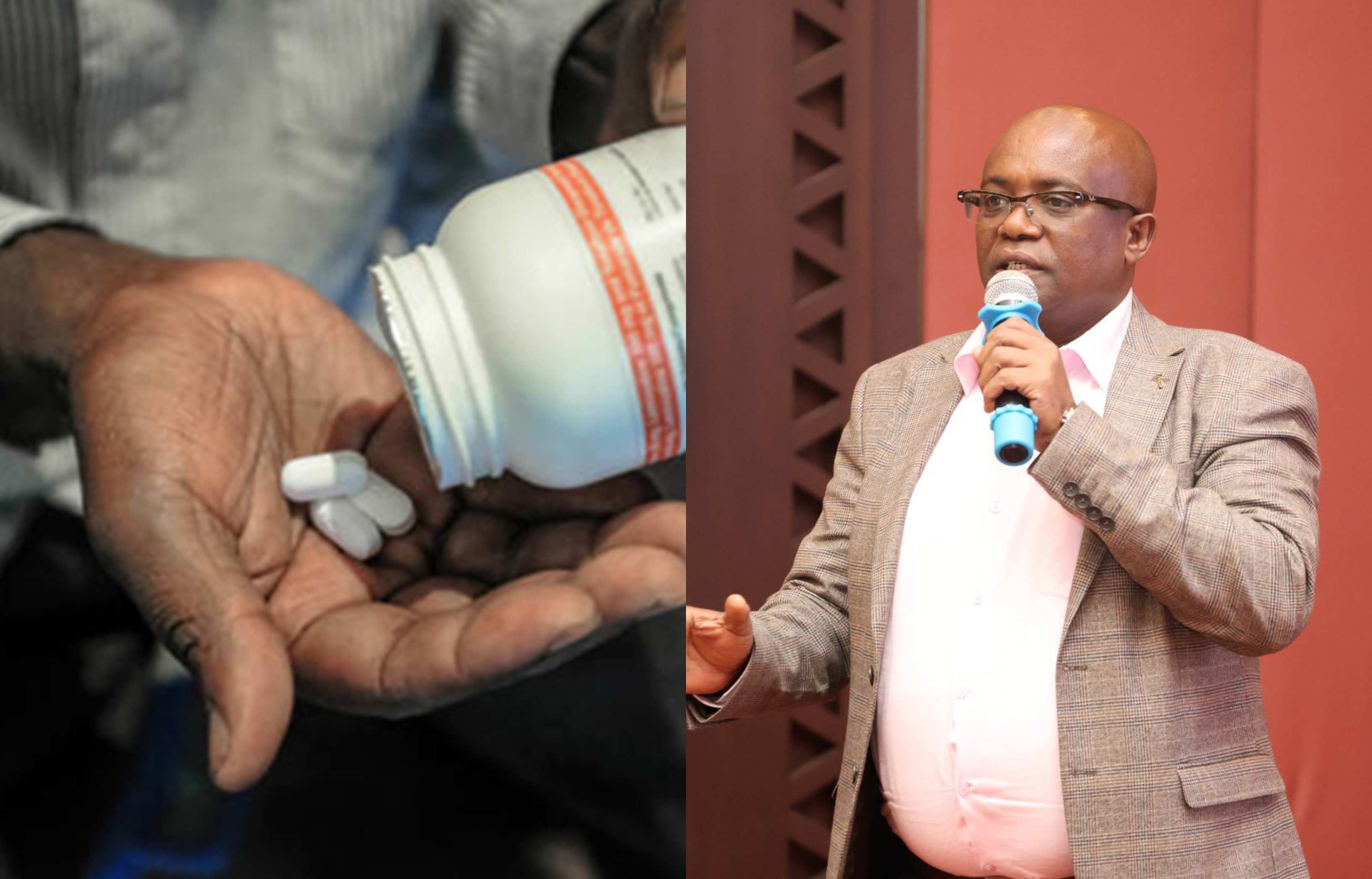
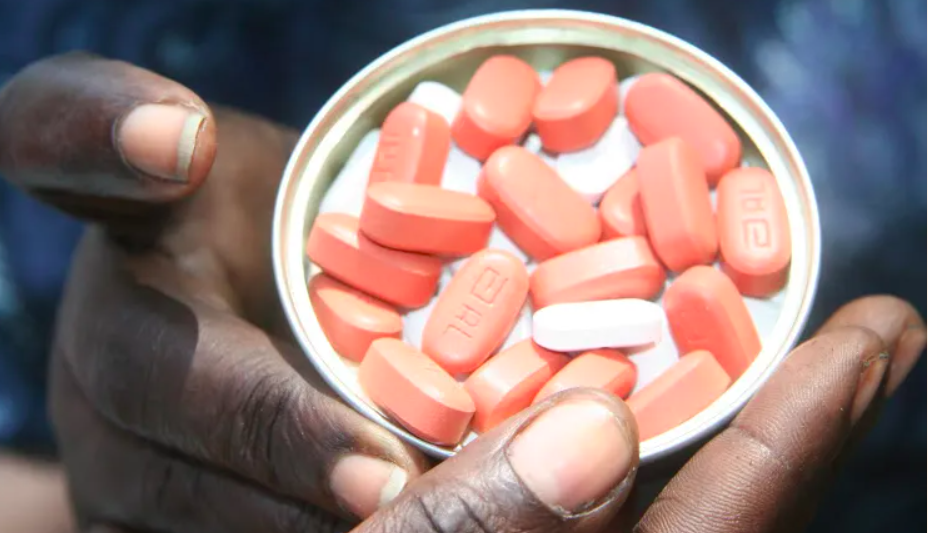
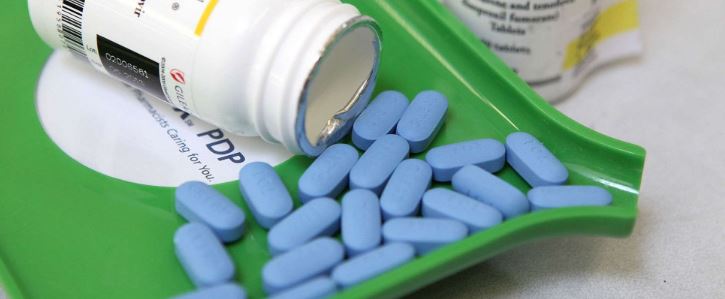
Eight countries, among them
Kenya, Nigeria and Lesotho, could
soon run out of HIV drugs following US government’s recent decision
to pause foreign aid, WHO has said.
However, Kenya’s Ministry of
Health says the country has enough
ARVs to last four months.
More
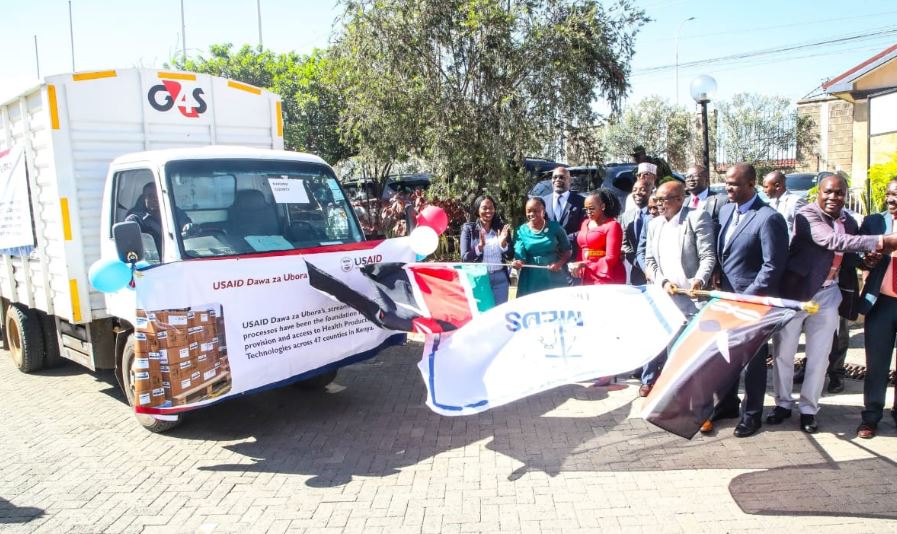
shipments are on the way, raising
Kenya’s ARV stock to enough levels
until June.
US President Donald Trump announced the freeze on his first day in
office in January, as part of a review
into government spending.
“Disruptions to HIV programmes
could undo 20 years of progress,” WHO chief Tedros Ghebreyesus
said at a press conference on Monday.
It could also lead to more than 10
million additional cases of HIV and
three million HIV-related deaths,
he added, noting that this is “more
than triple the number of deaths last
year”.
Nigeria, Kenya, Lesotho, South
Sudan, Burkina Faso, Mali, Haiti and Ukraine would run out of
life-saving anti-retroviral medicines
in the coming months, Tedros said.
Trump’s executive order paused
foreign aid support for an initial
duration of 90 days in line with his
“America First” foreign policy.
It has affected health programmes
around the world, leaving shipments of critical medical supplies,
including HIV drugs, greatly hampered.
The majority of the US Agency
for International Development’s
programmes have since been terminated.
Despite a waiver issued in February for the US’s ground-breaking
HIV programme, its work has been
severely impacted.
Known as the US President’s
Emergency Plan for Aids Relief
(Pepfar), it relies on logistical support from USAID and other organisations hit by the turmoil.
It has led to the “immediate stop
to services for HIV treatment, testing and prevention in more than 50
countries”.
Launched in 2003, Pepfar has
enabled some of the world’s poorest people to access anti-retroviral
drugs and has been credited with
saving more than 26 million lives
worldwide.
During his first days in office,
Trump also announced that the US
would pull out of the WHO, affecting funding for the global health
agency.
“The US administration has been
extremely generous over many
years. And of course, it’s within its
rights to decide what it supports and
to what extent,” Tedros said.
“But the US also has a responsibility to ensure that if it withdraws
direct funding for countries, it’s
done in an orderly and humane way
that allows them to find alternative
sources of funding.”
An estimated 25 million people
are living with HIV in sub-Saharan
Africa, which is more than two thirds of the global total 38 million
people living with the disease.
In Nigeria, nearly two million
people are living with HIV, with
many relying on receiving aid-funded medicines.
Kenya has the seventh-largest
number of people living with HIV
in the world, at around 1.4 million,
according to WHO data.
“We ask the US to reconsider its
support for global health, which not
only saves lives around the world, it
also makes the US safer by preventing outbreaks from spreading internationally,” Dr Tedros said.
Last week, MoH said the country
has nearly five months of stock of
the commonly used ARVs, known
as TLD, a combination of Tenofovir/
Lamivudine/Dolutegravir.