Kenya’s loss at the African Union Commission election by one
of the continent’s smallest countries has shone the spotlight on Nairobi’s
diplomacy with questions now emerging on the quality of Kenya’s envoys.
Experts
have questioned the type of diplomats entrusted with the huge assignment of
championing Kenya’s interests in foreign capitals.
This comes when political
appointees have largely displaced career diplomats.
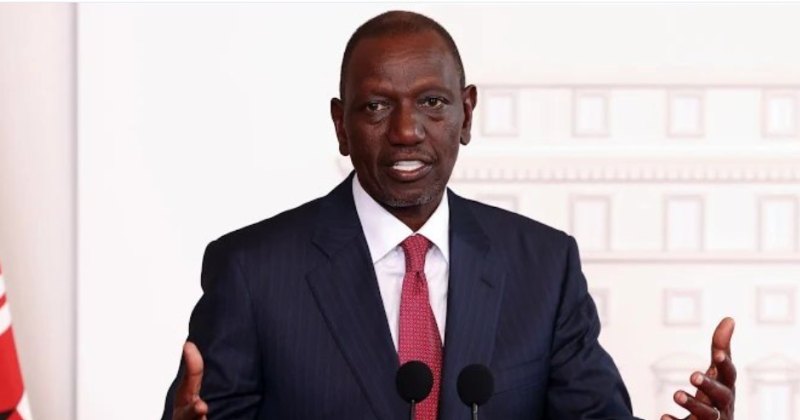
Since taking power,
President William Ruto has systematically snubbed career diplomats and instead
given ambassadorial jobs to political losers.
Ruto seems to have inherited the
practice from retired President Uhuru Kenyatta who had similarly used the
ambassadorial jobs as rewards to allies.
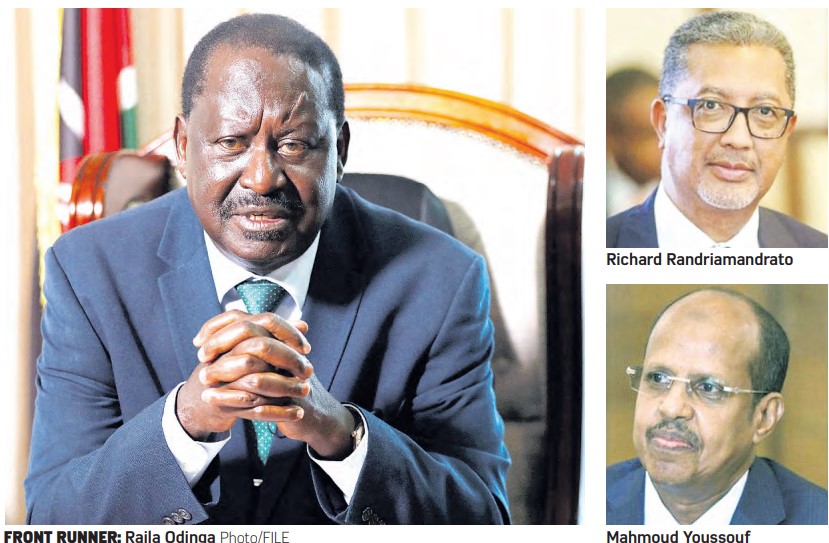
In the AU contest, former Prime
Minister Raila Odinga was beaten by Djibouti’s Mahmoud Ali Youssouf despite
significant investments in the election by the State.
The campaign was
spearheaded by Ruto, a secretariat that involved the Ministry of Foreign
Affairs and the country’s ambassadors across the continent.
Interestingly,
Kenya boasts of an impressive 28 embassies in Africa, compared to Djibouti’s
eight.
These missions were expected to strategically bolster Kenya’s campaigns
in their respective destinations, complementing the President and Secretariat’s
efforts.
Observers now point fingers at the envoys as a possible weak link in
the well-oiled continental diplomatic offensive.
Foreign Affairs Policy expert
Gordon K’achola told the Star of the need for a law change to lock out
non-diplomats from representing the country abroad.
In March last year, Ruto
made the second round of his Foreign Service changes, nominating majority
political rejects who had initially been nominated to the unconstitutional
Chief Administrative Secretary post.
Others on the list were retired military
chiefs, relatives to political figures and a few career diplomats.
It’s
however, a traditional practice to appoint retired senior military and security
chiefs as diplomats, largely because of their training in intelligence.
Among
those who had been named as CASs and tapped for diplomatic postings are former
Kisii Deputy Governor Joash Maangi (Uganda), former Kisumu Senator Fred Outa
(Egypt) and former Baringo speaker David Kerich (US).
Former Kericho Senator
Christopher Langát was appointed ambassador to Ivory Coast, while ex-Mandera Senator
Aden Mohamud Mohamed is Kenya’s Consul-General in Jeddah, Saudi Arabia.
Others
are widow of third Nyeri Governor Wahome Gakuru, Catherine Karemu (UK), former
West Pokot Woman Representative Lilian Tomitom (Zambia), former LSK Vice
President Caroline Kamende (Canada) and academician Anne Kisaka Nanguli
(Senegal).
Jessica Gakinya, who was vice chairperson Kenya Fisheries Service
Board, is Kenya’s ambassador in Morocco, former Jubilee nominated MP Halima
Mucheke is the envoy in The Hague, Netherlands, while former Kilifi chief officer
Evelyne Mwenda Karisa is the ambassador in Havana, Cuba.
Former ANC nominated
Senator Petronila Were was posted as Deputy Head of Mission in Addis Ababa —
the African Union capital — while former IEBC chief executive and
Communications Authority of Kenya director general Ezra Chiloba is Kenya’s
Consul-General, Los Angeles, US.
Former Igembe Central MP Kubai Iringo is the
ambassador to Somalia while former West Mugirango MP Vincent Kemosi was
initially nominated as Ghana’s envoy but turned down the offer.
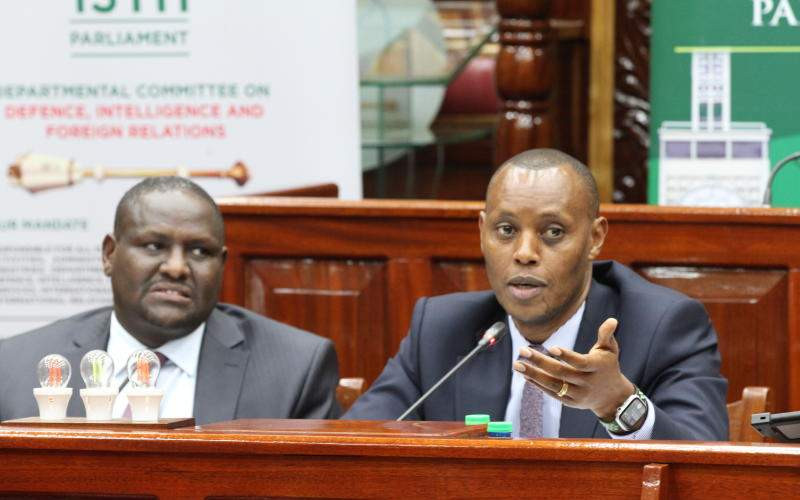
The National
Assembly Committee on Defence and Foreign Relations was forced to reject the
nomination of Charles Githinji Kiiru as the Consul General for Goma, DRC, after
he failed to demonstrate the required competencies during vetting.
In the
latest changes in December, President Ruto appointed exiting cabinet
secretaries Prof Margaret Ndung’u (ICT) and Dr Andrew Karanja (Agriculture) to
serve as envoys to Ghana and Brazil respectively.
Ndung’u rejected the job.
Former Sports CS Ababu Namwamba was named Permanent Representative to the Unep.