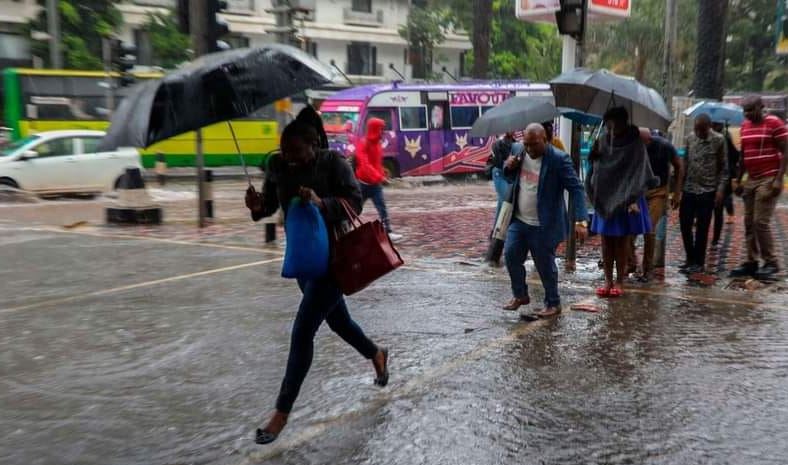
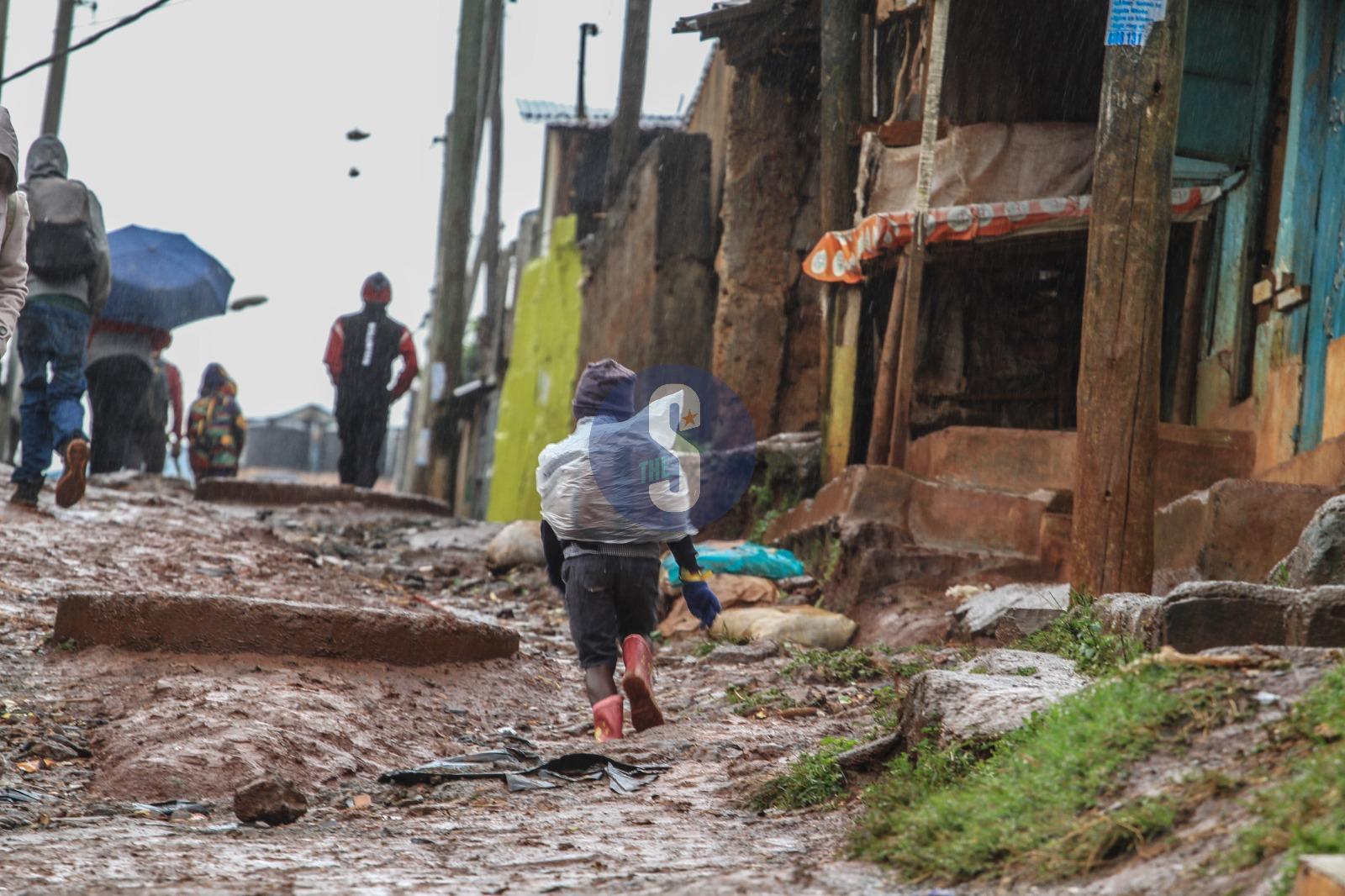
Occasional rainfall may still be experienced in February.
by The Star
Audio By Vocalize
Kenyans during the recent rains in Nairobi/FILE
The Kenya Meteorological Department
has announced that the March-April-May (MAM) rains will begin early in
February.
In its latest rainfall outlook
report, Met indicated that in some regions, the rains will cease in the third
to fourth week of May, while in other areas, the conditions will persist until
June.
Several regions are expected to receive
near to above-average rains, others near to below-average, and the remainder
will experience generally poor to fair rains.
The Lake Victoria Basin, South Rift
Valley, and some parts of the Highlands West of the Rift Valley will see
continuous rains from February into the season, with occasional breaks.
These areas, including Siaya,
Kisumu, Homa Bay, Migori, Busia, Narok, Bomet, Kisii, Nyamira, Kericho, Nandi,
Kakamega, Vihiga, Elgeyo Marakwet, Uasin Gishu, Trans Nzoia, Bungoma and
Southern parts of West Pokot, are projected to receive near to above long-term
average rainfall amounts.
Counties in the Central and North of
the Rift Valley, such as Nakuru, Baringo, and western Laikipia, are likely to
receive near to below long-term average rainfall amounts.
Occasional rainfall may still be
experienced in February.
In the Northwestern Counties,
Turkana and Samburu, along with the northern parts of West Pokot, rains are
predicted to be near to below long-term average, with some areas bordering
South Sudan likely to experience near to above-average rainfall.
The Highlands East of the Rift
Valley and Nairobi County, including Nyandarua, Nyeri, and Kiambu, will receive
rains with some breaks, with expected amounts near to below the season's
long-term average.
The Southeastern Lowlands, including
Kitui, Makueni, and Machakos, are also expected to have near to below long-term
average rainfall, although Kajiado and parts of Taita Taveta might experience
near to above-average rainfall.
Northeastern Counties like Mandera,
Marsabit, and Garissa will see occasional rainfall, expected to be below the
long-term average for the season.
The Coastal Strip, including
Mombasa, Kwale, and Kilifi, will also experience near to below-long-term
average rainfall amounts, with Lamu expected to receive below-normal rainfall.
Met has warned that the expected
rainfall during the March to May long rains season may have both positive and
negative impacts across various sectors.
Due to intra-seasonal climate
variability drivers like tropical cyclones and the Madden-Julian Oscillation
(MJO), which are only predictable at shorter lead times, Kenyans are advised to
stay updated with the department's 24-hour, five-day, seven-day, and monthly
forecasts.
The MJO, a significant atmospheric
phenomenon, will influence tropical weather patterns, impacting clouds,
rainfall, winds, and pressure.
It typically cycles every 30 to 60
days, with phases of enhanced and suppressed rainfall.
During the past MJOs, Western Kenya experienced
increased rainfall in phases 1 to 4, while Eastern Kenya saw rainfall earlier,
during phases 7-8.
This is premium content
Subscribe to Continue Reading
Help us continue bringing you unbiased news, in-depth investigations, and diverse perspectives. Your subscription keeps our mission alive and empowers us to provide high-quality, trustworthy journalism. Join us today to make a difference!