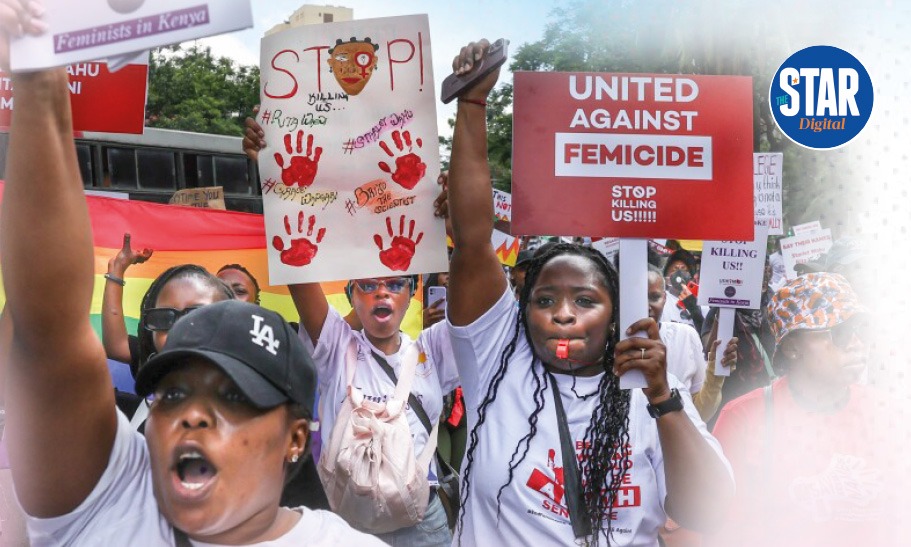
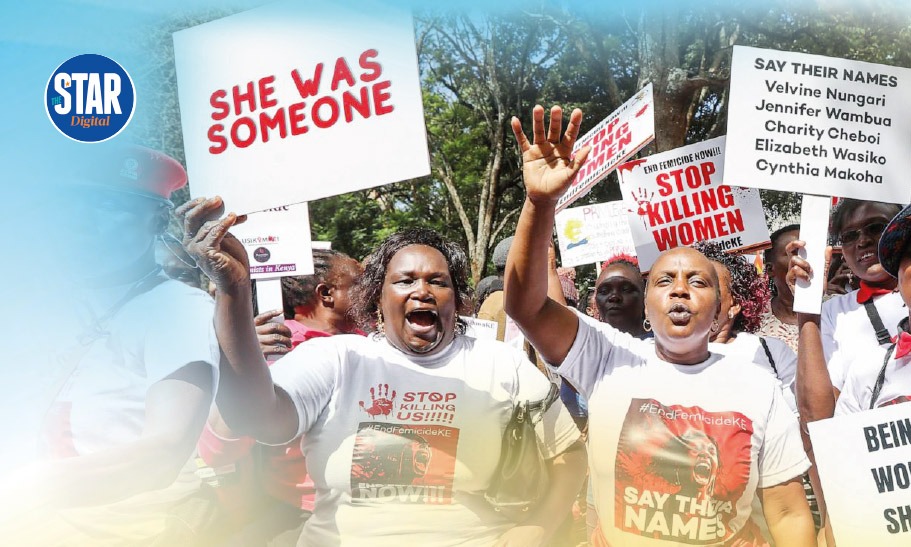
Rising femicide: Experts urge societal and governmental action
Experts say the cases seem to rise when people face economic strain.
by SHARON MWENDE
Audio By Vocalize
Cases of femicide may be fueled by economic issues and lack of mentorship
for the youth, it has now emerged
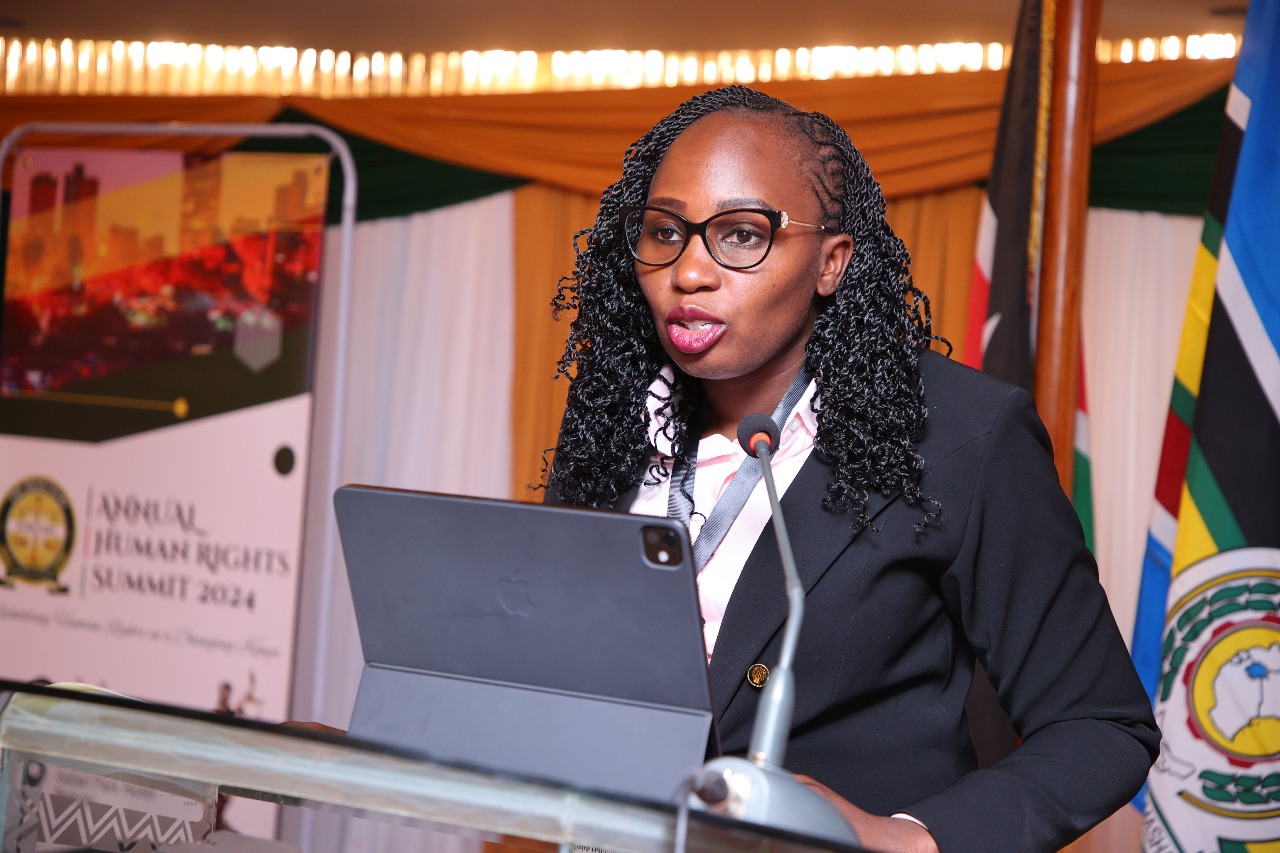
Speaking during an interview with Citizen TV on Wednesday, Researcher Patricia Andago noted that
these cases tend to rise during times of economic downturn, such as in January.
She emphasised that femicide is partly a societal issue, as perpetrators are
often husbands or boyfriends.
"The cases seem to rise when people face economic strain. This points
to an economic issue, putting pressure on households that could lead to
detrimental effects," Andago explained.
"The majority of these cases involve young people, both perpetrators and
victims. We need to ask ourselves, 'How can we mentor young people, especially
when they are entering relationships?'"
Andago stressed the importance of creating an environment where aggressive
action is taken when a victim reports any form of violence to prevent it from
escalating to femicide.
She also highlighted the urgent need for safe houses for women facing
gender-based violence (GBV).
At the same time, Dr Bashir Isaak of the Ministry of Health reiterated that
femicide is a societal issue requiring a collective decision.
"These women are dying, and GBV is happening because as a society, we
have yet to decide that these lives are worth protecting and saving," he
said.
Isaak called for the inclusion of legal instruments to deal with
perpetrators and noted that cases often reach the health sector too late after
a crime has been committed.
"We have a prevention component, but it needs to happen at the societal
level, starting with family mentorship," Isaak added.
He mentioned that the Ministry of Health has policies, and guidelines and has trained
health workers to address these cases.
Additionally, they have a multi-sectoral coordination program involving the
police, judiciary, health workers and the community.
Isaak emphasised the need for donor funding to keep evidence safe and
support witnesses until court proceedings
He also highlighted the need to treat children, who are the aftermath
victims when a mother is killed and the father jailed, with a sober mind.
"We must solve our problems from the root cause in society. Economic
issues play a role, but deep-rooted cultural issues also exist," he added.
A report launched on Monday shows that 2024 was the deadliest year for
femicide since 2018.
Data by Odipo Dev and Africa Uncensored reveal that 170 women died at the
hands of current or former intimate partners during the year.
The report, based on an analysis of over 930 female murders in Kenya since
2016, draws from court records and media reports to provide insights into
patterns of violence against women.
Titled ‘The Silencing of Women Project,’ the report examines case judgments
issued between 2016 and 2024, offering a detailed perspective on these murders
and the progress of justice in addressing them.
This is premium content
Subscribe to Continue Reading
Help us continue bringing you unbiased news, in-depth investigations, and diverse perspectives. Your subscription keeps our mission alive and empowers us to provide high-quality, trustworthy journalism. Join us today to make a difference!