The Intergovernmental Authority on Development (IGAD) has called for a
fundamental rethinking of mediation approaches in the Horn of Africa, warning
that traditional frameworks are increasingly ineffective in the face of
fragmented conflicts, shifting geopolitical dynamics, and weakening
multilateral systems.
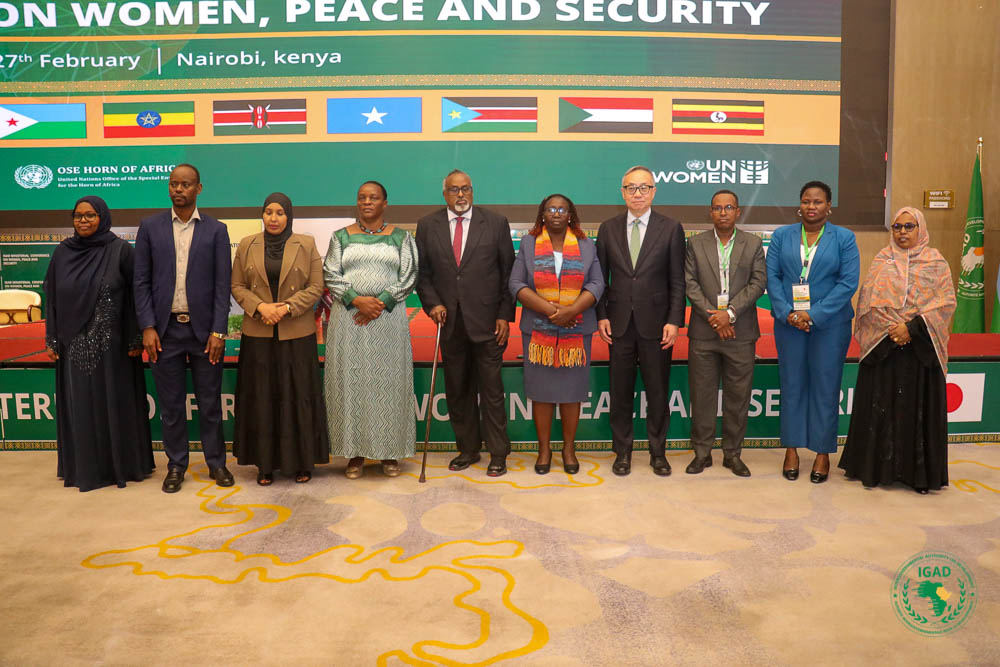
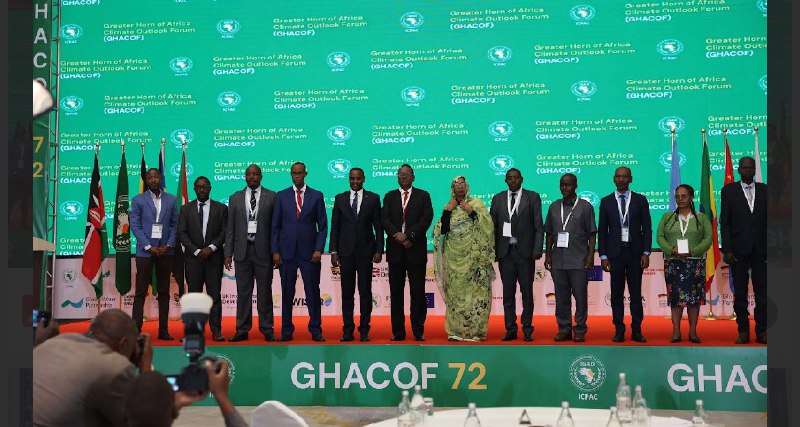
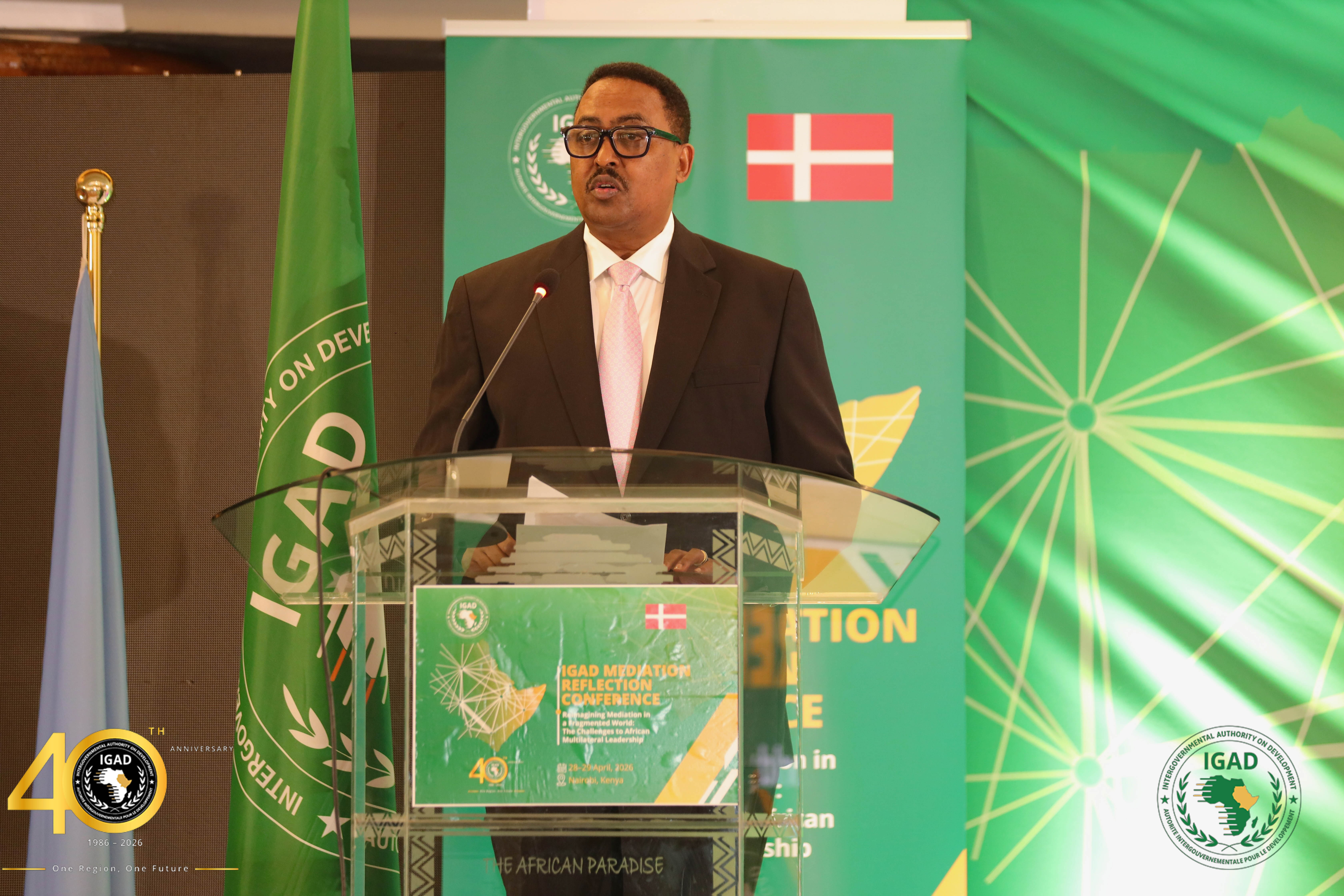
Speaking during the opening of the IGAD Mediation Reflection Conference in
Nairobi, IGAD Executive Secretary Workneh Gebeyehu reiterated the urgency of
adapting mediation to a rapidly evolving global and regional landscape.
The two-day conference has brought together regional leaders, diplomats and
international partners to assess the future of conflict resolution in the
region, with particular focus on Sudan.
“We meet at a time when the foundations that once sustained mediation are
under visible—and growing—strain,” said Workneh.
“We are not simply living through a period of crisis; we are living through
a transformation.”
He noted that mediation today is no longer insulated from geopolitics, but
is instead shaped by competing international interests, fragmented authority,
and diminishing coherence.
According to IGAD, the erosion of trust among states and the rise of
transactional diplomacy are further complicating peace processes.
“For IGAD, mediation is not optional. It is our most visible political
responsibility,” he said, adding that the credibility of regional
multilateralism is increasingly judged by its ability to prevent and resolve
conflicts.
Kenya’s Prime Cabinet Secretary and Cabinet Secretary for Foreign and
Diaspora Affairs, Musalia Mudavadi, reaffirmed the central role of IGAD in regional
peace efforts, emphasising the need to strengthen the bloc as the primary
mechanism for mediation in the Horn of Africa.
“A more harmonized approach, anchored on IGAD’s leadership, will strengthen
coherence and effectiveness in the region,” Mudavadi said.
He highlighted the dual challenge facing mediation efforts: protracted,
evolving conflicts and external pressures on multilateral systems.
Mudavadi called for increased financial commitment from member states to
support IGAD’s mandate, stressing that reliance on external partners should
remain supplementary.
“Ownership of IGAD programmes, including mediation, must be reflected in
resource commitment by members,” he said.
The conference also examined the ongoing crisis in Sudan, now entering its
third year of conflict.
IGAD acknowledged that despite sustained mediation efforts, including
international initiatives such as the Berlin Conference, progress has been
limited.
“Despite sustained efforts, we have neither halted the fighting nor secured
a credible political process. This is failure—and it must be acknowledged,”
Workneh stated.
He warned that Sudan risks becoming a symbol of the broader breakdown in
mediation effectiveness.
“If mediation cannot make a difference in Sudan, its credibility everywhere
is at risk,” he said, calling for unified, politically anchored and
strategically coherent approaches.
Echoing these concerns, African Union Special Representative for Sudan,
Ambassador Mohamed Belaiche, emphasised the need for coordination among
regional and international actors to avoid fragmented initiatives.
“The real challenge facing everyone today is how to bridge disparate efforts
and connect paths that sometimes seem to run parallel and never intersect,”
Belaiche said.
He stressed that African-led solutions remain essential, noting that the
gathering itself demonstrated that “the African voice remains present and
capable of finding solutions to African problems.”
Belaiche outlined key principles guiding African Union engagement, including
Sudanese ownership of the peace process, inclusiveness of women and youth,
coordination with IGAD, and accountability for war crimes.
He warned that any political process must respect Sudan’s unity and
territorial integrity.
The conference highlighted the increasing complexity of modern conflicts in
the Horn of Africa, characterised by multiple actors, blurred internal and
external dynamics and entrenched war economies.
These factors, participants noted, require more flexible, inclusive, and
adaptive mediation frameworks.
Mudavadi emphasized that sustainable peace cannot be achieved without broad
participation. “Mediation processes must be inclusive. Women, youth, and local
communities must be part of the solution,” he said.
Participants also raised concerns over the persistent gap between peace
agreements and their implementation.
Weak institutional support and lack of follow-through have often led to the
resurgence of conflict, undermining earlier gains.
“We must prioritize implementation by strengthening institutional support
mechanisms,” Mudavadi said, adding that agreements alone are insufficient
without sustained commitment.
As the conference continues, IGAD is expected to consolidate insights into a
strategic roadmap aimed at restoring the effectiveness of mediation in the
region.
The outcome is anticipated to reinforce IGAD’s leadership role while
promoting greater coordination among African and international stakeholders.
Workneh concluded with a call to action: “We cannot normalize permanent war.
What the Horn of Africa requires is not management, but resolution. This must
be a moment of decision—a decision to restore mediation and act with urgency
and purpose.”