Somalia heightens security in Mogadishu as parliament passes new constitution
3mon agoBRIAN ORUTAAfrica
“It reflects the aspirations of the Somali people and provides a framework for accountability and transparent governance.”


Audio By Vocalize
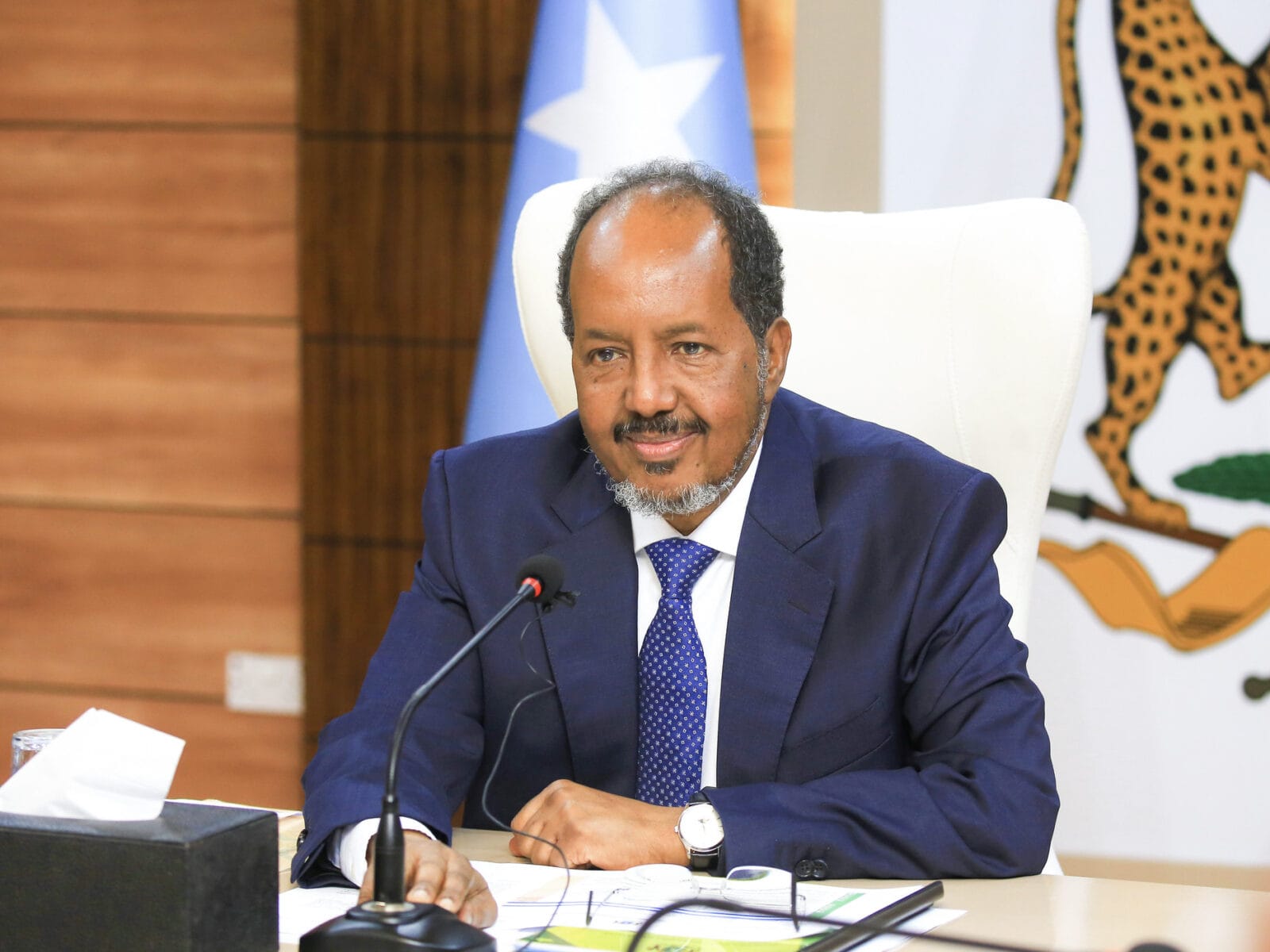
Somalia has taken a significant step toward democratic
governance and institutional stability, with President Hassan Sheikh Mohamud
earning praise for his role in advancing the country’s new Constitution.
The milestone, which now awaits parliamentary approval and
implementation, is widely viewed as laying the groundwork for stronger
institutions, enhanced rule of law and inclusive governance across the Horn of
Africa nation.
Mohamud, the only Somali leader to serve two consecutive
five-year terms, is credited with dedicating substantial time and resources to
ensure the constitutional review process reached its current stage.
Observers say his leadership was central in coordinating
nationwide consultations and guiding deliberations among key stakeholders.
“This Constitution is a turning point for Somalia. It lays
the foundation for an orderly society after decades of instability,” said
Mohamud Abdalla, a civil servant based in Mogadishu.
“It reflects the aspirations of the Somali people and
provides a framework for accountability and transparent governance.”
Regional partners have also welcomed the development.
Officials within the East African Community described Somalia’s progress as a
boost for stability in the region.
“Somalia’s steps toward constitutional governance strengthen
confidence in the Horn of Africa,” said Joseph Okello, a senior EAC official in
Nairobi.
“It sets an encouraging precedent for democratic
consolidation in the region.”
Residents along the Somalia-Kenya border expressed optimism
that the new constitutional framework could translate into improved security
and economic cooperation. With Kenya planning to reopen its border with
Somalia, traders say legal and institutional clarity is critical.
“I believe this Constitution will help restore order at the
border,” said Musa Dhulow, a trader in Mandera, Kenya. “With Kenya planning to
reopen its border with Somalia, a stable legal framework is crucial for
businesses and communities alike.”
The Constitution outlines key governance provisions designed
to balance executive and legislative authority.
Under the proposed framework, the President will be elected
by Parliament, while Members of Parliament will be elected directly by
citizens. The Prime Minister will be appointed by the President but can be
removed by Parliament. A President may serve a maximum of two terms.
It also introduces stricter eligibility requirements for top
office holders. The President, Prime Minister, the two Speakers of Parliament
and the Chief Justice of the Supreme Court will be barred from holding dual
citizenship and must declare their assets to the Auditor General upon assuming
office.
The document grants Mogadishu the status of a Capital
Region. Residents will elect a local council responsible for appointing
district commissioners and forming a Capital Council.
The Capital Council will elect the Mayor, who will oversee
administrative functions, while the Federal Government will appoint a senior
official to handle security and political affairs. The official term of
government will be five years.
“This Constitution signals hope for Somalia and the wider
region,” said Fatuma Hassan, a civil society leader in Mogadishu.
“It gives citizens a clear roadmap for democratic governance
and lays the groundwork for peace and development.”
As Somalia moves toward parliamentary approval and
implementation, attention is expected to shift to translating constitutional
principles into practical reforms aimed at consolidating peace and fostering
long-term prosperity.