
Security was significantly heightened across Mogadishu on
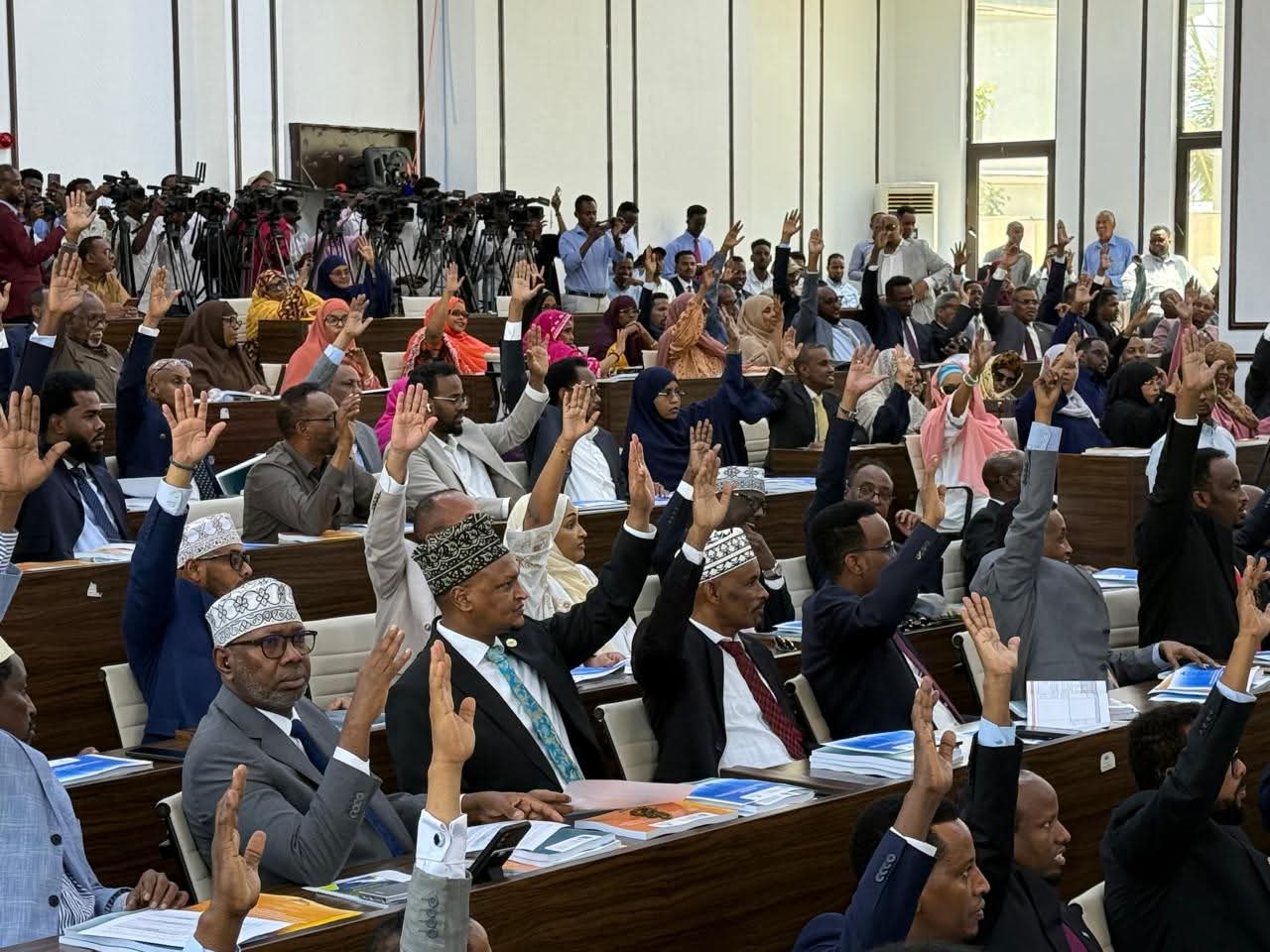
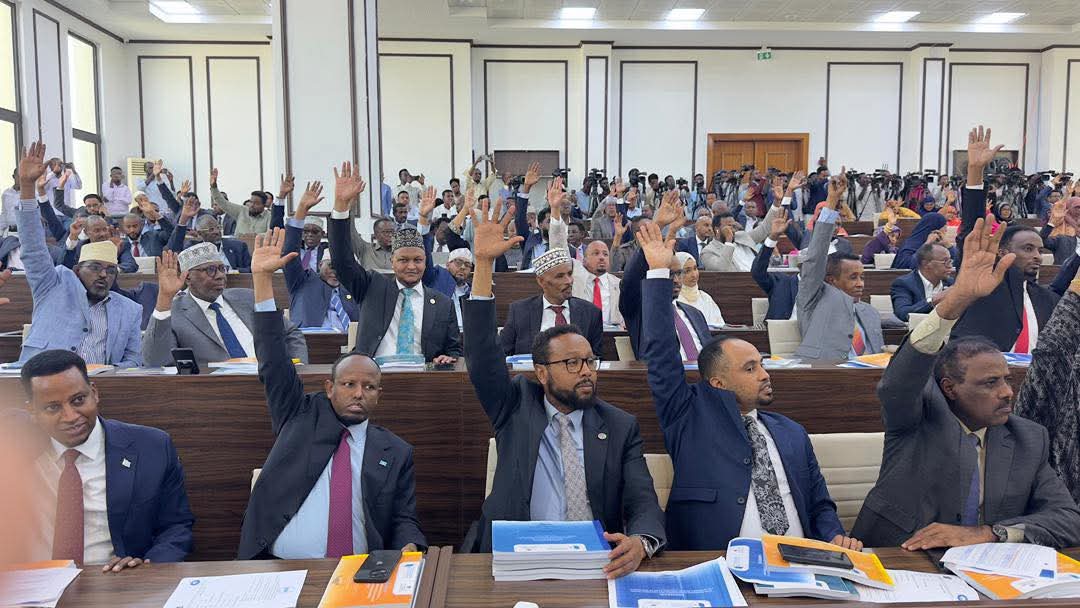
Wednesday as Parliament approved Somalia’s new Constitution by majority vote,
marking what leaders described as a historic milestone in the country’s
political transition.
Police officers were deployed in large numbers to guard key
installations, major roads and public spaces in the capital, as authorities
implemented precautionary measures to ensure a peaceful and orderly process
during and after the parliamentary vote.
The visible security presence underscored the significance
of the moment, widely regarded as a turning point in Somalia’s governance
journey.
Assad Osman Abdullahi, the Somalia Police Commissioner,
assured residents, lawmakers and visitors that comprehensive arrangements had
been made to safeguard the city.
“We have taken all necessary measures to guarantee security
during this important period. Citizens should go about their activities with
confidence,” Abdullahi said.
The heightened vigilance comes amid reports of improved
security in recent months. Authorities say the country has experienced fewer
terrorist attacks and incidents of unrest compared to previous years, a trend
analysts attribute to sustained security operations and closer coordination
between federal and regional administrations.
The passage of the Constitution signals the start of a new
phase for Somalia, which has endured decades of political instability and
conflict. Lawmakers approved the document in a joint parliamentary session,
setting the stage for implementation of reforms designed to strengthen
governance and consolidate state institutions.
Observers say the new constitutional framework provides the
legal foundation required to restore law and order and reinforce public
accountability.
Central to the document is a robust separation of powers,
clearly delineating the responsibilities of the Executive, Legislature and
Judiciary.
By entrenching oversight mechanisms and institutional checks
and balances, the Constitution seeks to curb abuse of office and promote
transparency in public service.
A strengthened and independent judiciary is expected to play
a pivotal role in upholding the rule of law and ensuring disputes are resolved
through lawful channels.
The charter also clarifies federal arrangements, defining
the distribution of authority between the national government in Mogadishu and
regional administrations.
Analysts say this clarity could help reduce long-standing
jurisdictional disputes, enhance coordination in security matters and improve
service delivery across the country.
Equally significant is the enhanced Bill of Rights embedded
in the new supreme law. The provisions safeguard civil liberties, affirm
equality before the law and aim to address historical grievances that have
contributed to divisions.
Security officials said the reinforced measures in Mogadishu
would remain in place as authorities monitor the situation during the initial
implementation phase.
“We remain vigilant, but we are confident that this process
will strengthen our institutions and contribute to lasting stability,”
Abdullahi added.