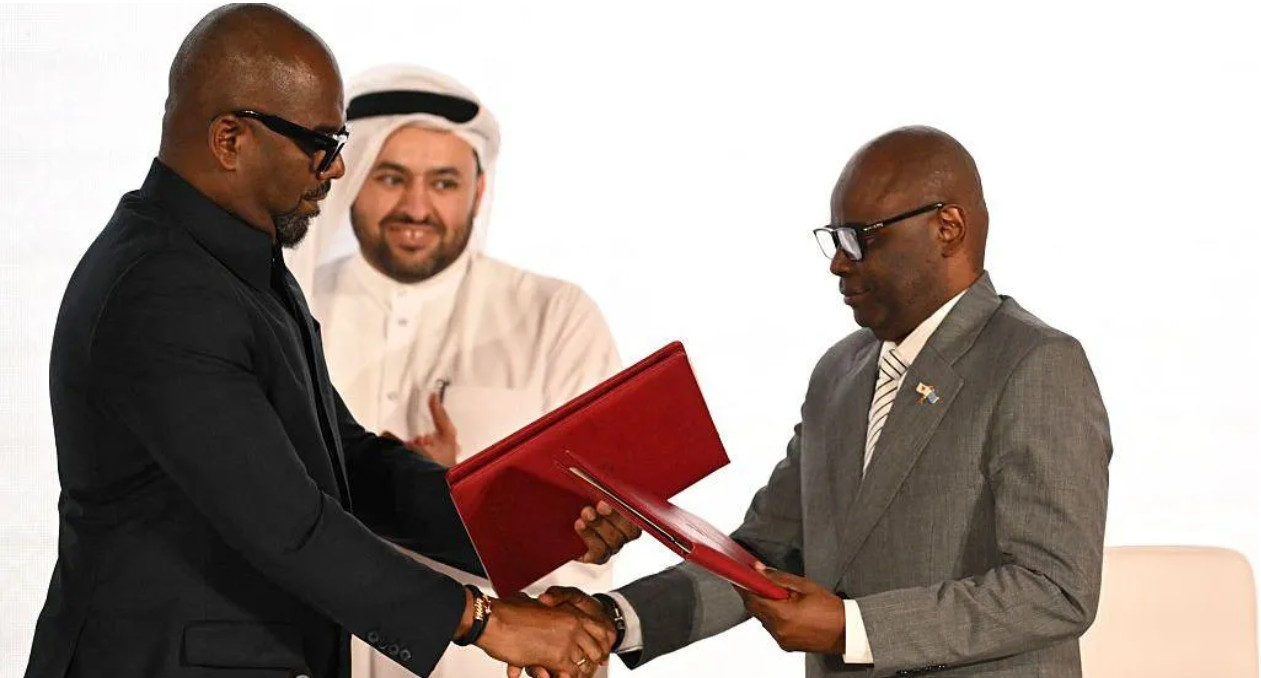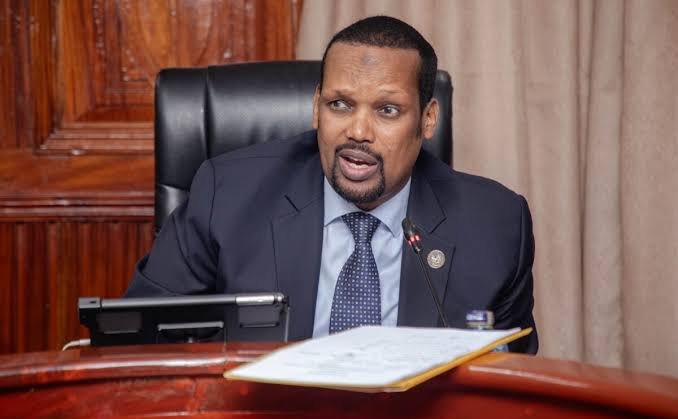
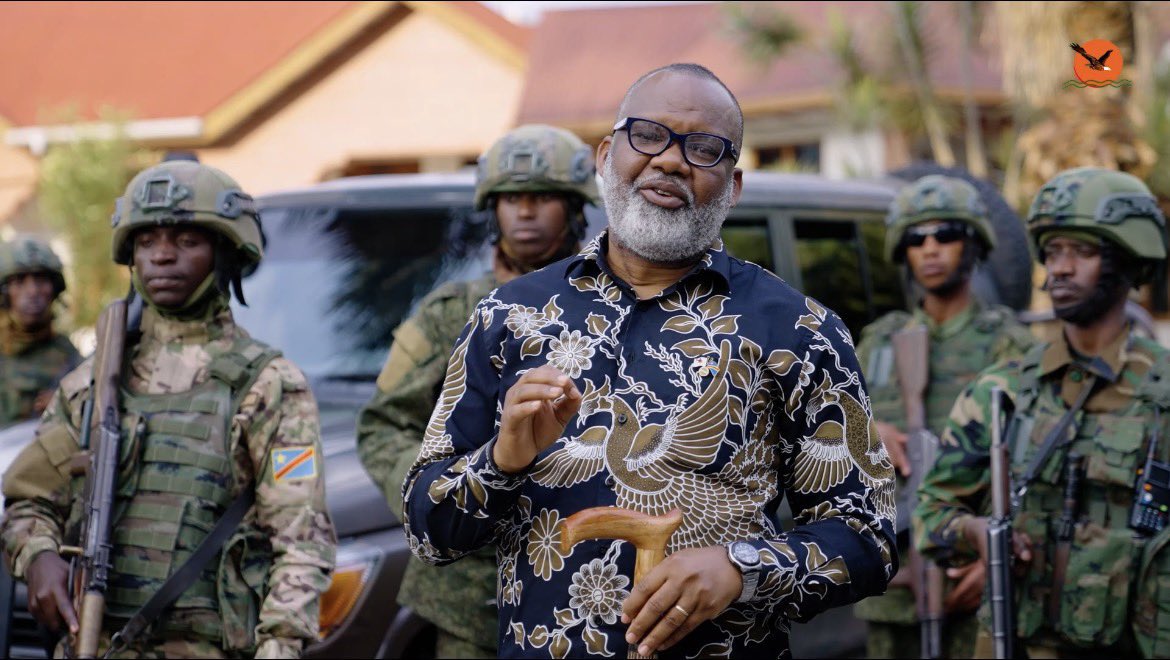
 Corneille Nangaa, political leader of the Congo River Alliance (AFC), a politico-military coalition allied with the M23./HANDOUT
The March 23 Movement (M23) rebel group announced Monday its decision to "unilaterally withdraw its forces" from the eastern Democratic Republic of the Congo (DRC) city of Uvira, which it claimed to have seized the previous week, describing the move as a confidence-building measure aimed at supporting the ongoing peace process.
In a statement released on Monday, Corneille Nangaa, political leader of the Congo River Alliance (AFC), a politico-military coalition allied with the M23, said that the decision followed recent progress under the Doha peace process, including the signing of the Doha Framework Peace Agreement in November.
The M23 stated its intention to initiate a "unilateral trust-building measure" and to "give the Doha peace process the maximum chance to succeed" in delivering a lasting solution to the conflict.
Since March this year, several rounds of negotiations between the M23 and the Congolese government have been held under Qatari mediation, known as the Doha peace process.
This led to the signing of a Declaration of Principles in July, which set a target date of Aug. 18 for concluding a peace agreement, a deadline that has since passed.
According to the statement, the pullout from Uvira was carried out at the request of the United States mediation. The movement added that it took the initiative "despite continued provocations and abuses" by the Armed Forces of the DRC (FARDC) and their allies.
The Congolese government has not yet reacted to the announcement.
Uvira, a strategic city in eastern Democratic Republic of the Congo (DRC) located near the Burundian border on the shores of Lake Tanganyika, had served as the provisional administrative center for South Kivu after the provincial capital, Bukavu, fell to the M23 in February.
After days of intense fighting, the once temporary administrative center of South Kivu has begun a fragile recovery, with uncertainty over whether calm will last.
Analysts and local sources have warned that the loss of Uvira could, over time, open a corridor toward southeastern DRC, including Haut-Katanga, a key economic region. Fighting has also been reported further south in the Baraka and Fizi territories of South Kivu.
In recent weeks, fighting between the Congolese military and the M23 has spread across several territories in South Kivu, displacing over 500,000 civilians, including over 100,000 children, and disrupting economic activity, according to the United Nations Children's Fund.
Briefing the United Nations Security Council on Friday, Jean-Pierre Lacroix, UN under-secretary-general for peace operations, warned that the DRC continued to face a deep security and humanitarian crisis, with civilians bearing the brunt of the violence.
Lacroix said the latest M23 offensive in South Kivu had "revived the specter of a regional conflagration with incalculable consequences," and warned of a "serious risk" of further fragmentation as the conflict becomes increasingly regionalized.