According to the board, a number of betting firms are diverting Corporate Social Responsibility (CRS) funds into financing politicians in the country, with millions already channeled into the current campaigns ahead of the August polls.
The majority of these firms are not registered in Kenya yet conduct activities within the country, without paying taxes to Kenya Revenue Authority.
The board has since asked all companies operating in Kenya to submit Corporate Social Responsibility activities reports for 2021-2022 for scrutiny.
“The board wishes to inform you to submit a report on all CSR activities conducted during the licensing period. This should detail the name of the activities; amounts spent and evidence of the same should be attached to the report,” a letter dated May 17, signed by director Peter Mbugi, reads in part.
Some of the firms on the board’s radar include 888.com, Bet9ja, Stake.com, Marathonbet, Sportsbet.io and vbet.
Efforts to reach most of the firms mentioned proved futile as most of them have hidden contact details on their websites while others have unreachable foreign mobile numbers.
Betting laws expect boards of gaming firms in the country to devote a specific percentage of revenue to community projects. The Act also requires that 25 per cent of proceeds from public lotteries fund intended CSR activities.
The number of betting firms licensed to operate in Kenya is currently at about 100, even as the government continues to monitor the sector closely.
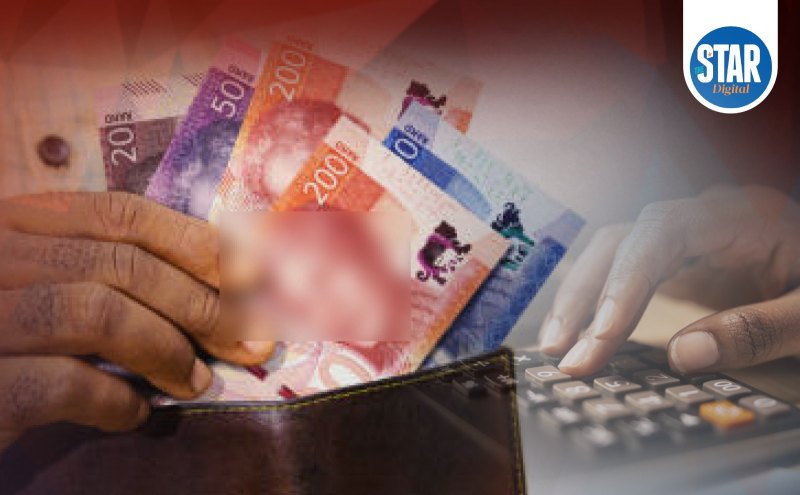
Last year, the government reintroduced excise duty on betting stakes to 7.5 per cent, which means the government first takes Sh7.50 for every Sh100 a gambler places as a bet irrespective of winnings.
It also takes 20 per cent on winnings and levies; additional taxes on betting firms as it tries to discourage gambling which has been on the rise in recent years.
Betting firms are not required to make their accounts public because they are private entities.
They are however reported to be making in excess of Sh200 billion annually.
In 2019, Interior CS Fred Matiang’i directed betting firms to seek fresh renewal of licenses upon proving tax compliance.
They also had to show that they were sufficiently liquid and had performed well financially for the past four years.
The government has claimed that betting companies have been earning Sh200 billion per year but this appears to be the total amount staked each year, not what is actually retained by the companies.
A lot of this is recycled money where punters bet, win, and bet again. The same money is being recounted over and over. It is not actually revenue for the betting companies.
In 2019, the Interior Ministry sought to tighten betting laws and put in place punitive measures to discourage the activity.
Matiang’i sought to give the gaming authority and the police the power to conduct security checks, vetting and due diligence on gaming, a move that was rejected by members of Parliament.
The CS had further proposed stringent criteria for vetting applications including conducting background checks on companies and individuals seeking to engage in the gaming business.
The ministry wanted applicants to obtain certificates of good conduct, be 50 per cent owned by Kenyans and bank their proceeds in local financial institutions.
Matiang’i sought to deny gaming licenses to those with a history of fraud, money laundering, dishonesty, violence, drug abuse and trafficking and organised crime.
People with integrity questions were also to be locked out with the board required to check if they have a history of corrupt activities.
Matiang’i further wanted the Gaming Bill, 2019 amended to give the CS powers to prescribe application fees for licences.
“These amendments are intended to enhance the operational capability of the gaming authority and to ensure it operates seamlessly in a legal regime,” he had said.