

Infrastructural inaccessibility is preventing persons leaving with disability from adhering to the Covid-19 precautionary measures, a new study reveals.
According to the research by Ulemavu Research Institute dubbed ‘Disability and Covid-19’, some disabled people find wash sinks too high among other conditions arising from their impairment.
“Sometimes it is hectic for a one-handed person like me when I need to press a button inwards continually for water to come out,” one respondent said.
This is despite data showing that the majority of persons with disabilities have sufficient knowledge on the means of the virus transmission (62 per cent), its symptoms (59 per cent), preventive measures 61 per cent) and appropriate actions to take when infected or in contact with those infected (51 per cent).
The study shows that the majority of persons living with disabilities relied on television (72.45 per cent) and social media (65.31 per cent) for information on Covid-19.
“We have the knowledge but the infrastructure is a great challenge to those with a physical disability and the blind. I am blind and because of our infrastructure, I have to depend on a guide to walk around, something I would not do if things were better” David (not his real name) a blind man says.
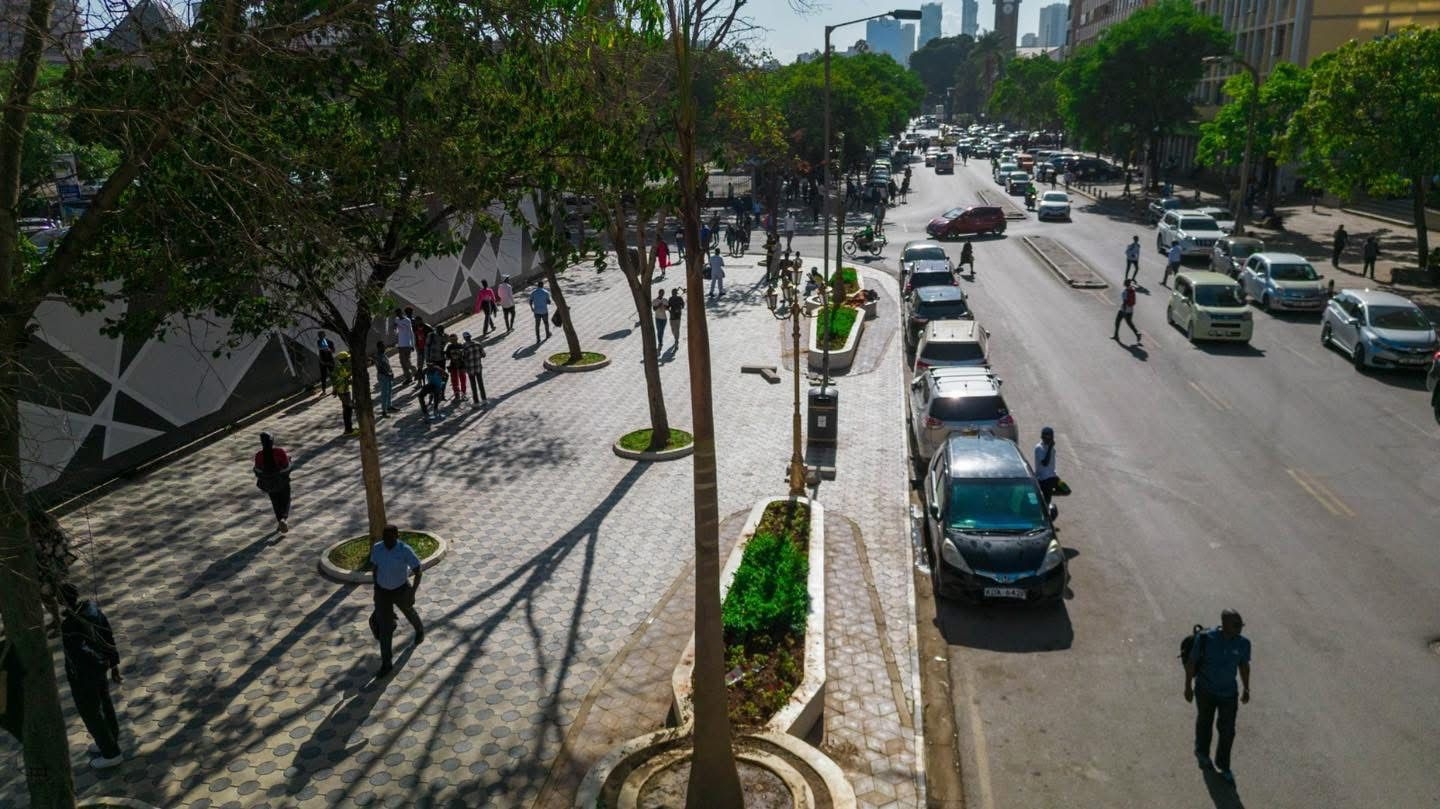
He adds that the guidelines on keeping social distance and avoiding touching surfaces are impossible in a country where infrastructure barely favors the disabled.
“Most disabled people live in slums and rural areas which are mostly not developed. There are no good roads, no rumps and some people lack wheelchairs. Even when they have wheelchairs, the roads are not friendly,” he says.
For David, the current structures are a barrier for persons living with disabilities in the fight against the virus leaving them feeling segregated.
This is in addition to other imposed guidelines that have worsened the movement restrictions among people with disabilities increasing their isolation and dependency on friends and families.
The study has suggested that containment measures should be made disability-friendly.
This is by addressing the accessibility challenges, as well as conducting awareness-creation among persons with disabilities to ensure the measures are well understood and observable by all members of the society.
“People with disabilities deserve better attention and treatment in the country. They are already an isolated group. Covid-19 is an added pain to the injury,” it says.