But beneath
the fierce contest for the next election, another political battle is quietly
taking shape, one that could ultimately prove more consequential.
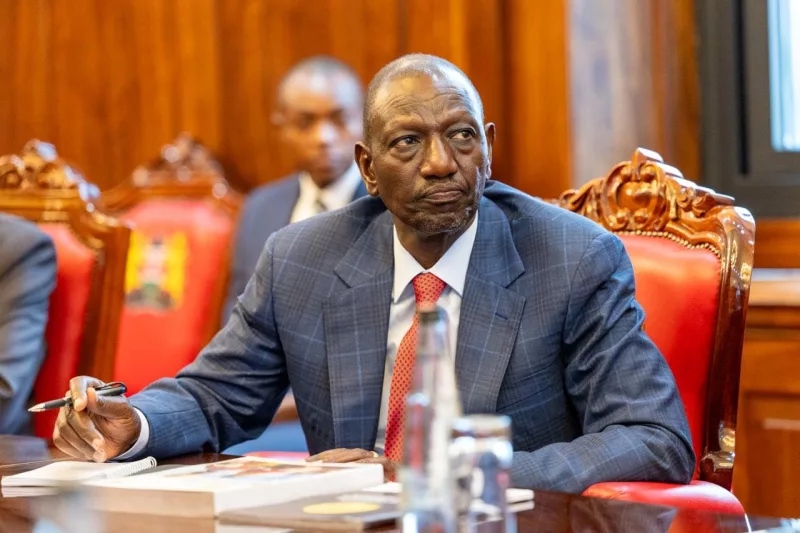
It is the
race to succeed Ruto after 2032.
Across both
Kenya Kwanza and the emerging United Opposition, political calculations are
increasingly being shaped not only by who wins in 2027 but also by who will
become President in 2032.
Kenya is,
in effect, witnessing two campaigns running in parallel: the public fight for
State House in 2027 and the quieter contest to occupy the post-Ruto political
space.
Inside
Kenya Kwanza, succession remains an uncomfortable subject. Officially, the
coalition insists its sole focus is securing Ruto's re-election. Unofficially,
however, the jockeying has already begun.
Deputy
President Kithure Kindiki has emerged as the most prominent figure in those
early calculations.
Since
replacing Gachagua, Kindiki has embarked on an intensive nationwide
mobilisation campaign through economic empowerment forums, development tours
and grassroots engagements, while paying particular attention to Mt Kenya, the
region that remains central to Kenya Kwanza's electoral fortunes.
Public
Service CS Geoffrey Ruku has gone a step further, openly declaring that the
political plan is for Kindiki to succeed Ruto in 2032.
Kindiki has
repeatedly dismissed succession talk, insisting his only assignment is helping
Ruto win another term.
"Whoever
has whatever interest or ambitions must know that before 2032, there is
2027," he recently said.
Yet allies
privately acknowledge that politics rarely follows official timelines. For
serious contenders, building networks, consolidating regional support and
cultivating a national profile cannot wait until after an election.
Kindiki is
not alone. Treasury CS John Mbadi has publicly declared his intention to seek
the presidency after Ruto's expected second term, saying he is learning
leadership from both Raila Odinga and Ruto.
Prime CS
Musalia Mudavadi and National Assembly Speaker Moses Wetang'ula are also
consolidating influence in Western Kenya after helping Ruto break ODM's
dominance in the region.
Wetang'ula
has openly expressed presidential ambitions, while Mudavadi's name consistently
surfaces whenever succession discussions arise.
Even
younger leaders are increasingly entering the conversation. Political
communication scholar Prof Charles Nyambuga argues that figures such as Kiharu
MP Ndindi Nyoro are already positioning themselves for the post-Ruto era. He
also points to Nairobi Senator Edwin Sifuna and Gachagua as politicians whose
current moves cannot be understood solely through the lens of 2027.
The growing
strategic importance of Western Kenya further complicates the equation. With
its expanding voter population, the region is increasingly viewed as a decisive
bloc capable of determining future presidential contests. That partly explains
the intense political activity by both government and opposition leaders
seeking to cement influence there.
While Kenya
Kwanza's succession politics remain largely subdued, the opposition faces a
more complex challenge.
Unlike the
ruling coalition, it must simultaneously agree on a 2027 presidential candidate
while managing competing ambitions for the post-2032 political order.
For Kalonzo
and Gachagua, defeating Ruto may prove easier than keeping a diverse coalition
intact long enough to do so.
No single
opposition figure currently commands sufficient political strength to challenge
Ruto alone, making unity both indispensable and fragile.
Those
tensions have already surfaced. Embakasi North MP James Gakuya recently floated
the idea of a transitional arrangement focused first on removing Ruto before
settling the succession question.
Age also
shapes the calculations. Should Kalonzo win in 2027, he would be 73 by 2032,
inevitably shifting attention to a younger generation waiting in the wings.
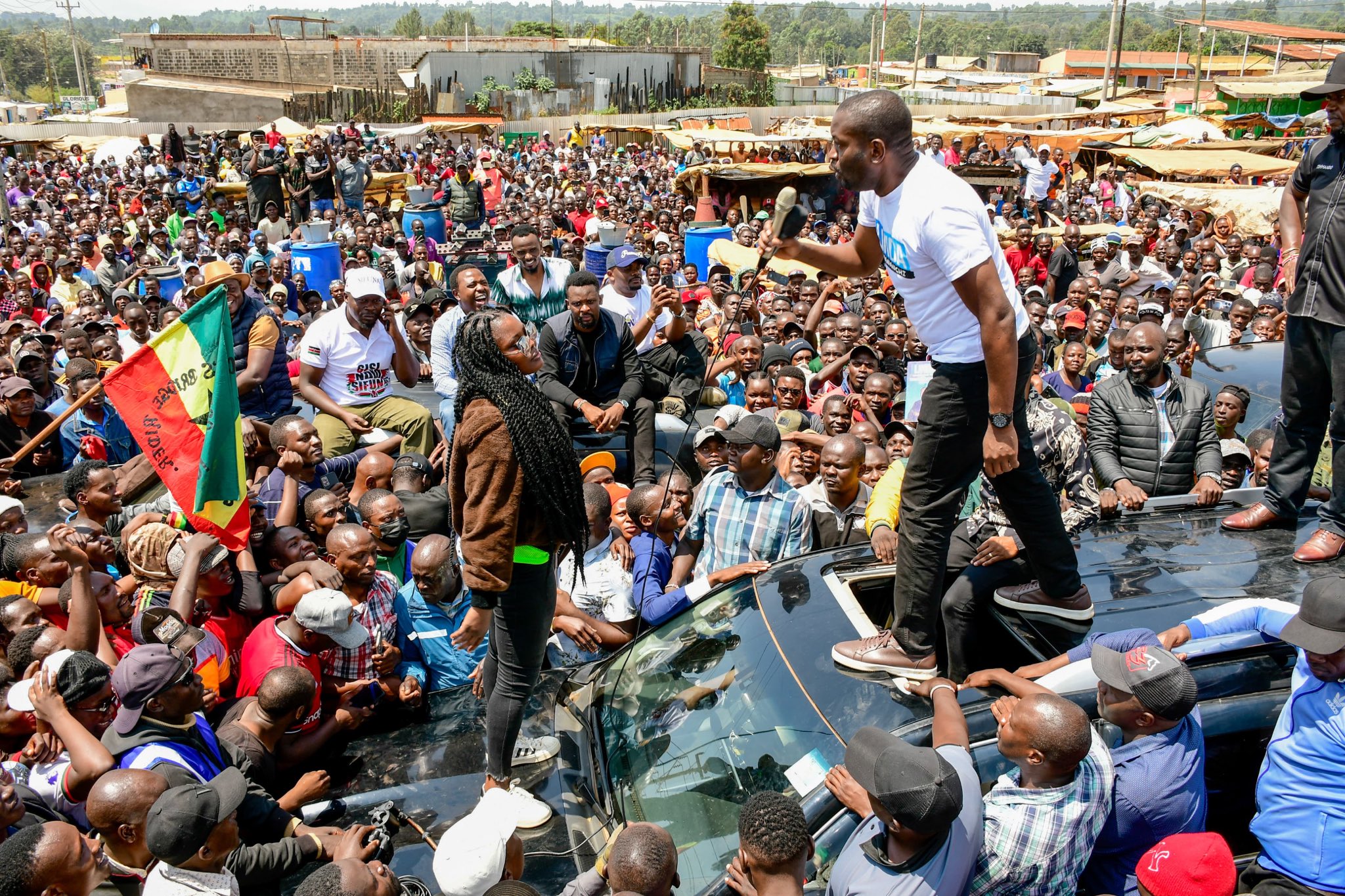
That has
elevated leaders such as Sifuna, whose growing national profile and
increasingly central role in ODM have strengthened speculation that he could
emerge as both a key player in 2027 and a long-term successor to Raila Odinga's
political base. Sources familiar with opposition coalition talks say shifting
political dynamics, including the growing influence of the Linda Mwananchi
movement, have significantly enhanced Sifuna's standing.
Former
Interior CS Fred Matiang'i, once viewed as a front-runner, is also
recalibrating amid changing opposition dynamics, while Trans Nzoia Governor
George Natembeya's efforts to build a new political movement have fuelled
speculation that Western leaders are positioning themselves for the next phase
of national politics.
Political
analyst Herman Manyora argues that such manoeuvring is neither unusual nor
premature.
"Succession
politics begin the moment a president starts the final stretch of his political
journey," he says. "The question is not whether the conversations are
happening but where they are happening and who is involved."
Kenya's
political history supports that view. Daniel arap Moi's succession battle began
years before he left office in 2002. Mwai Kibaki's second term was dominated by
debate over who would succeed him. During Uhuru Kenyatta's final years,
political attention steadily shifted to the contest between Raila Odinga and
Ruto long before the 2022 election.
The same
pattern is now unfolding under Ruto.
Officially,
every political camp insists that 2027 remains the immediate priority. In
reality, however, alliances are already being forged, regional bases expanded
and future inheritances quietly negotiated.
The loudest
political battle may be about who occupies State House in 2027. The more
enduring one could be over who inherits Kenya's political leadership after Ruto
leaves it.