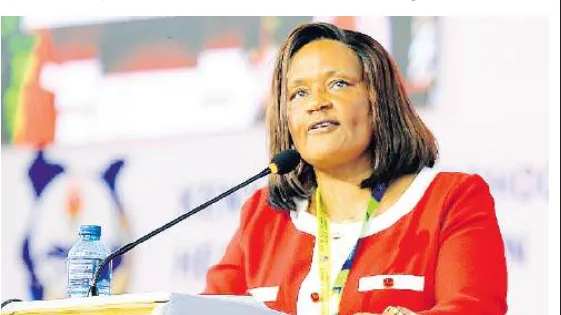
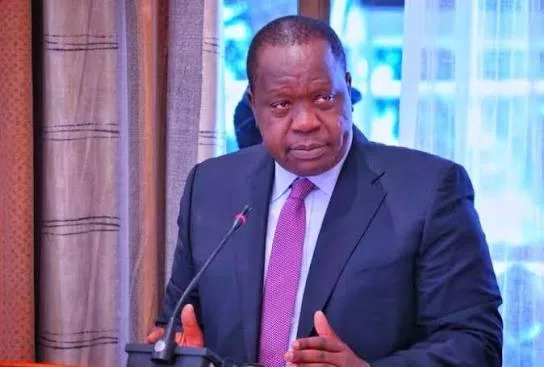
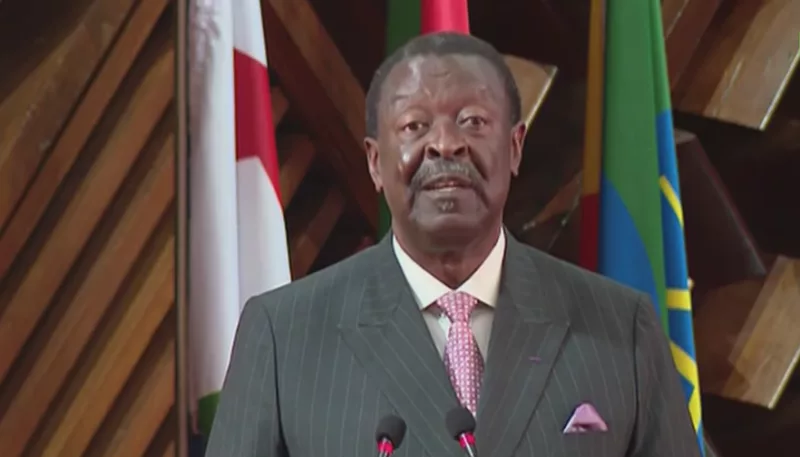
 Prime Cabinet Secretary Musalia Mudavadi speaking during a conference of Catholic bishops at the Catholic University of Eastern Africa (CUEA) in Nairobi /SCREENGRAB
Prime Cabinet Secretary and Cabinet Secretary for Foreign and Diaspora Affairs Musalia Mudavadi has cautioned Kenyan youth that irresponsible use of social media is increasingly denying them opportunities to study, work and travel abroad.
Speaking during a conference of Catholic bishops at the Catholic University of Eastern Africa (CUEA) in Nairobi, Mudavadi urged young people to exercise restraint online, saying their digital footprint is becoming a key consideration in international vetting processes.
"I urge you to exercise personal responsibility online, ensuring your social media activities safeguard rather than jeopardise opportunities such as scholarships, visas and employment," Mudavadi said.
The conference is expected to bring together more than 10,000 young people from across East Africa.
Drawing from his experience as Foreign and Diaspora Affairs Cabinet Secretary, Mudavadi said Kenyan missions abroad are increasingly encountering cases where young people lose opportunities because of content posted on their social media accounts.
"As Cabinet Secretary for Foreign and Diaspora Affairs, we are increasingly seeing young people being denied the opportunity to further their ambitions and desires because somewhere along the line, their social media platforms have undesirable content," he said.
"I speak as the Cabinet Secretary for Foreign and Diaspora Affairs: please be careful. You will lose your scholarship, you will lose opportunities elsewhere."
At the same time, Mudavadi encouraged the youth to embrace digital technology positively and position themselves at the forefront of innovation, particularly in artificial intelligence.
"Embrace digital technology and be our champions in AI innovation," he said.
To illustrate the growing consequences of online activity,
Mudavadi cited the case of a young African football referee who, he said, lost
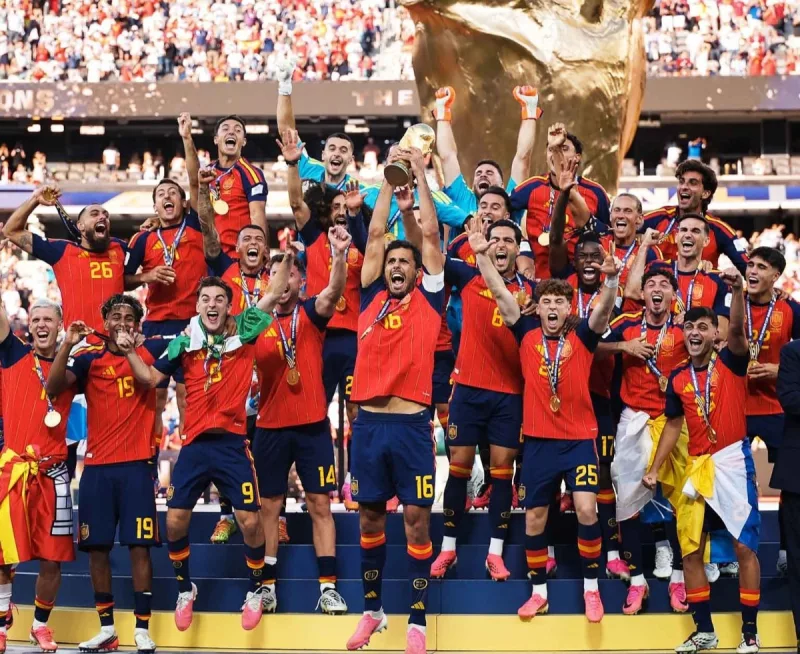
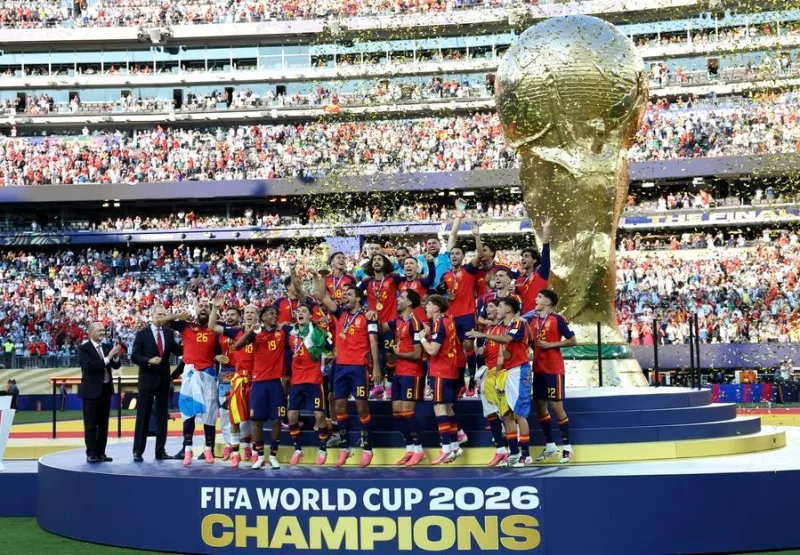
an opportunity to officiate at the 2026 FIFA World Cup after concerns emerged
during the vetting process.
"So it is real," he said.
His remarks come amid reports involving Somali referee Omar Abdulkadir Artan, who was denied entry into the United States despite holding a valid visa and the necessary travel documents.
According to reports, US Customs and Border Protection officials deemed him inadmissible because of unresolved vetting concerns, forcing him to return to Istanbul before the tournament.
FIFA subsequently said immigration and visa decisions fall under the jurisdiction of the host government rather than the tournament organisers.
The governing body nevertheless committed to paying Artan his full tournament remuneration, while UEFA later appointed him to officiate the UEFA Super Cup.
Mudavadi's warning reflects a broader trend in global immigration systems, where several countries increasingly consider applicants' online presence as part of visa and security screening.
Immigration authorities may review publicly available social media posts, comments, photographs and online associations to verify an applicant's identity, assess the consistency of information provided in visa applications and identify potential security concerns.
The United States, for example, requires many visa applicants to disclose social media identifiers used over the previous five years as part of the application process.
Other countries, including the United Kingdom, Canada and Australia, also reserve the right to examine publicly available online information where relevant to immigration, security or visa adjudication.