The shortages affected vaccines that protect babies from
illnesses that can quickly become life-threatening, including rotavirus, which
causes severe diarrhoea and vomiting, measles and whooping cough.
New global data from the World Health Organization (WHO)
and Unicef shows Kenya’s childhood vaccination coverage has declined since
2021, after reaching its highest levels during that period.
The rotavirus vaccine recorded the sharpest drop.
Coverage for the final dose fell from 95 per cent in 2021 to just 29 per cent
in 2022.
The report attributes the dramatic decline to prolonged
vaccine shortages, noting, “Programme reports 9.8 months vaccine stockout at
national and subnational levels.”
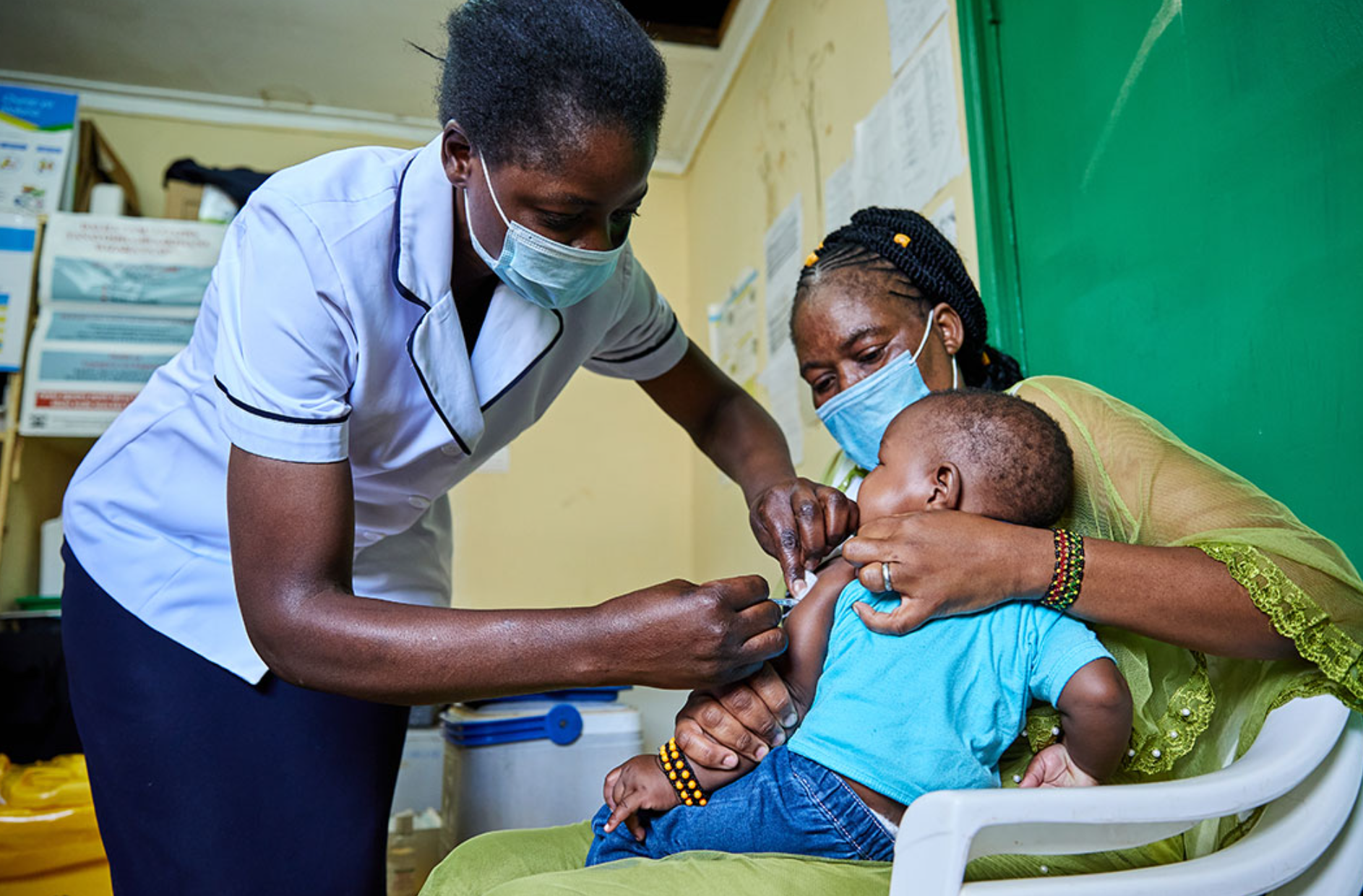
For infants, the consequences can be severe. Rotavirus
can cause dangerous dehydration through diarrhoea and vomiting, and without
timely treatment, it can lead to death.
The shortage has continued to affect vaccination
services.
In March, the Ministry of Health warned that Kenya was nearly out of
Rotavac, the vaccine used to protect babies against rotavirus.
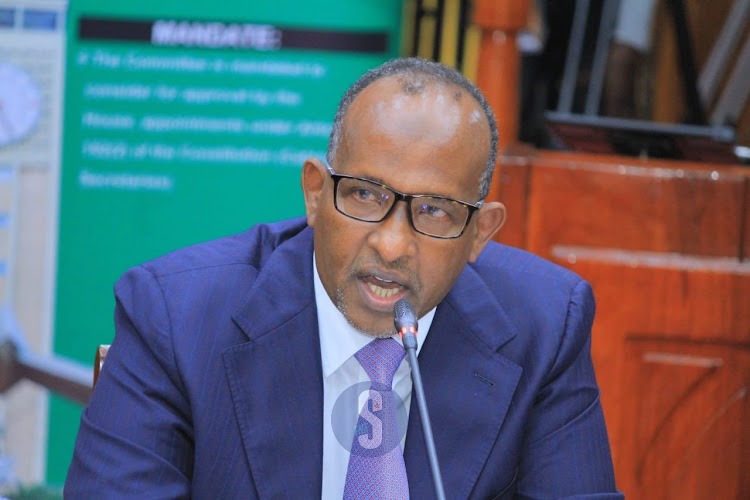
Health CS Aden Duale said the shortage
was caused by delays at the factory that manufactures the vaccine.
“The Ministry of Health is closely monitoring stock
levels and coordinating with partners to restore normal supply as soon as
possible,” he said.
At the time, Kenya had only about 4,000 doses remaining
countrywide, enough for less than one month.
The situation was also critical in June 2025, when the
Ministry of Health reported that 12 of Kenya’s 47 counties had completely run
out of vaccines.
Stocks of the BCG vaccine, which protects children
against tuberculosis and the polio vaccine had fallen to only two weeks of
supply.
Medical Services PS Ouma Oluga said the
government had introduced measures to ensure children do not miss vaccinations.
“We have put in place the Zero-Dose Catch-Up Mechanism
under the Bottom-Up Economic Transformation Agenda (BETA) to ensure no
child misses a single dose of any vaccine,” he said.
The WHO’s Immunisation Agenda 2030 targets at least 90
per cent coverage for all basic childhood vaccines nationally.
However, the latest WHO and Unicef report shows Kenya is
falling short in several areas.
Measles vaccine coverage dropped from 92 per cent in
2019 to 80 per cent in 2025, while coverage for vaccines protecting against
diphtheria, tetanus and whooping cough has also declined.
The government says it is working to prevent future
shortages. The National Treasury has more than doubled the vaccine budget to
Sh4.6 billion for the financial year starting in July.
Gavi, which supports vaccine access in low-income
countries, said many countries recorded improvements in vaccination coverage in
2025.
Kenya’s latest figures show a mixed picture. BCG vaccine
coverage improved slightly to 88 per cent from 87 per cent the previous year,
while second-dose measles vaccination increased to 81 per cent from 76 per cent
in 2024.
However, coverage for several other vaccines, including
polio, whooping cough, hepatitis B and rotavirus, recorded slight declines.
WHO and Unicef cautioned the figures should not be
directly compared with previous reports because vaccination estimates are
revised annually as new data becomes available.
The organisations said results from an ongoing national health survey in
Kenya could further adjust the figures when the next report is released in July
2027.
Instant analysis
Kenya’s declining childhood vaccination coverage presents a serious public
health concern because diseases that vaccines prevent can spread quickly and
become fatal, especially among infants. The repeated shortages point to
weaknesses in vaccine supply chains, planning and distribution systems. While
increased government funding and catch-up programmes may help restore coverage,
sustained availability of vaccines remains critical to protecting children. The
mixed performance across different vaccines shows progress is possible but
fragile. Strengthening procurement systems, improving county-level stock
monitoring and ensuring parents have confidence in immunisation programmes will
be essential to prevent avoidable illnesses and protect future generations.

 Vaccination