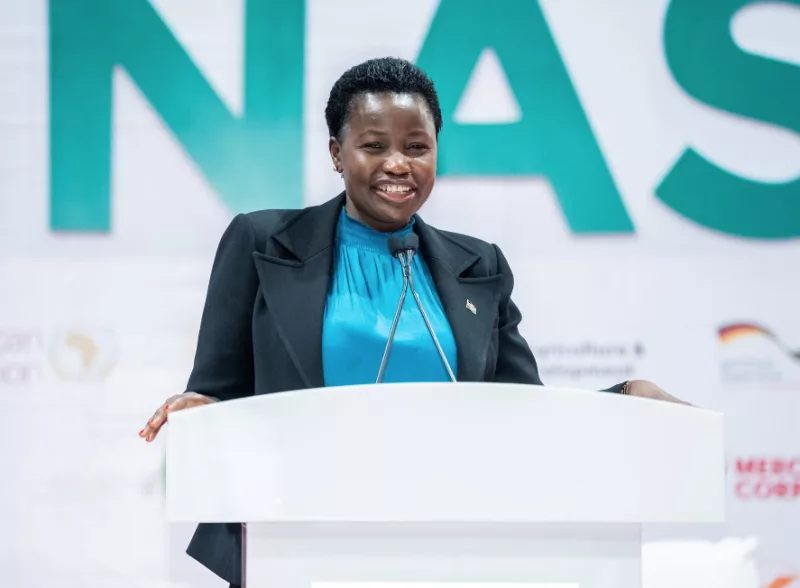
Principal Secretary for Micro, Small and Medium Enterprises (MSME) Development Susan Mang’eni has explained why some beneficiaries of the National Youth Opportunities Towards Advancement (NYOTA) Programme received Sh19,000 instead of the expected Sh22,000 during the second phase of fund disbursements.
Her clarification comes after several beneficiaries questioned why they received lower amounts in the latest tranche despite expecting the full allocation.
Speaking during an interview with NTV on Saturday, Mang’eni said the difference was linked to the programme's mandatory savings component, which is designed to help young entrepreneurs build financial resilience and qualify for additional grants.
"The reason why some of them received Sh19,000 instead of Sh22,000 is because they withdrew all their savings and the project is not yet completed," she said.
Mang’eni explained that the government sets aside part of the money disbursed to beneficiaries into savings accounts under the NYOTA Programme.
The savings are split into short-term and long-term accounts to encourage participants to develop a culture of saving while growing their businesses.
"The project seeks to cultivate a saving culture among our young people," she said.
According to the PS, beneficiaries who keep their savings intact until the end of the programme become eligible for a matching grant offered through a partnership with the National Social Security Fund's (NSSF) Haba Haba savings platform.
"The project has provided a matching grant. If you save, after the end of the project you also receive a matching grant with a ratio of two to one," Mang’eni explained.
She noted, however, that some beneficiaries opted to withdraw their savings before completing the programme, making them ineligible for the full benefits associated with the initiative.
"What will you do with this matching grant that is supposed to help de-risk your business if you have already withdrawn your savings?" she posed.
Mang’eni said the savings requirement was intentionally incorporated into the programme to cushion young entrepreneurs against unforeseen business challenges while encouraging long-term financial discipline.
The NYOTA Programme is a five-year youth economic
empowerment initiative implemented by the Government of Kenya with support from
the World Bank.
It targets vulnerable and unemployed youth aged between 18 and 29 years, and up to 35 years for persons with disabilities, with a Form Four level of education or below.
Besides providing startup capital, the programme equips beneficiaries with business skills training and structured mentorship to help them establish or expand small enterprises.
The initiative is anchored on three key pillars—skills development, financing and mentorship—with the government hoping it will boost youth entrepreneurship, create jobs and improve the sustainability of small businesses across the country.