 The judiciary/FILE
The Copyright Tribunal has dismissed a preliminary objection filed by the Kenya Revenue Authority (KRA), clearing the way for the hearing of a copyright infringement claim filed against the tax authority over its Electronic Rental Income Tax System (E-RITS).
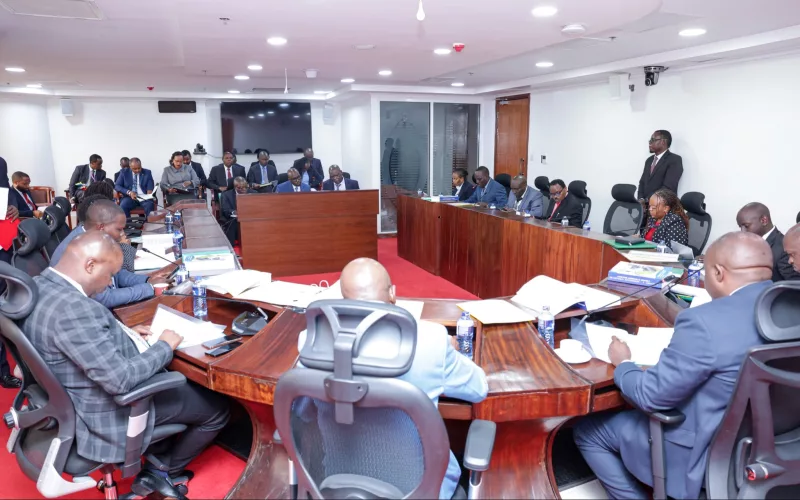
In a virtual ruling delivered on Friday, Tribunal Chair Liz Lenjo and other panel members held that the tribunal has jurisdiction to hear the dispute and dismissed KRA's objections that the matter was sub judice and time-barred.
The case was filed by Lawrence Bosire Miruka against KRA, the Kenya Copyright Board (KECOBO), the Commissioner General of KRA and the Registrar of Copyrights.
Miruka claims ownership of a computer program known as e-RITS, which he describes as a geo-mapping and rental revenue management system.
He alleges that KRA unlawfully used his copyrighted work in developing E-RITS, a platform launched by the tax authority in April 2025 to enhance the collection of rental income tax.
"The Respondents continue to operate, maintain and develop the Electronic Rental Income Tax System (eRITS), which the Complainant contends substantially reproduces, derives from and incorporates protected elements of his copyrighted works," his filings state.
Miruka is seeking various remedies, including royalties for the alleged continued use of the software.
KRA had asked the tribunal to strike out the claim, arguing that it lacked jurisdiction to hear the matter.
The authority also argued that the dispute was sub judice, meaning it was already pending before another court, and that the claim had been filed outside the statutory timelines.
However, the tribunal dismissed all three objections.
On jurisdiction, the panel said jurisdiction is fundamental to the exercise of its mandate and must be determined before substantive proceedings can begin.
It found that the Copyright Act gives the tribunal authority to determine copyright disputes, including questions relating to compensation.
The tribunal also noted that the Copyright Act recognises computer programs as literary works capable of copyright protection and said Miruka had produced copyright registration certificates.
"He has additionally presented certificates of copyright registration issued by KECOBO in recognition of the copyright reports thereat," the panel said.
The tribunal held that the claim falls within its legal mandate.
On the argument that the matter was sub judice, the tribunal noted that KRA had cited several cases that it said involved the same parties.
However, it found that determining whether those cases involved the same issues would require examination of evidence, making the issue unsuitable for determination through a preliminary objection.
"The tribunal would need to review whether the matters are indeed the same and whether the parties are litigating under the same title," the panel observed.
The tribunal also dismissed KRA's argument that the claim was time-barred under Section 20A of the Kenya Revenue Authority Act.
It held that the provision applies to disputes arising from KRA's tax administration functions, such as tax assessment and revenue collection, and not to claims alleging copyright infringement, whose timelines are governed by the Copyright Act.
Consequently, the tribunal found that KRA had failed to establish the grounds of its preliminary objection and dismissed the notice dated June 11, 2026.