African countries are pushing for stronger domestic investment, policy reforms and greater accountability in a renewed effort to reduce preventable maternal, newborn and child deaths, amid growing concern over declining donor funding and mounting pressure on the continent's health systems.
Health experts said African governments can no longer rely heavily on external financing to sustain maternal and child health programmes, warning that disease outbreaks, climate-related shocks and dependence on imported medical commodities continue to expose weaknesses in national health systems.
The renewed push emerged on Wednesday as representatives from 23 Eastern and Southern African countries gathered in Nairobi for a three-day regional meeting to validate findings from a continent-wide assessment of reproductive, maternal, newborn, child and adolescent health policies, financing frameworks and implementation strategies.
The meeting is expected to identify policy and financing gaps, review country progress and agree on recommendations that will guide future investments in maternal and child health across the region.
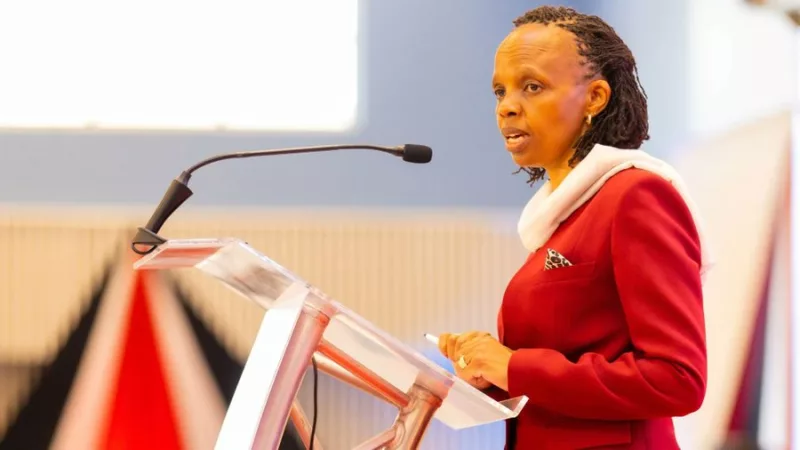
Speaking during the opening session on behalf of Africa Centres for Disease Control and Prevention (Africa CDC) Director General Jean Kaseya, Lul Pout Riek said preventing maternal and child deaths should remain central to Africa's health security agenda.
He said improving survival rates among mothers and children requires more than expanding healthcare services, noting that stronger political leadership, increased domestic financing and sustained commitment are equally critical.
"Preventable maternal and child deaths are not only a health challenge. They are also a governance, financing and development challenge," he said.
Representing Tanzanian President Samia Suluhu Hassan in her capacity as the African Union Champion for Maternal, Newborn and Child Health, presidential adviser Ummy Mwalimu said African countries already know the interventions that work and should now focus on implementing them consistently.
She said stronger accountability mechanisms and predictable domestic financing would help accelerate progress towards ending preventable maternal and newborn deaths while improving childhood immunisation across the continent.
The workshop follows a continent-wide rapid assessment examining reproductive, maternal, newborn, child and adolescent health policies, financing, governance and service delivery across African Union member states.
According to Africa CDC, 50 of the African Union's 55 member states, representing 91 per cent of the continent, have completed the assessment, with efforts ongoing to ensure the remaining five countries also participate so that the findings fully reflect Africa's health landscape.
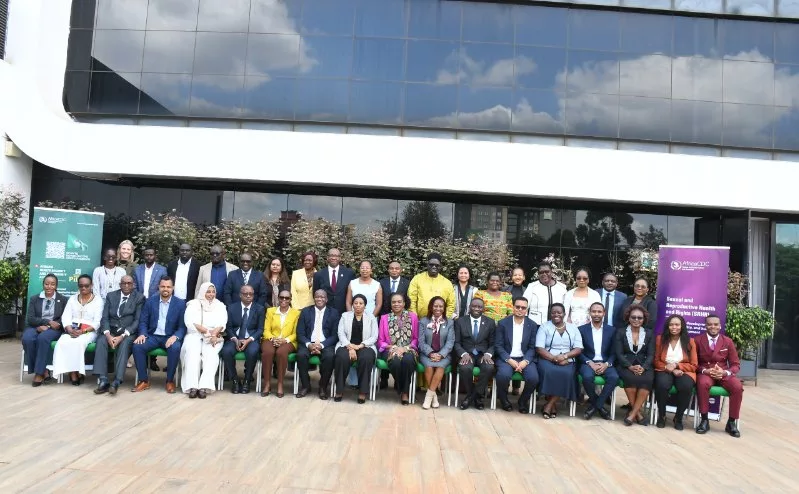 Representatives from 23 Eastern and Southern African countries gathered in Nairobi for a three-day regional meeting to validate findings from a continent-wide assessment of reproductive, maternal, newborn, child and adolescent health policies, financing frameworks and implementation strategies/HANDOUT
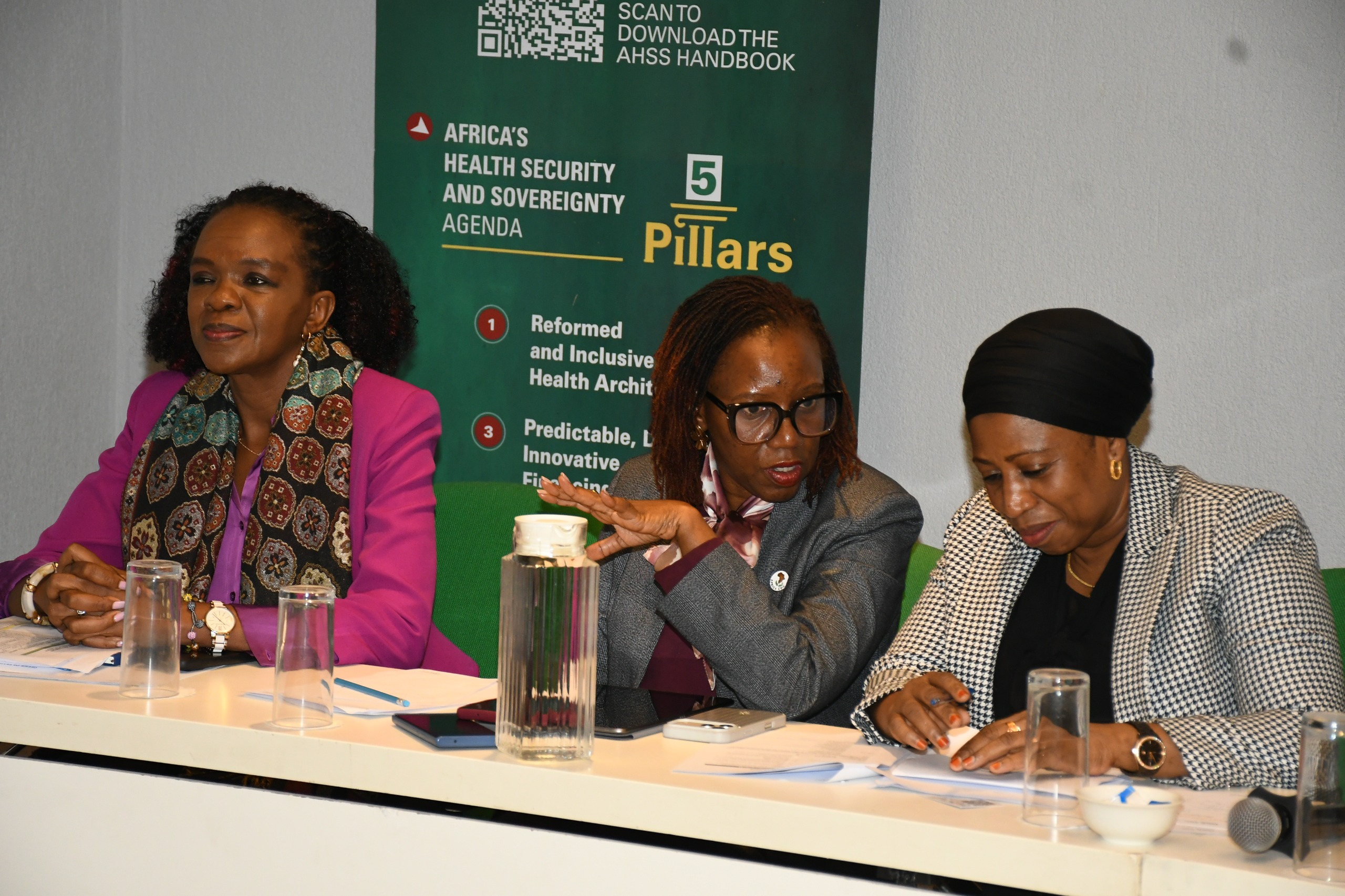
Head of the Reproductive, Maternal, Newborn, Child and Adolescent Health Division at Africa CDC, Diana Nambatya Nsubuga, said the assessment comes at a time when African countries are grappling with shrinking external health assistance, frequent disease outbreaks and increasing climate-related emergencies.
She said the changing global financing environment makes it necessary for countries to strengthen primary healthcare, invest in digital health systems, expand local manufacturing of health products and increase domestic financing for essential health services.
"The transformation we seek is a shift from dependency to ownership, from vulnerability to resilience, and from commitments to measurable results," she said.
Kenya, which is hosting the workshop, reaffirmed its commitment to improving maternal, newborn, child and adolescent health through investments in primary healthcare, emergency obstetric and newborn care, community health systems, digital health and stronger accountability mechanisms.
Officials from the African Union Commission, the World Health Organization, UNICEF and UNFPA also participated in the discussions, describing the assessment as the first comprehensive review of maternal and child health policies, financing and governance across the continent.
The findings will inform the first Continental Report on the Policy, Financing and System Drivers of Maternal, Newborn and Child Mortality in Africa, which is expected to be presented during the United Nations General Assembly in September.
African leaders are expected to use the report to strengthen political commitment and increase investment in programmes aimed at reducing preventable maternal, newborn and child deaths.
During the Nairobi meeting, delegates will also work on a continental scorecard designed to help governments monitor progress, identify implementation bottlenecks and strengthen accountability in reproductive, maternal, newborn, child and adolescent health programmes across Africa.