As a Kenyan journalist navigating the bustling streets of Nairobi, the daily grind of honking traffic and matatu chaos is a familiar rhythm.
But here in Guiyang, Guizhou province, I have stepped into a different world—one where the future of transport is not just imagined, but already on the road.
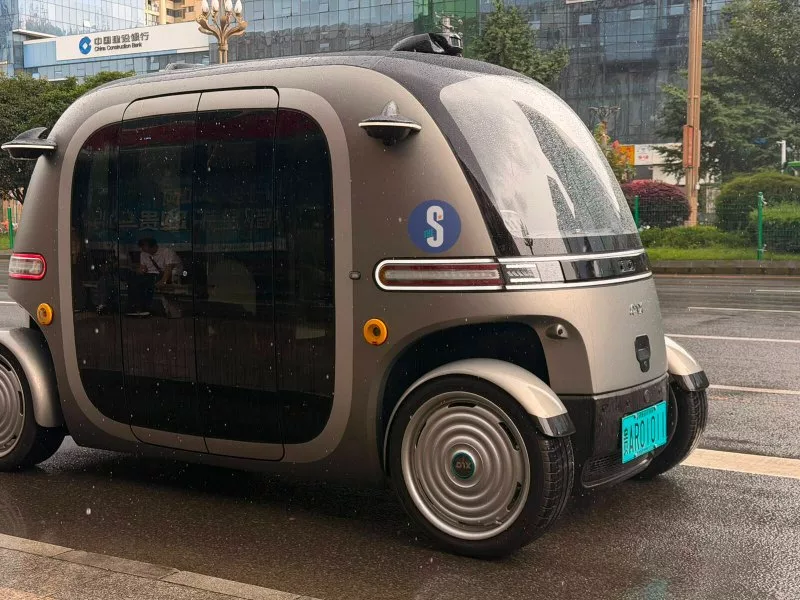
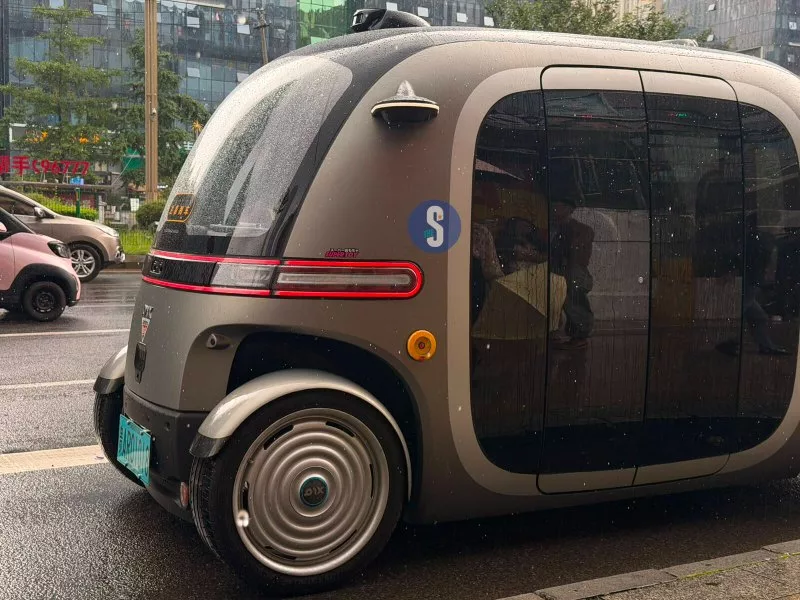
I have come to see the "Potato Bus," a moniker as quirky as the vehicle itself.
Officially known as the RoboBus, it is the brainchild of local tech firm PIX Moving.
To call it a bus feels inadequate. It is a "mobile space," a driverless pod that is redefining urban travel.
The moment I stepped into one of the five themed vehicles operating on the "Wonder Loop," I knew this was not your standard public transport.
There is no steering wheel, no driver's cab, and no discernible front or back.
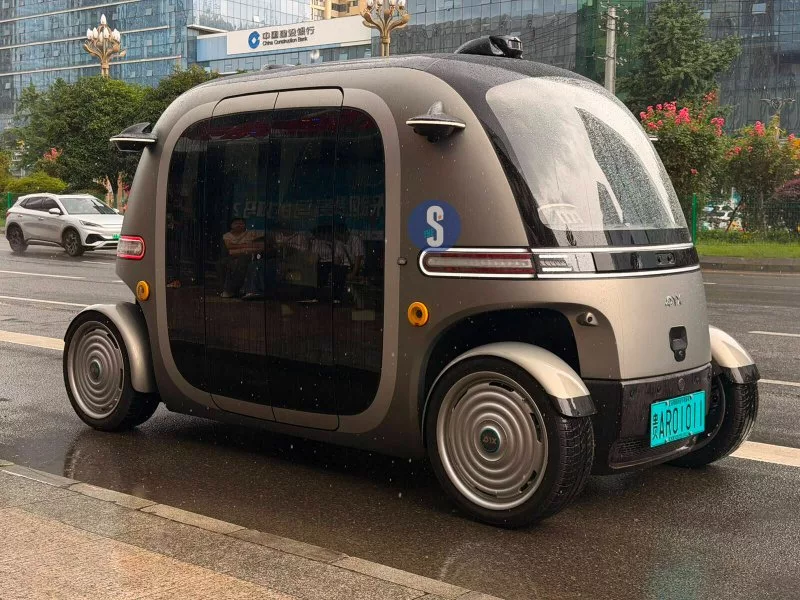
The cabin is a glass-walled capsule, offering nearly 360-degree views of the city. It is minimalist yet futuristic, with screens displaying the route and soft seats that make the 8-kilometre journey feel like a ride through a sci-fi movie.
According to my hosts, the vehicle is an L4 autonomous marvel powered by AI, relying on an array of sensors and cameras to navigate the city with the precision of a seasoned driver.
It can "see" obstacles up to 100 metres away and reacts faster than any human. More than just a vehicle, it is a platform.
It is technology blended with lifestyle, making the daily commute an "experience" rather than a chore.
This is the vision of "Potato Bus" creator, PIX Moving, a local Guizhou firm that has already exported these vehicles to over 30 countries.
As I watched these silent, electric pods glide through the streets, I could not help but think of home.
Back in Kenya, we are standing at a crossroads. Our transport sector is a major economic driver, but it is also a massive drain on our foreign exchange, with billions of shillings going to fuel imports.
While China is leaping into the future with AI and autonomous driving, we are still trying to figure out how to get our public transport, the iconic matatu, to go green.
There is hope, however. The uptake of electric vehicles (EVs) in Kenya is surging. Last year, we had less than 2,000 registered EVs; today, the number exceeds 40,000, driven largely by the bodaboda and matatu sectors.
Companies like BasiGo are pioneering the use of electric buses and matatus, proving that the economics work.
Drivers are reporting massive savings on fuel costs, and with Kenya generating over 90 per cent of its electricity from renewable sources, this is a green revolution waiting to happen.
However, the transition faces hurdles. While the government has waived taxes on the first 100,000 imported EVs and rolled out a National e-Mobility Policy, incentives are still not as aggressive as they need to be.
Charging infrastructure remains scarce outside major cities, and the upfront costs of EVs are still prohibitive for many operators.
The "Potato Bus" experiment in China shows us what is possible when government policy, infrastructure investment, and innovative private enterprise align.
We need more than just tax waivers; we need dedicated investment in charging grids, local assembly plants, and perhaps even partnerships with companies like PIX Moving. The future of transport is undoubtedly autonomous and electric.
It might seem a far cry from the chaotic streets of Nairobi, but China’s "mobile space" offers a blueprint for how we can rethink mobility, reduce our import bill, and create a cleaner, more efficient transport system.
The race to the future has already begun. Kenya cannot afford to be left at the station.