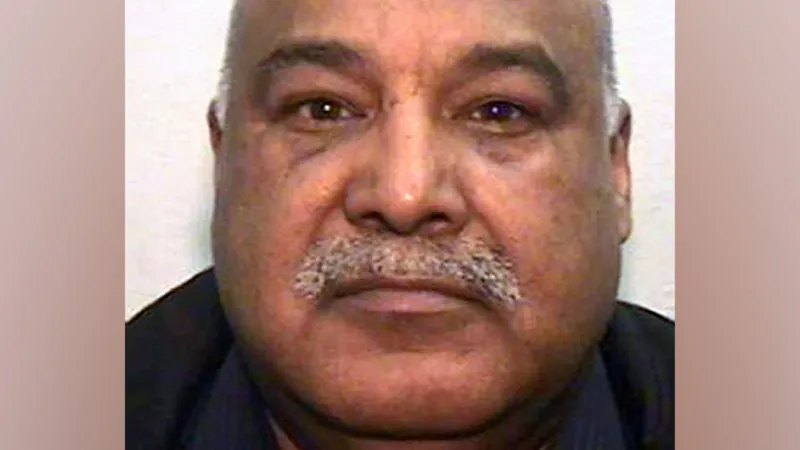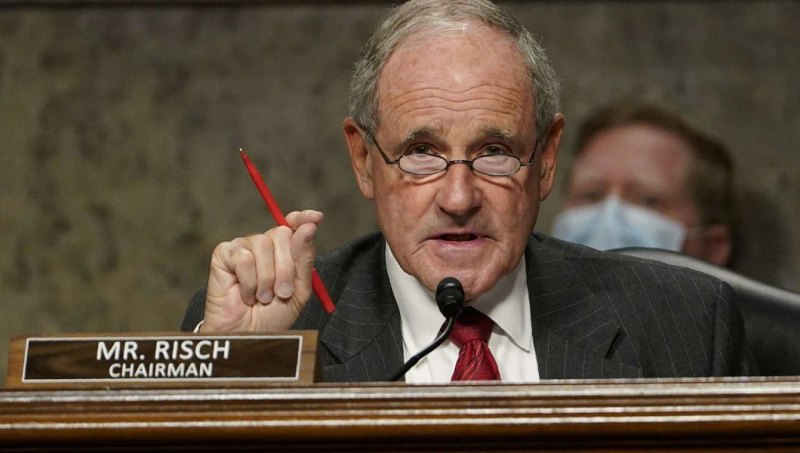
 Photo collage of Senator Jackson Mandago and MP Didmus Barasa/FILE
Uasin Gishu Senator Jackson Mandago and Kimilili MP Didmus Barasa are among elected leaders who recorded some of the biggest improvements in public approval ratings, according to the latest CountyTrak Performance Index 2026 released by Infotrak Research and Consulting.
The survey, which assessed the performance of Members of Parliament, Senators and Women Representatives across the country, tracked changes in approval ratings between previous and current assessments.
Among senators, Mandago emerged as one of the most improved leaders alongside Marsabit Senator Mohammed Said, Turkana Senator James Lomenen and Bomet Senator Hillary Sigei.
According to the findings, Mandago posted a notable rise in both rating and ranking position.
In 2024, the Uasin Gishu senator recorded a 40 per cent approval rating and ranked 32nd. In the latest 2026 survey, he improved to a 58 per cent approval rating and rose to position 14.
The shift reflects an 18-point increase in approval rating and a significant jump in ranking among senators.
Kimilili MP Didmus Barasa also posted one of the strongest improvements captured in the survey.
Barasa’s approval rating rose from 43 per cent in 2024 to 76 per cent in 2026, representing a 27-point gain.
His ranking also improved sharply, moving from position 160 in the previous assessment to position five in the latest performance index.
Other legislators listed among the most improved included Eldas MP Adan Keynan Wehliye, Suba South MP Caroli Omondi and Nyali MP Mohammed Ali.
According to the survey findings, Caroli Omondi improved from a 41 per cent approval rating to 62 per cent, while Mohammed Ali rose from 45 per cent in 2024 to 69 per cent in 2026.
Mohammed Ali also registered one of the largest movements in ranking, climbing from position 179 to position 25.
Infotrak said the findings are based on a nationwide survey conducted between January and May 2026 covering all 47 counties, 290 constituencies and 1,450 wards.
The research drew responses from 87,286 participants.
According to the survey methodology, an initial round conducted between January and March involved 36,200 respondents, while a second round involving 51,086 participants was undertaken to increase representation and ensure that each constituency had at least 300 respondents.
Infotrak said each county was treated as an independent sampling universe, with cluster samples ranging between 738 and 5,100 respondents depending on population and ward distribution.
Data was collected through Computer Assisted Telephone Interviews (CATI) and analysed using SPSS.
According to Infotrak, delivery of campaign promises emerged as the leading factor influencing citizens’ ratings of elected leaders at 41 per cent.
Transparency and accountability followed at 35 per cent, while initiation of development projects accounted for 30 per cent.
Influence over allocation and use of public funds, including CDF and county resources, contributed 28 per cent.
Other factors considered included accessibility and responsiveness to constituents, comparison with previous leaders, personal interactions with leaders, participation in legislative debates and motions, and sponsorship of bills and policies.
Less influential factors included public forums, media visibility, community discussions and political debates.