Growing political tensions in Somalia have triggered fresh concerns over
the country's stability, with analysts warning that a prolonged dispute over
the electoral process could undermine security gains and threaten peace efforts
across the Horn of Africa.
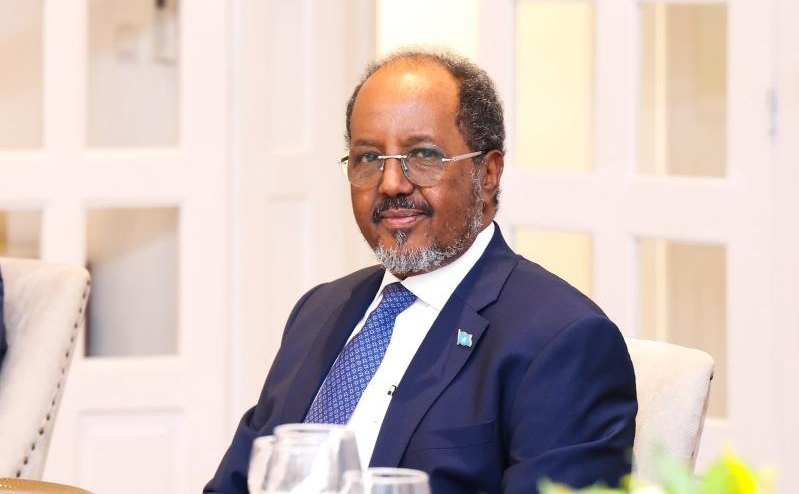
The concerns stem from reports that President Hassan Sheikh Mohamud has
secured a one-year extension of his term, a development that has reportedly
intensified disagreements between the Federal Government, opposition leaders
and several federal member states.
While the government has defended its political agenda, critics argue
that the absence of broad consensus on the electoral roadmap risks pushing the
country into another political crisis at a time when unity is crucial.
The dispute comes as Somalia continues military operations against the al-Shabaab militant group, which remains one
of the country's biggest security threats. Security experts caution that
sustained political wrangles could shift attention away from counterterrorism
efforts and create opportunities for the extremist group to exploit divisions
within the country's leadership.
Analysts have also expressed concern over reports that some units of the
Somali National Armed Forces have been reassigned from frontline duties to
roles linked to the ongoing political standoff.
According to observers, such deployments could weaken pressure on
Al-Shabaab and increase the burden on troops operating under the African Union
Support and Stabilization Mission in Somalia (AUSSOM), including forces
contributed by neighbouring countries.
The role of Somalia's security agencies has also become a source of
contention. Opposition leaders have accused the Federal Government of using
state security forces against political rivals and federal member states,
including Jubaland, Puntland and Southwest State.
Similar concerns have been raised in the past following confrontations
involving former President Sheikh Sharif Sheikh Ahmed and former Prime Minister
Hassan Ali Khaire.
The Federal Government, however, has maintained that its actions are
intended to preserve public order and safeguard national security.
Nairobi-based political analyst Japheth Musyimi said Somalia's leaders
must place dialogue at the centre of efforts to resolve the impasse and protect
the country's recent progress.
“Somalia has made significant gains that should not be jeopardised by
prolonged political disputes. An inclusive electoral process is essential to
maintaining stability while ensuring the fight against terrorism remains the
country's top priority,” Musyimi said.
Observers warn that if political divisions persist, they could erode
international confidence in Somalia's stabilisation efforts and affect
continued support from development and security partners.
For Kenya, which shares a long and porous border with Somalia and has
previously experienced the effects of cross-border terrorist attacks, stability
in the neighbouring country remains a key security concern.
Analysts say renewed dialogue among Somalia's political stakeholders will be critical in preventing the current tensions from escalating into a broader political and security crisis with regional consequences.