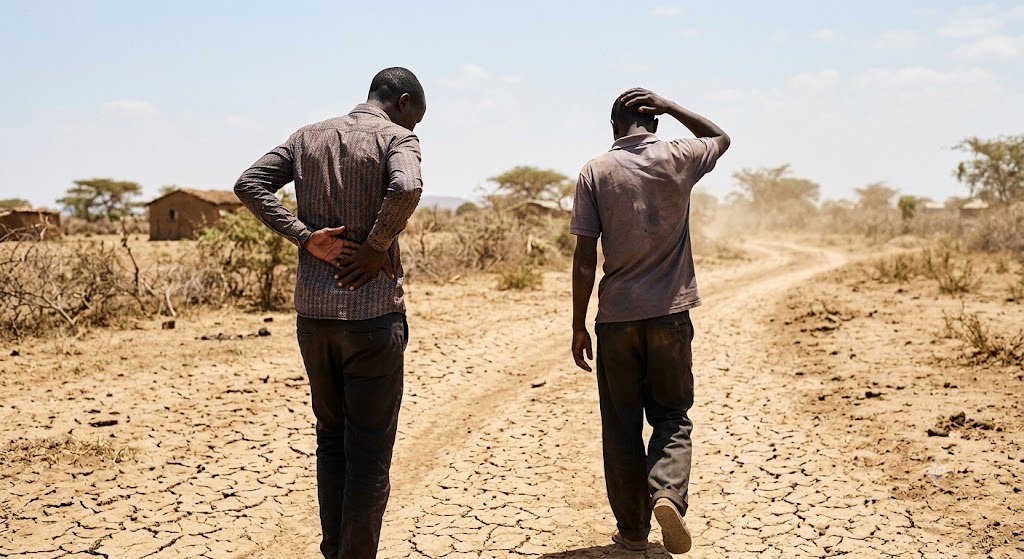
The World Health Organization (WHO) has warned that extreme heat can cause serious illness and even death, urging people to recognise the warning signs of heat stress and seek immediate medical attention when symptoms become severe.
In a public health advisory, the UN health agency said rising temperatures pose increasing health risks, particularly when combined with poor air quality.
It said older persons, children and people living with cardiovascular or respiratory conditions are among those most vulnerable.
WHO said common symptoms of heat stress include headaches, dizziness, nausea, muscle cramps, heart palpitations, excessive sweating and unusual tiredness.
The organisation warned that exposure to both extreme heat and air pollution can worsen health outcomes, especially for people with underlying heart and lung conditions.
According to WHO, anyone experiencing signs of heat stress should immediately slow down or stop physical activity, move to a cool or shaded area and drink water. It advised people to seek medical attention if symptoms do not improve.
The agency also outlined danger signs that require urgent medical intervention, including severe headache, confusion, agitation, collapse, seizures or failure to respond normally.
"This counts as a health emergency," WHO said.
The organisation further urged members of the public not to leave anyone showing signs of heat illness unattended.
"If someone near you looks unwell, don't leave them alone. Move them to a cooling area immediately, and call for first aid or alert event staff," WHO advised.
The health agency also encouraged people to check weather forecasts and air quality levels before spending long periods outdoors or engaging in strenuous activities, saying early preparation can significantly reduce health risks.
The advisory forms part of WHO's Beat the Heat initiative, a programme under its Sport for Health platform developed in collaboration with FIFA to strengthen protection against extreme heat and related environmental health risks.
The initiative seeks to protect workers, spectators and communities by promoting practical measures to reduce exposure to extreme heat, air pollution and harmful ultraviolet radiation in workplaces, sporting events and other mass gatherings.
WHO said the programme also supports governments, employers, sports organisations and event organisers by improving preparedness through evidence-based guidance, stronger health systems, public awareness campaigns and better emergency planning.
The organisation noted that the initiative aligns with global efforts to help countries adapt their health systems to the growing health impacts of climate change while strengthening long-term protection for communities exposed to environmental hazards.