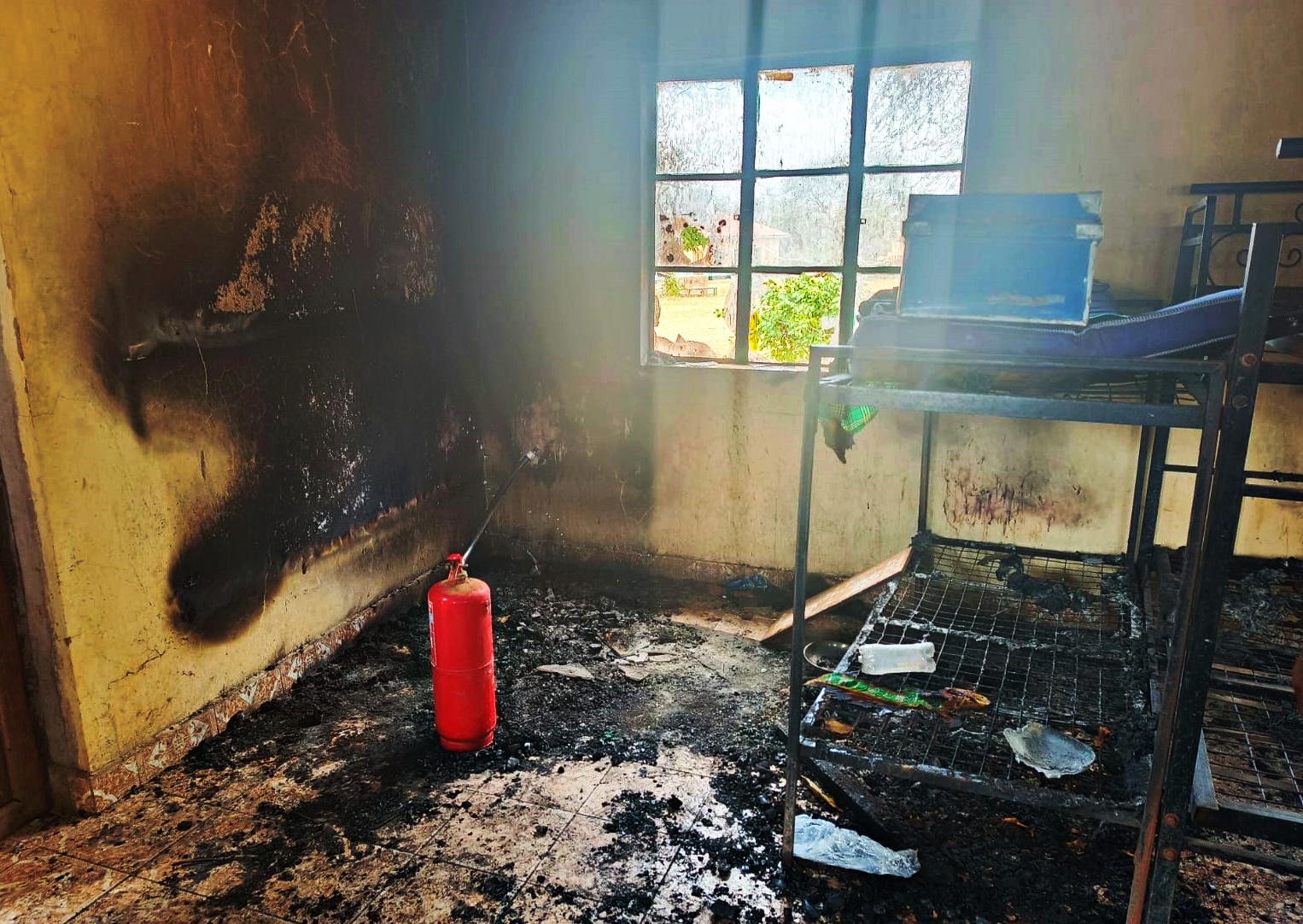
 A section of dormitory set on fire by students. /FILE
The recent wave of student unrest that swept across schools in different parts of the country has left behind more than burnt dormitories, damaged property and disrupted learning.
For many learners, the consequences could stretch far beyond the school gates and follow them into adulthood.
In the recent weeks, dozens of schools were forced to close indefinitely after incidents of unrest, some involving arson, destruction of property and violence that resulted in injuries and, in some cases, loss of life.
The Ministry of Education said at least 204 schools were affected, with thousands of learners sent home as authorities struggled to contain what quickly escalated into criminal acts in some institutions.
Education officials attributed the unrest to a combination of factors, including drug and substance abuse, examination pressure, poor communication between students and school administrations, harsh disciplinary measures and unresolved grievances.
Education Cabinet Secretary Julius Ogamba also cited parental influence, governance challenges within schools, abrupt policy changes, broader societal pressures and the influence of social media as contributors to the disturbances.
As investigations intensified, some students suspected of participating in criminal acts were arrested and detained, while other schools that experienced no disturbances still sent learners home as a precautionary measure amid rising tensions.
As of June 22, some institutions had yet to reopen, despite schools being scheduled to break for the mandatory mid-term holiday on June 24.
While discussions around the unrest have largely centred on discipline, safety and school management, one critical issue appears to have received little attention: the long-term implications for students who find themselves on the wrong side of the law.
For many young people, acts committed in the heat of the moment — sometimes driven by frustration, anger or peer pressure — may appear inconsequential.
Yet those decisions can have lasting ramifications years after the school unrest has faded from public memory.
In Kenya today, many employers, particularly in the public sector and large corporate organisations, require successful job applicants to obtain several clearance certificates before taking up employment.
One of the most important is the Certificate of Good Conduct issued by the Directorate of Criminal Investigations (DCI), which confirms whether an individual has a criminal record.
It is at this stage that reality may begin to dawn on some of the students currently under investigation over school unrest incidents.
Under Kenyan law, police are authorised to take fingerprints, palm prints and photographs of suspects following arrest.
The process is provided for under the National Police Service Act and is intended to verify identity, establish criminal history and support forensic investigations.
The records are processed and stored centrally by the DCI through the Forensic Fingerprint Identification Bureau.
Although individuals who are acquitted or whose cases are dismissed have the legal right to apply for the removal of their fingerprints and records from the criminal database, many young people are unaware of the process.
That lack of awareness could prove costly later in life, particularly when pursuing higher education opportunities or seeking employment, even after being cleared of wrongdoing.
It is this reality that prompted Head of Public Service Felix Koskei to caution learners against engaging in unlawful conduct while in school.
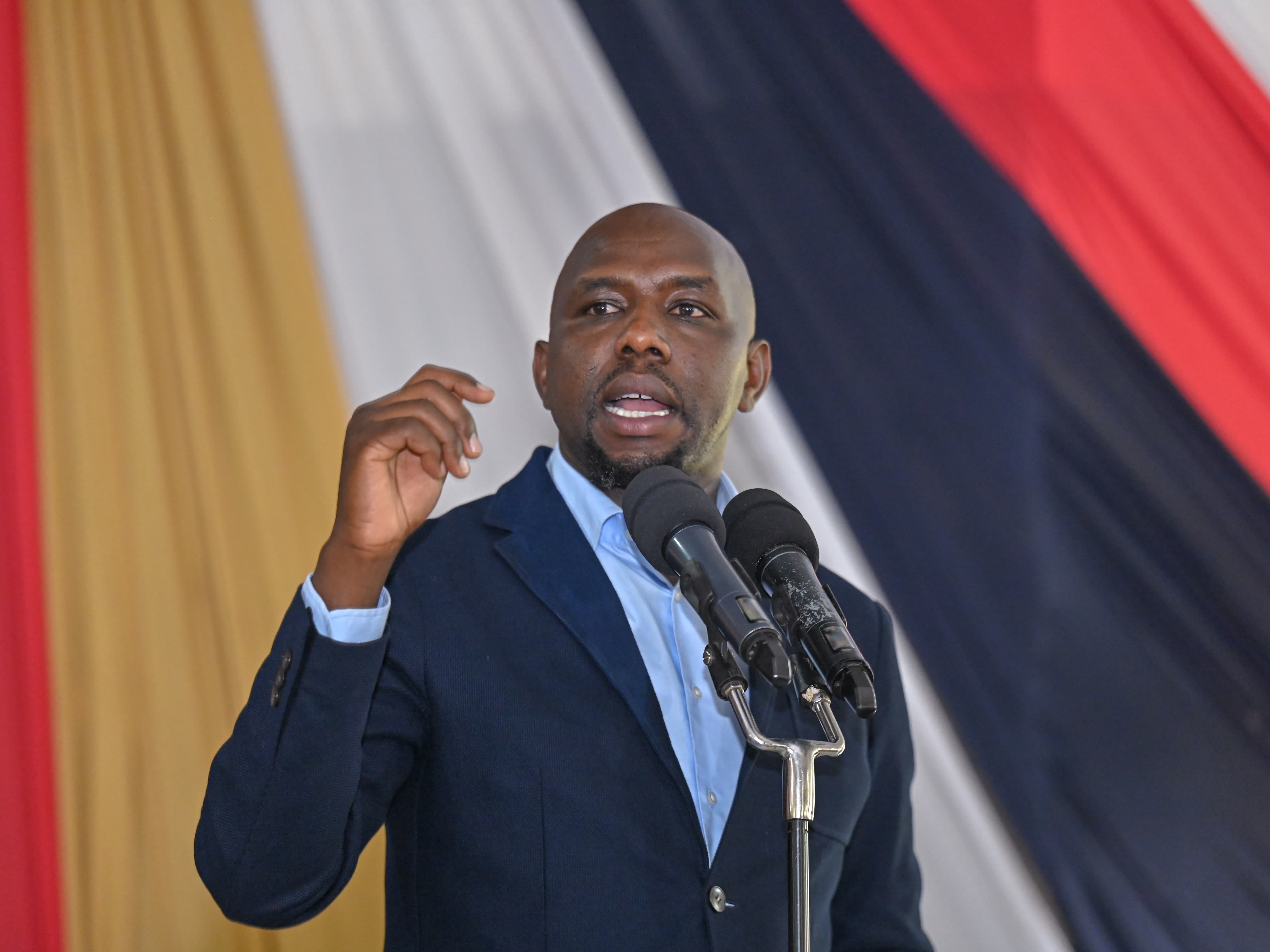
Speaking during a prize-giving ceremony at Mary Hill Girls High School in Thika on Sunday, Koskei warned that the consequences of criminal conduct can extend well beyond the immediate disciplinary action.
"When people go on strike, it's not like long time ago where they were beaten, chased home and they come back. Nowadays police are involved; once you've been arrested, your name goes into some list. Whenever you look for a job, they check," he said.
"When your name pops up, you are a troublemaker, no one will employ you. No one will even want to admit you in institutions of higher learning. No one will want to associate with you, and it's a small one night thing."
Koskei urged students to remain focused on their education and avoid actions that could jeopardise their futures.
His sentiments were echoed by Archbishop Philip Anyolo, who encouraged learners to pursue dialogue and lawful avenues of resolving disputes rather than resorting to destructive actions.
"I want you to know that your concerns are valid, but I urge you with all the love and authority to raise your issues through the right channels," he said.
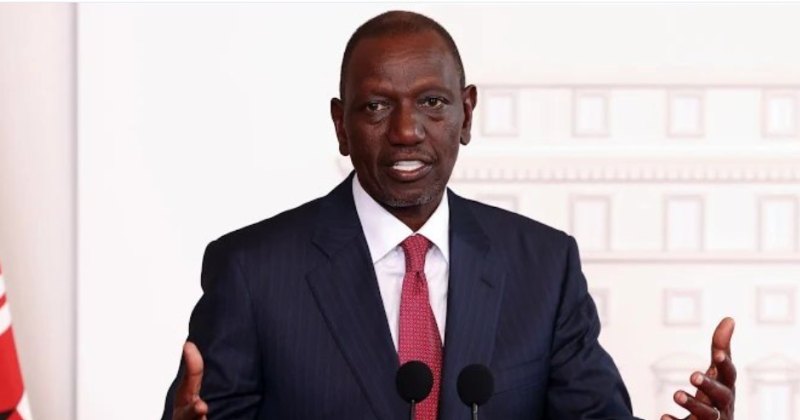
Speaking during the 95th St John Ambulance Annual Parade and Inspection at State House, Nairobi, President William Ruto equally lamented the loss of young lives in schools, saying places that should be among the safest environments for children have turned into death traps.
He noted that actions taken in moments of anger often carry consequences that can last a lifetime.
"Our young people must draw lessons in these incidences. Be the generation that understands that every action matters, every choice counts and every choice carries consequences."
The President also called on parents to play a greater role in nurturing discipline and moral values among their children.
"There's no child without a father, yes, the same way there's no child without a mother, so we must carry that responsibility."
As schools prepare to release learners for the mid-term break, the recent unrest offers a sobering lesson for students, parents and educators alike.
Beyond the damaged buildings and interrupted academic calendars lies a more enduring concern: that a single reckless decision made during adolescence can cast a long shadow over opportunities in adulthood.
For learners contemplating joining acts of unrest, that may be the most important lesson of all.