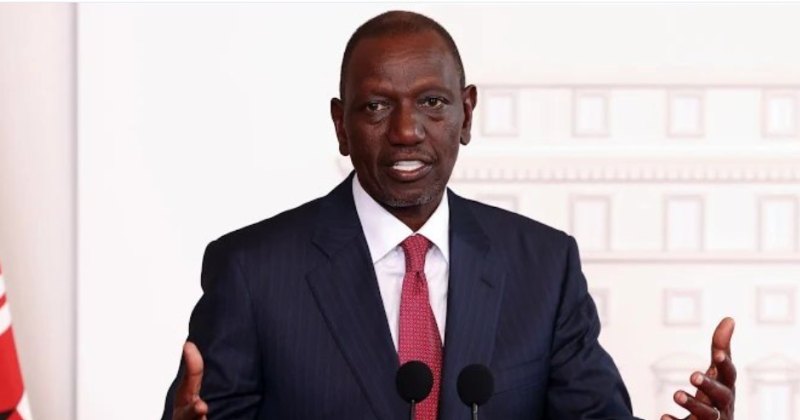
Coffee farmers will begin receiving payments within five days of delivering their produce under new reforms aimed at increasing earnings and reviving the sector, President William Ruto has announced.
Speaking during the launch of the National Coffee Revival Through Cooperative Societies Programme at Kianyaga Stadium in Kirinyaga County on Monday, Ruto said the government is rolling out a Direct Settlement System to eliminate payment delays that have long frustrated farmers.
The President said the reforms are intended to address longstanding challenges in the coffee value chain, including delayed payments, excessive deductions, and a lack of transparency.
He noted that many farmers had been denied the full value of their produce due to inefficiencies and exploitation by middlemen.
"Farmers will no longer wait for weeks, months or entire seasons to be paid. Timely payment is not a favour to the farmer; it is the farmer's right," Ruto said.
The event was attended by Deputy President Kithure Kindiki, Cabinet Secretaries Wycliffe Oparanya and Mutahi Kagwe, governors Anne Waiguru, Cecily Mbarire and Joseph Irungu, as well as MPs and coffee sector stakeholders.
 Coffee farmers at Kassam stadium for the coffee revival meeting on June 22, 2026/ ALICE WAITHERA
Ruto said the government has also streamlined the coffee marketing system and curtailed the influence of brokers accused of exploiting farmers through multiple licences and opaque practices.
He said the reforms were already yielding results, with coffee prices rising from about Sh50 per kilogramme two years ago to as high as Sh158 per kilogramme in some factories.
"The government's target is to increase farmers' earnings to Sh250 per kilogramme," he said.
The President said the government is supporting coffee farmers through subsidised fertiliser, quality seedlings, extension services, irrigation, and access to modern farming equipment.
He noted that Sh18 billion has been allocated to the fertiliser subsidy programme this financial year, reducing fertiliser prices from Sh7,500 to Sh2,500 per bag and lowering production costs for farmers.
In addition, the government has set aside Sh2 billion to clear outstanding debts owed to coffee farmers and cooperative societies.
Another Sh1 billion will be channelled to counties to modernise coffee factories, while a similar amount will support the production and distribution of quality coffee seedlings.
Ruto said the country aims to increase annual coffee production from the current 50,000 metric tonnes to 150,000 metric tonnes by 2028 through improved farming practices and the expansion of acreage under the crop.
"We are moving from the export of raw coffee to local processing, packaging and branding so that more value is retained in Kenya and farmers earn more from their produce," he said.
The President said traditional coffee-growing counties such as Kirinyaga, Nyeri, Murang'a, Kiambu, Embu and Meru will benefit from the rehabilitation of ageing coffee trees and the modernisation of processing facilities, while emerging coffee-growing regions will also receive support.
He urged cooperative societies to strengthen their role in helping farmers access affordable inputs, improve quality and negotiate better prices in local and international markets.
Ruto also challenged Kenyans and public institutions to embrace locally produced coffee to strengthen the domestic market and shield farmers from fluctuations in global prices.
"I call on government institutions, county governments, universities, hotels, restaurants and businesses across the country to serve Kenyan coffee," he said.
At the same time, the President urged opposition leaders to support the Finance Bill, saying it contains measures intended to benefit ordinary Kenyans and accelerate development across the country.
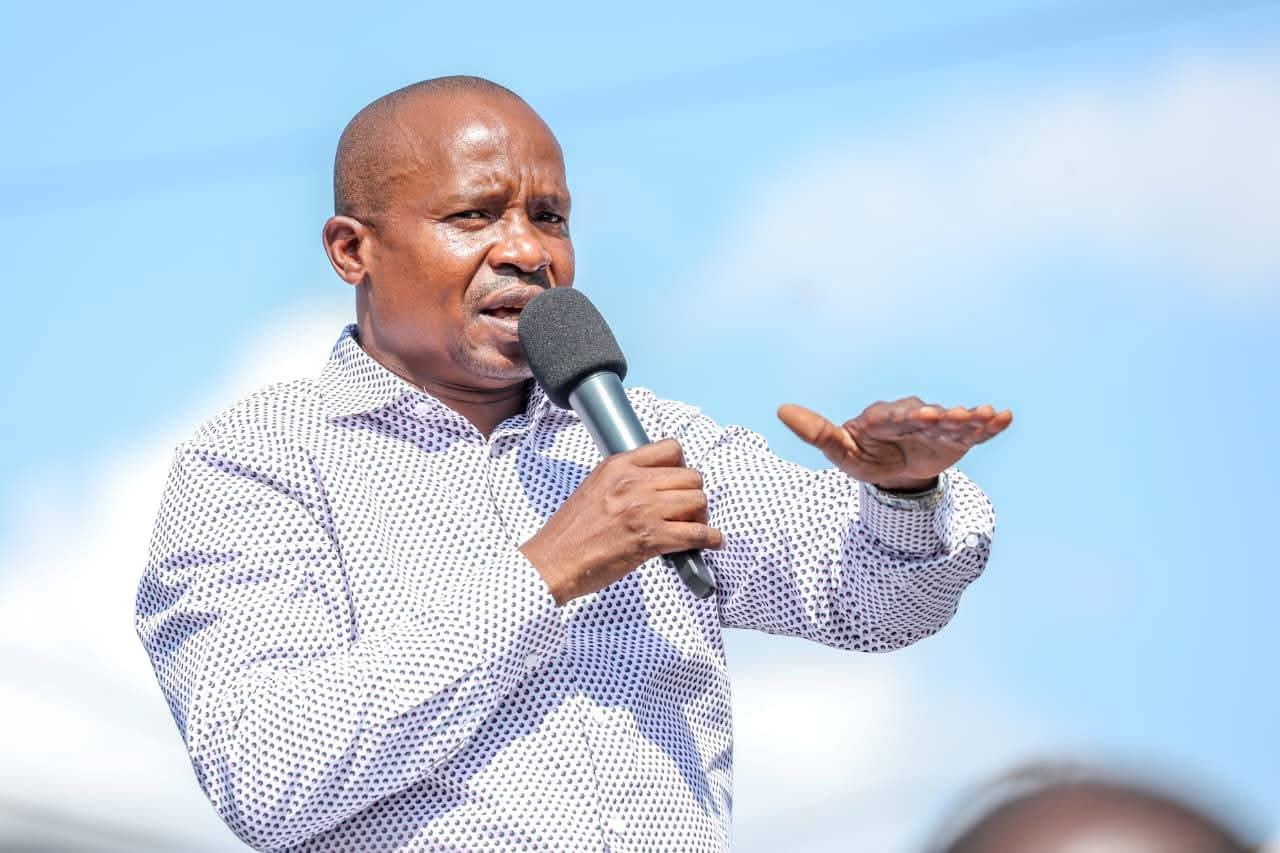
Deputy President Kindiki said reforms introduced by the government had expanded coffee farming to 35 counties, up from the traditional coffee-growing regions.
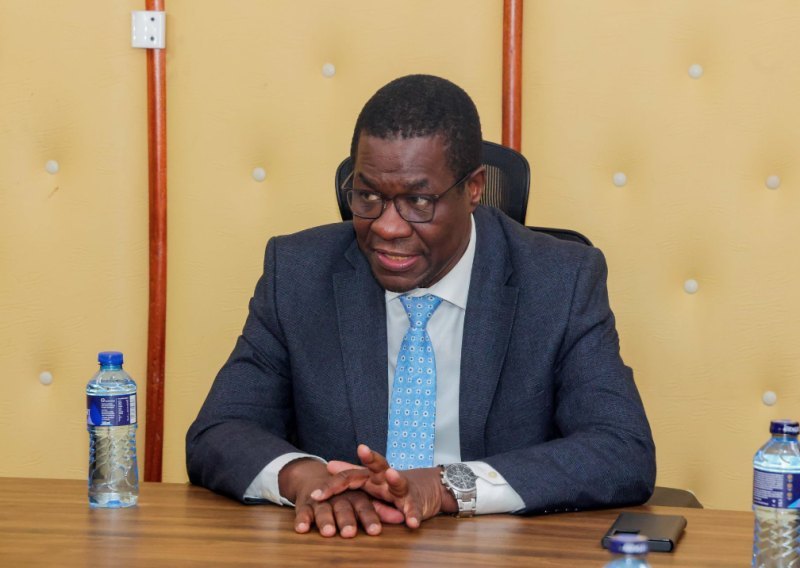
Cooperatives Cabinet Secretary Oparanya said the reforms had restored confidence in the sector and attracted new farmers, particularly in Western Kenya.
Governor Waiguru said the launch of the programme reaffirmed the government's commitment to revitalising a sector that supports thousands of farming households across the country.