More than 1,000 students drawn from 264 institutions of higher learning across the country have been trained on mediation, peacebuilding and preventive security.
The students were trained under their own initiative aimed at addressing conflicts within learning institutions through dialogue and engagement.
The students form the first cohort of the Jukwaa La Wasomi programme, an initiative spearheaded by the Universities and Colleges Students Peace Association of Kenya (UCSPAK) to equip learners with skills in conflict resolution and mediation.
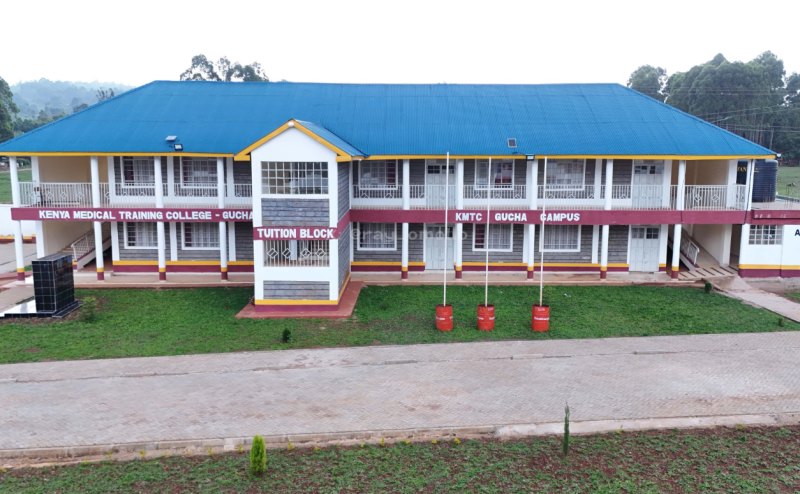
The programme brings together a wide range of stakeholders, including the Ministry of Interior and National Administration, Ministry of Education, Ministry of Health through the Kenya Medical Training Colleges, the Ministry of Youth Affairs, Creative Economy and Sports, the Independent Electoral and Boundaries Commission (IEBC), the Judiciary, the National Cohesion and Integration Commission (NCIC) and the Independent Policing Oversight Authority (IPOA).
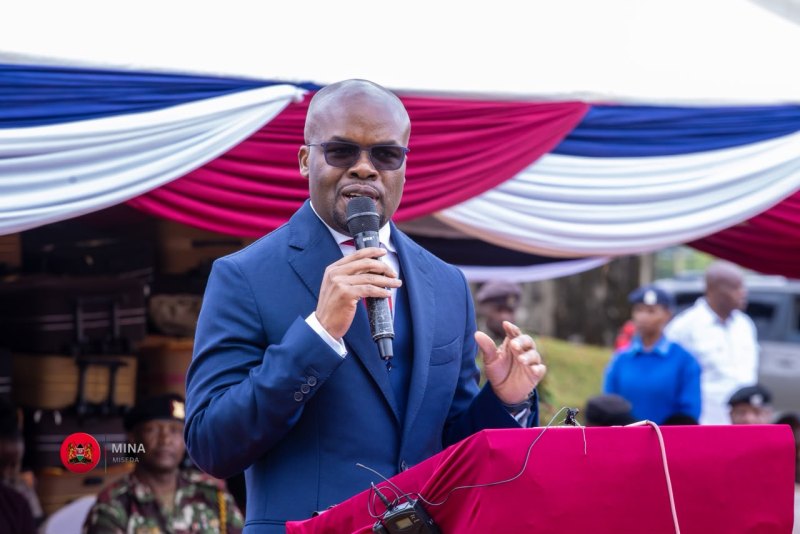
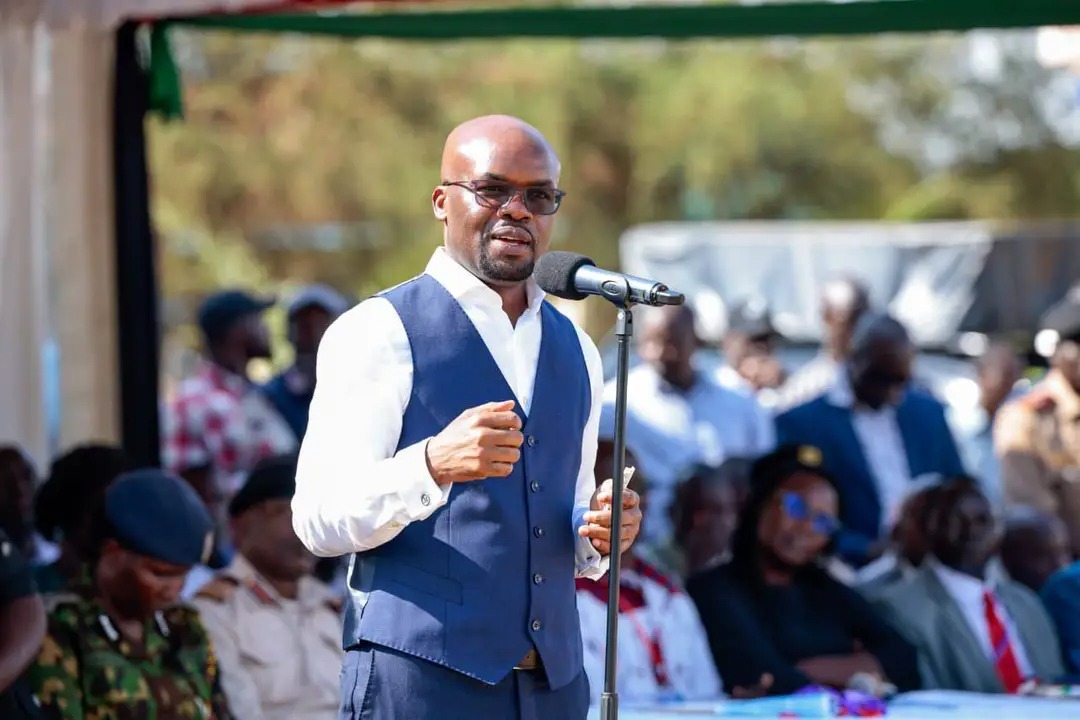
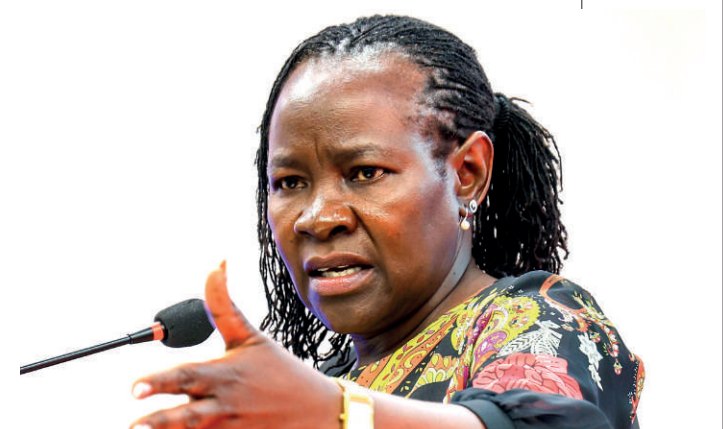
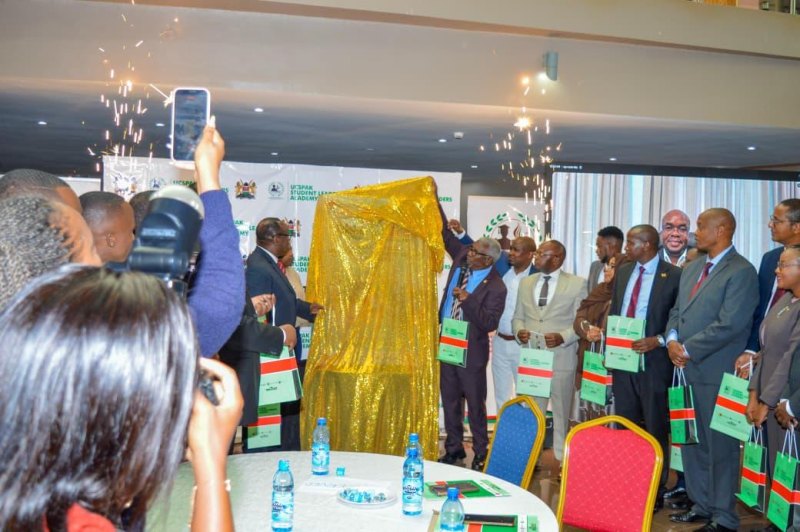
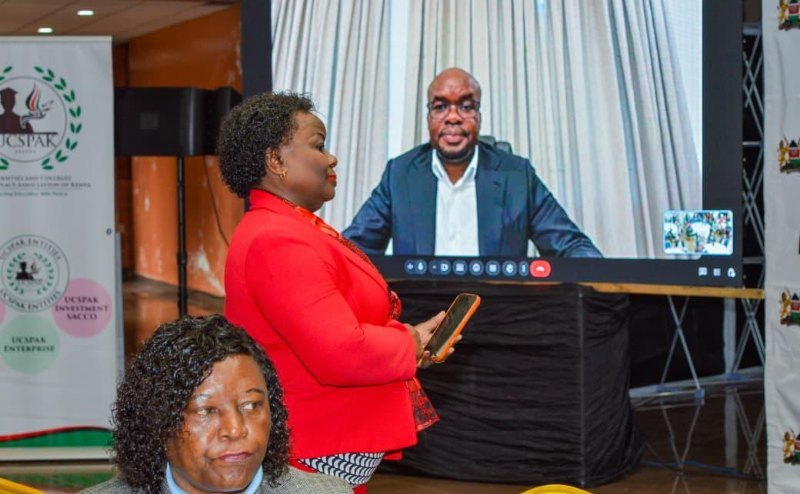
Speaking during the launch of the first phase report of the programme at the University of Nairobi, Principal Secretary for Internal Security and National Administration Dr Raymond Omollo said the initiative places young people at the centre of efforts to prevent and resolve conflicts in institutions of higher learning.
He said the idea was born out of concerns raised by students during the Jukwaa La Usalama engagements conducted by the Ministry of Interior and National Administration last year.
“This is a collaborative effort. We are building a strong and solid network that will make it easy for institutions of learning and students to have robust mechanisms for mediation and resolution of conflicts,” Omollo said.
The Principal Secretary noted that student safety emerged as a major concern during the Jukwaa La Usalama forums, prompting the government and its partners to support a student-centred approach to addressing security challenges.
He revealed that the second cohort of trainees is currently undergoing training in different regions of the country and will be certified as mediators upon completion.
Omollo added that the peace and conflict resolution programme has since been expanded beyond universities and colleges to include thousands of learners in primary, junior secondary and senior schools.
The PS also expressed concern over recent cases of unrest in schools, including the tragic fire at Utumishi Girls Academy that claimed the lives of 16 students.
He said all National Government Administrative Officers (NGAOs) had been instructed to work closely with educational institutions to promote dialogue and peaceful conflict resolution.
Omollo further disclosed that the government had intervened to ensure schools in northern Kenya are adequately staffed with teachers, while calling on all citizens to embrace peaceful coexistence.
NCIC Chairperson Dr Kepha Nyamweya pledged the commission’s support for the initiative, saying it would help nurture a new generation of peace ambassadors and mediation champions.
“We will support this initiative because it empowers young people to become agents of peace and cohesion in society,” Nyamweya said.
He warned political leaders and members of the public against engaging in ethnic incitement and hate speech ahead of the 2027 General Election.
Educationist Prof Chacha Nyaigotti Chacha, who chairs the Jukwaa La Wasomi National Steering Committee, lauded the programme and urged institutions and stakeholders to support its expansion.
“This initiative has the potential to transform how conflicts are managed in our institutions. It deserves support from all sectors,” he said.
University student leaders who initiated the programme said it was born out of a desire to find alternatives to confrontational approaches to resolving grievances.
Purity Mutua, Vice President Emeritus of the University of Nairobi, said students from universities, technical institutions and teacher training colleges approached county commissioners to discuss challenges facing learners.
“We started this journey by giving the PS our idea. We are student leaders from universities, TVETs and TTCs across the country,” Mutua said.
“Each of us went to our respective county commissioners and discussed issues affecting our universities. Upon conclusion, we worked on ways of handling security matters without going to the streets.”
IEBC Commissioner Dr Moses Mukhwana said the electoral body would partner with the initiative to educate young people on electoral processes and civic participation.