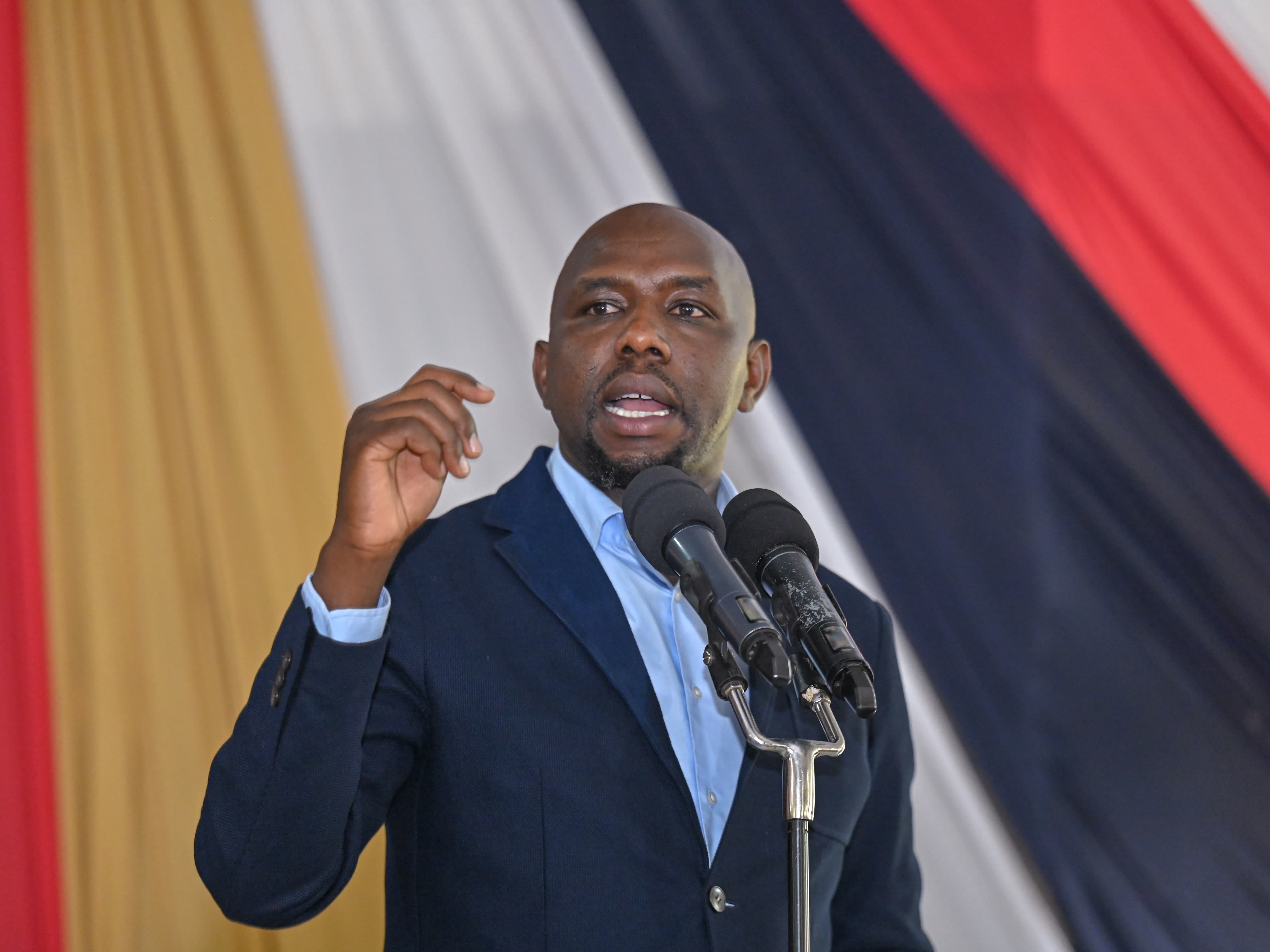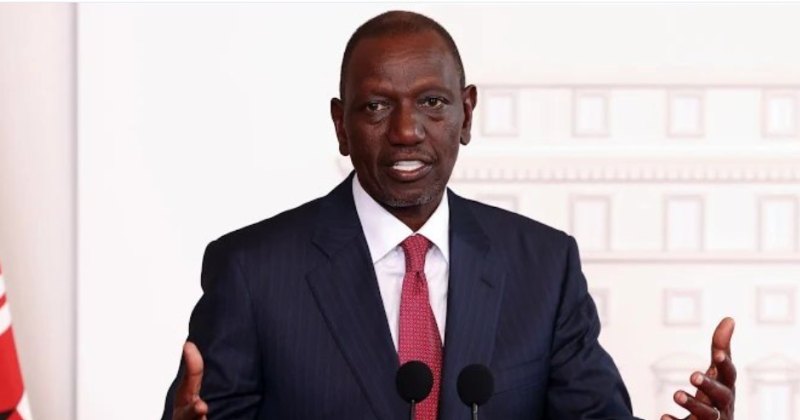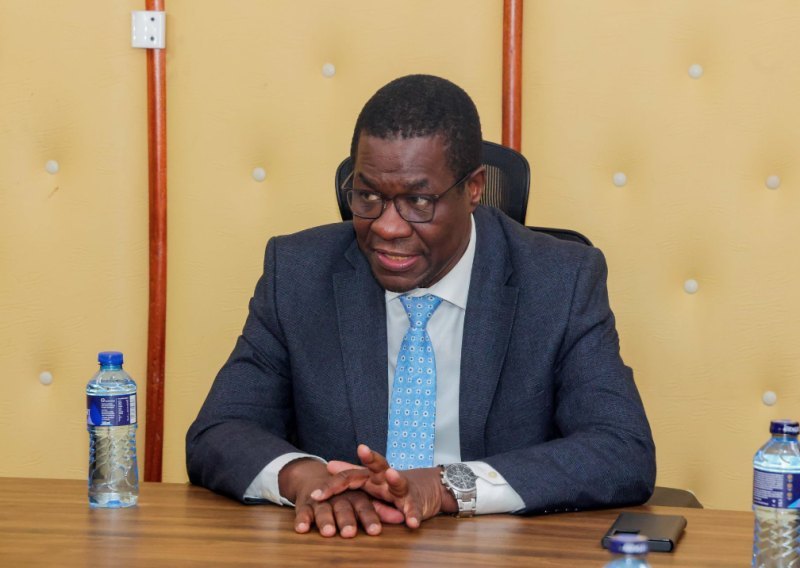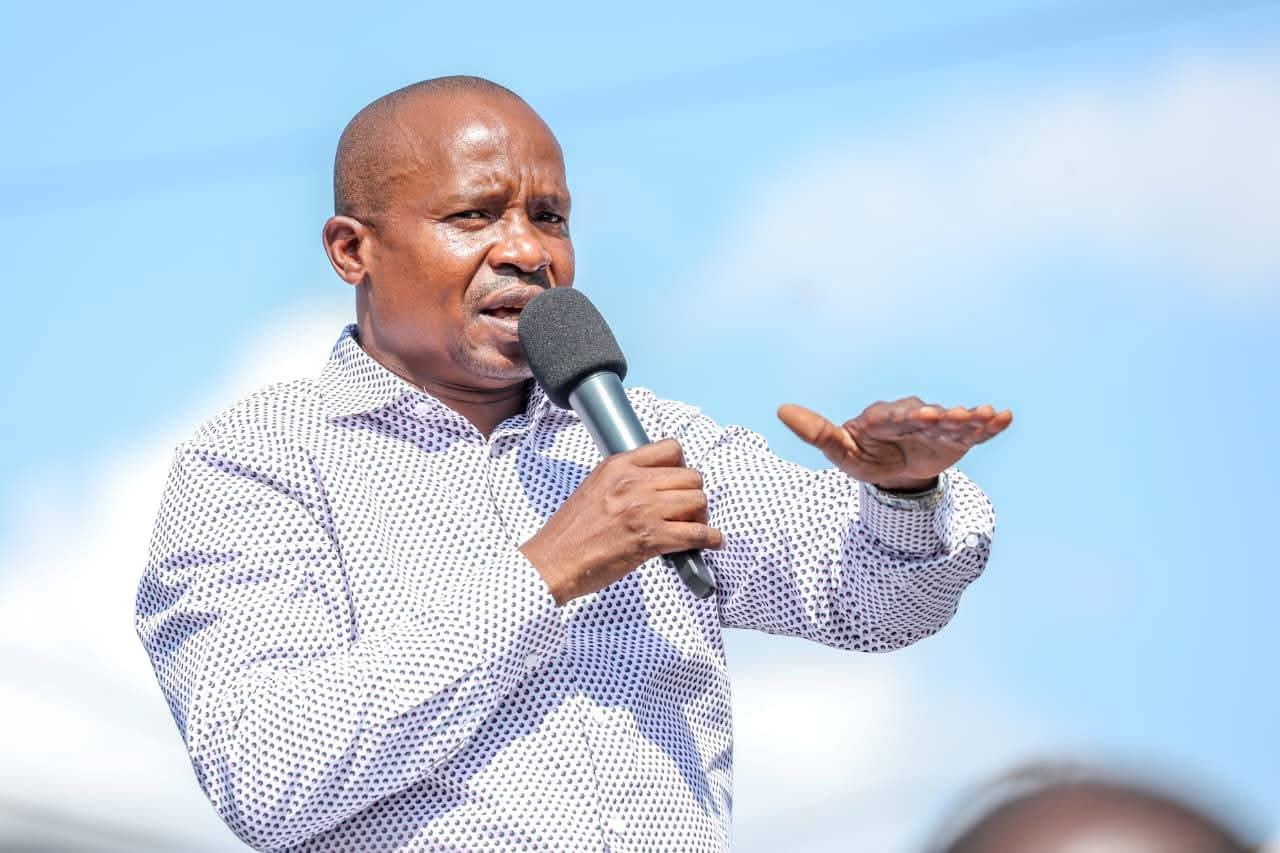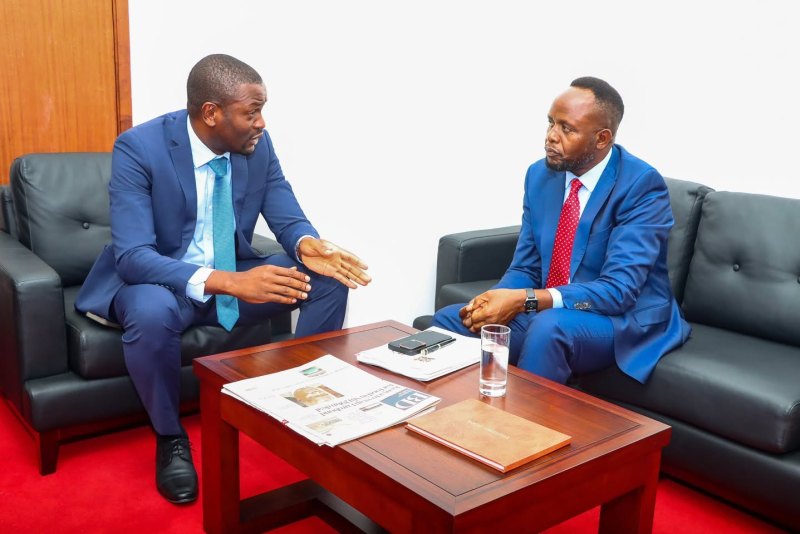
The rise of Nairobi Senator Edwin Sifuna and Trans Nzoia Governor George Natembeya is increasingly challenging the long-held political dominance of Prime CS Musalia Mudavadi and National Assembly Speaker Moses Wetang’ula in Western Kenya.
For decades, Mudavadi and Wetang’ula have been the undisputed political heavyweights of the region, commanding vast support networks and playing central roles in national politics.
Their influence has enabled them to shape the political direction of Western Kenya, while maintaining their positions as key players on the national stage.
However, the rise of a younger and more assertive generation of leaders is beginning to test their grip on the region’s political imagination, particularly among younger voters who are demanding a new style of leadership and greater accountability from elected leaders.
At the centre of this political shift is Natembeya, whose Tawe Movement has gained traction across parts of Western Kenya.
The movement has tapped into growing frustrations among residents, who feel that despite producing some of the country’s most prominent leaders, the region has not enjoyed commensurate economic and infrastructural development.
DAP-K Western region coordinator Caleb Burudi says Natembeya’s message of regional empowerment, economic transformation and political self-determination has resonated with many young people and grassroots supporters.
“By directly questioning the political status quo, Natembeya has positioned himself as a reformist voice capable of mobilising support beyond his Trans Nzoia base,” Burudi said.
The governor has not shied away from confronting the region’s traditional political establishment.
During opposition tours across Western Kenya, Natembeya has repeatedly urged residents to embrace his ‘Tawe’ philosophy and reject what he describes as politics that has failed to deliver meaningful change.
Speaking during a recent opposition rally in Kanduyi, Bungoma county, Wetang’ula’s political backyard, Natembeya called for political unity among leaders opposed to President William Ruto’s administration.
“Let no one lie to you that removing Ruto from power is difficult. If we unite with Sifuna, he will go home,” Natembeya told supporters.
His alliance-building efforts have increasingly drawn him closer to Sifuna, whose political profile has continued to rise in Western Kenya despite his electoral base being in Nairobi.
Through the Linda Mwananchi movement, Sifuna has positioned himself as a champion of accountability, citizen-centred leadership and governance reforms.
His outspoken criticism of government policies and strong communication skills have helped him cultivate a growing following among residents seeking fresh leadership perspectives.
Burudi notes that Sifuna’s appeal extends beyond traditional political boundaries.
“His ability to connect with urban and rural audiences alike has expanded his influence beyond Nairobi and into Western Kenya, where many view him as part of a new generation of leaders seeking to redefine the region’s political future,” he said.
The Linda Mwananchi Movement has also provided Sifuna with a platform to engage communities across Western Kenya through public forums, grassroots mobilisation and digital outreach, helping him establish a presence in a region historically dominated by veteran politicians.
Political commentator Daniel Orogo says the growing prominence of Sifuna and Natembeya presents a strategic challenge to Mudavadi and Wetang’ula, whose influence has traditionally been built on their experience, extensive political networks and status as senior national leaders.
“As younger voters increasingly demand tangible development outcomes and a different style of leadership, the two veteran politicians face mounting pressure to defend their political legacy and demonstrate their continued relevance,” Orogo said.
Recent political developments have fuelled speculation about a possible alliance between Natembeya and Sifuna ahead of the 2027 General Election.
On May 20, Natembeya met Sifuna in Nairobi in a gathering that immediately sparked discussions about potential political realignments. Also present were Vihiga Senator Godfrey Osotsi, Kabuchai MP Majimbo Kalasinga, Bumula MP Jack Wamboka and Funyula MP Wilberforce Oundo.
The meeting reinforced perceptions that a new political force could be taking shape in Western Kenya, bringing together leaders seeking to challenge the region’s traditional power centres.
Yet Mudavadi and Wetang’ula remain formidable political figures. As President William Ruto’s most influential allies in Western Kenya, the two leaders played a pivotal role in helping the Kenya Kwanza coalition penetrate a region that had traditionally leaned towards opposition politics.
Through their respective political networks and influence among the Luhya community, they mobilised significant support for Ruto during the 2022 General Election, and they have since remained central figures in advancing the administration’s agenda across the region.
Mudavadi’s political career spans more than three decades, during which he has served as Vice President, Deputy Prime Minister and Cabinet Minister. Wetang’ula has similarly built a formidable political career, serving as Cabinet Minister, Senator and currently Speaker of the National Assembly.
Together, they represent a wealth of political experience and institutional knowledge that continues to command respect across the region.
However, not everyone is convinced that Sifuna’s growing popularity can easily translate into political success.
Bungoma Governor Ken Lusaka is among leaders who have cautioned Sifuna against reading too much into public enthusiasm and venturing prematurely into national politics.
“Be careful of Kenyans. They can kill your political career. Kenyans can hype you to go for the presidency, but when it comes to voting, they step aside and leave you out to suffer,” Lusaka warned during a meeting in Bungoma.
Still, the rise of Sifuna and Natembeya signals a changing political landscape in Western Kenya.