Kenyan households received a staggering Sh931.8 billion in remittances from relatives and friends abroad in the 12 months to May 2025, underscoring the growing role of the diaspora in supporting livelihoods and the country's economy.
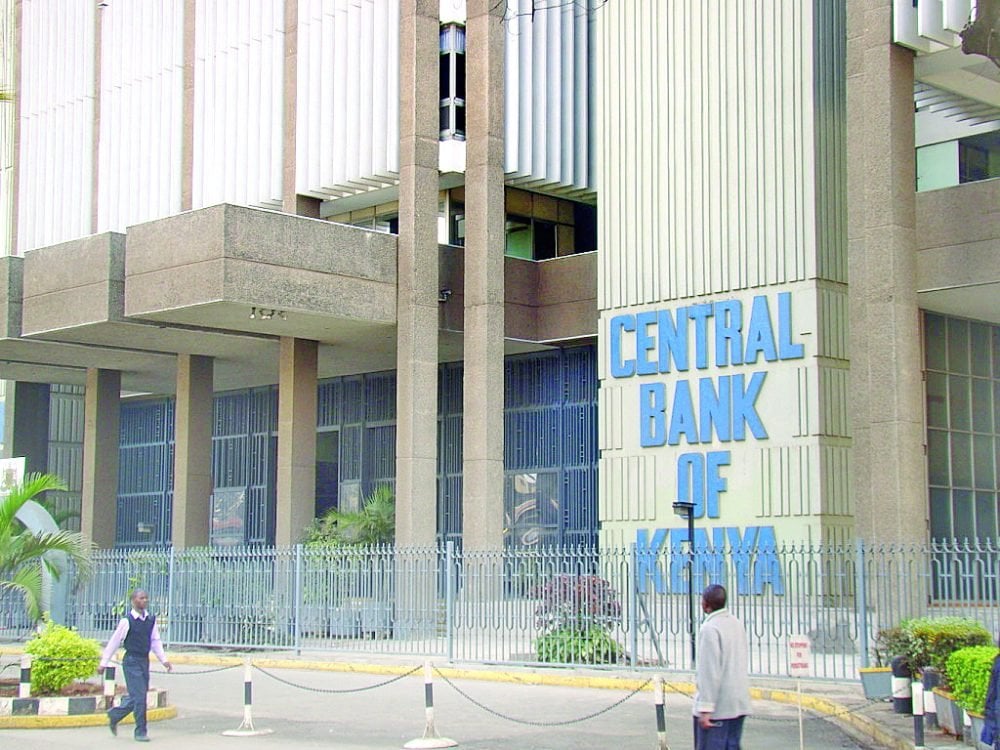
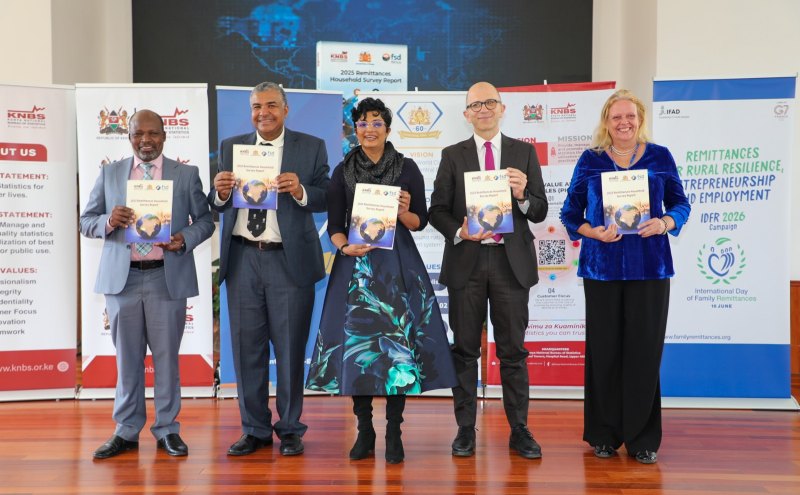
According to the 2025 Remittances Household Survey released by the Kenya National Bureau of Statistics (KNBS), the Central Bank of Kenya (CBK) and Financial Sector Deepening Kenya (FSD Kenya), remittances remain a critical source of income for hundreds of thousands of households across the country.
"The survey revealed that households in Kenya received a total of Sh931.8 billion in remittance inflows during the reference period, June 2024 to May 2025, with cash transfers accounting for 91.0 per cent, and in-kind inflows comprising the remaining 9 per cent," the report states.
The survey, described as the first comprehensive nationwide assessment of household remittance inflows and outflows, found that the United States remains the largest source of diaspora money flowing into Kenya.
"The United States of America was the largest source of inflows, contributing 43.5 per cent of total remittances, followed by Germany and Australia," the report says.
The findings come at a time when diaspora remittances continue to rank among Kenya's leading sources of foreign exchange, often outperforming earnings from key export sectors.
The report also indicates that formal financial channels dominate the remittance market.
"Formal channels remain the preferred mode for remittance transfers, with banks and mobile money platforms accounting for over 92.0 per cent of inflows," the survey notes.
Beyond their contribution to the economy, remittances have become an important lifeline for families struggling with rising living costs and economic uncertainties.
The survey found that remittances play different roles across households depending on income levels and family circumstances.
"Among households surveyed, 42.3 per cent reported remittances as a supplementary source of income, 36.4 per cent as additional income, and 22.3 per cent as their main source of livelihood," the report says.
The findings suggest that for more than one in five households receiving remittances, support from relatives abroad is the primary means of survival.
Rural households emerged as the biggest beneficiaries of remittance inflows.
According to the survey, 65.1 per cent of households receiving remittances were located in rural areas, compared to 34.9 per cent in urban centres.
The report further highlights the close link between remittances and financial inclusion in Kenya.
"A strong positive relationship was observed between financial inclusion and remittance receipt, with 82.5 per cent of recipients owning mobile money accounts and 55.4 per cent holding bank accounts," the report states.
However, the survey notes that relatively few recipients channel remittance income into investment products such as securities, microfinance accounts or cryptocurrencies.
The KNBS, CBK and FSD Kenya say the findings provide critical evidence for policymakers seeking to leverage diaspora resources for economic growth and household welfare.
"The findings underscore the need for policies that reduce transaction costs, expand access to affordable formal transfer channels, and leverage remittances for education, health, and environmentally sustainable investments," the report says.
The institutions further note that the survey's findings are expected to strengthen policies aimed at enhancing financial inclusion and maximising the contribution of the Kenyan diaspora to national development.