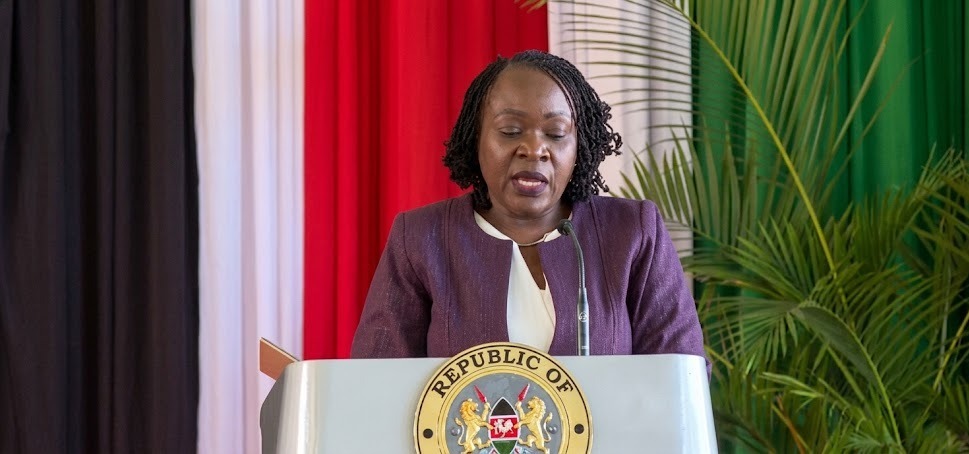
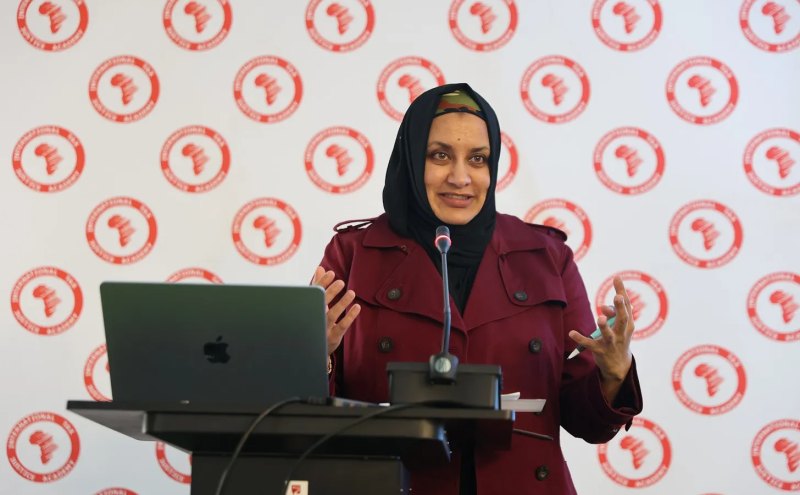
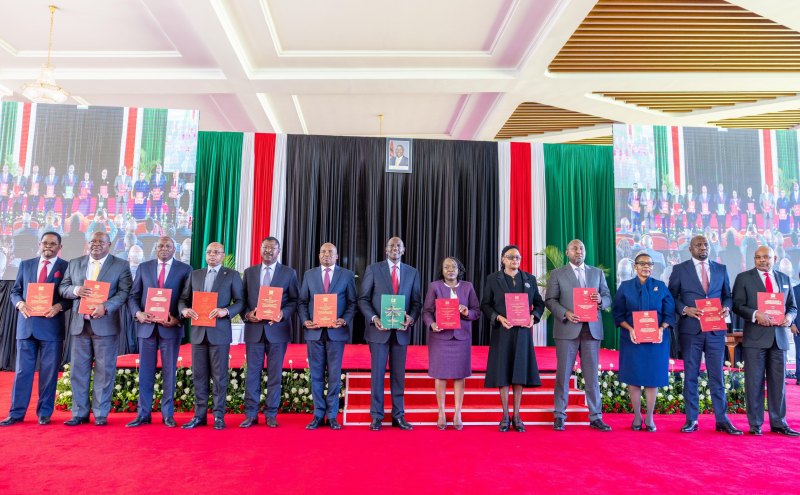
 KNCHR presents report on the Framework for Compensation and Reparations for Victims of Human Rights Violations During Protests and Picketing to President William Ruto at State House on June 15, 2026 / PCS
Victims of police brutality, torture, enforced disappearances and deaths during demonstrations could receive compensation of up to Sh2.5 million under a new framework unveiled by the Kenya National Commission on Human Rights (KNCHR).
The proposed reparations model seeks to establish a structured compensation system for victims of human rights violations, while strengthening accountability and ensuring those affected receive recognition, justice and restitution.
Under the framework, violations involving the right to life would attract the highest payouts.
Victims of fatal police shootings, deaths in custody and deaths during demonstrations would be entitled to a minimum compensation of Sh2.5 million, in addition to medical expenses incurred before death.
Victims of enforced disappearances would receive at least Sh1.5 million plus medical expenses, while survivors of torture would be compensated a minimum of Sh2 million alongside reimbursement of treatment costs.
The commission has also proposed compensation for violations involving the right to freedom and security.
Victims who suffer severe physical injuries would receive a minimum of Sh1 million plus medical expenses, while those with moderate injuries would be awarded at least Sh500,000 and medical costs.
For minor injuries, the proposed minimum compensation is Sh50,000 in addition to medical expenses.
Victims of arbitrary arrest and detention would also be entitled to a minimum of Sh50,000.
Sexual violence survivors would receive significant compensation under the framework.
Victims of aggravated sexual violence would qualify for at least Sh2 million plus medical expenses, while survivors of rape, defilement and sexual assault would receive a minimum of Sh750,000 alongside treatment costs.
The proposals also seek to cushion victims who suffer economic losses due to human rights violations.
Individuals whose businesses are disrupted or destroyed would be entitled to a minimum compensation of Sh100,000.
According to KNCHR, the compensation schedule is intended to create clear standards for redress, guarantee adequate restitution and reinforce the principle that human rights violations carry legal and financial consequences.
The recommendations come amid growing calls for justice for victims of police brutality, enforced disappearances, torture and abuses linked to demonstrations and security operations.
If adopted, the framework could become a benchmark for courts and government agencies when assessing compensation claims.
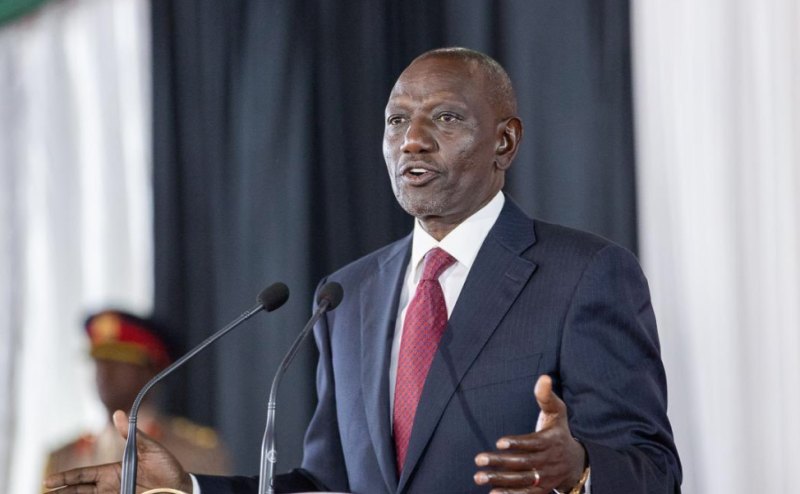
The proposals were unveiled at State House, where President William Ruto acknowledged Kenya's long and troubled history of violence during public protests.
Speaking after receiving the KNCHR report on the Framework for Compensation and Reparations for Victims of Human Rights Violations During Protests and Picketing, Ruto said successive governments had failed to adequately address the issue.
“For far too long, whenever Kenyans have exercised their constitutional and democratic rights to assemble, picket, demonstrate and petition, the outcome has too often been marked by violence, injury, loss of life, destruction of property, bitterness, and division,” Ruto said.
The President also acknowledged instances where security agencies have been accused of using excessive force during demonstrations, leading to violations of rights and loss of life.
“In some instances, the response of our security agencies to public demonstrations has involved excessive force, resulting in further violations of rights and, tragically, the loss of innocent lives,” he said.
Ruto noted that despite years of condemnation by leaders across different administrations, the problem had remained unresolved.
“For decades, successive generations of leaders have condemned these tragedies. Yet, despite those condemnations, we have not fundamentally resolved this challenge largely because it is neither simple nor easy to do,” he said.
He said the government had now resolved to take concrete action, warning that failure to address the issue would have far-reaching consequences for the country.