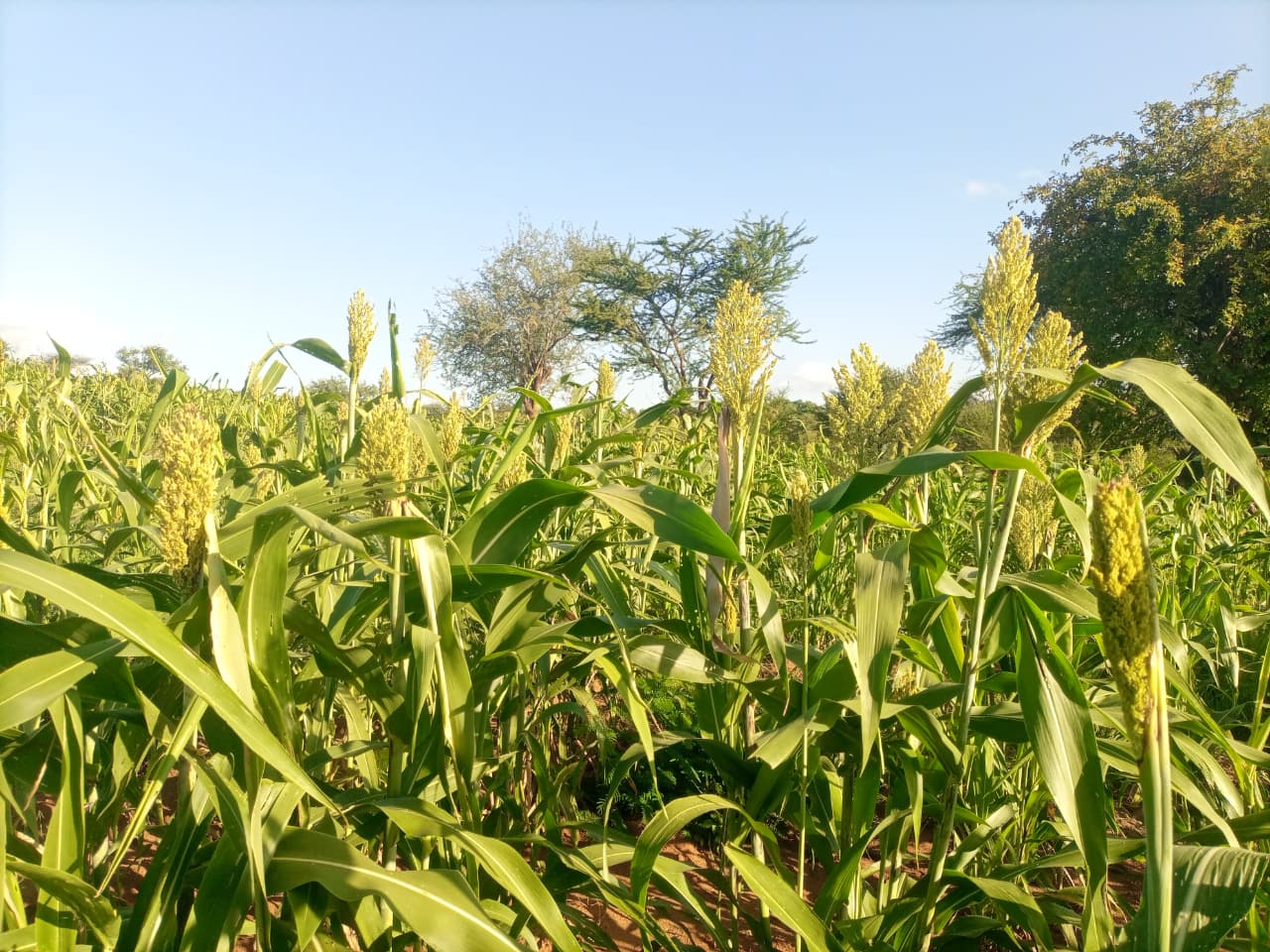
 A sorghum crop in Kyuso in Mwingi North sub-county of Kitui after the MAM rains subsided/Musembi Nzengu.
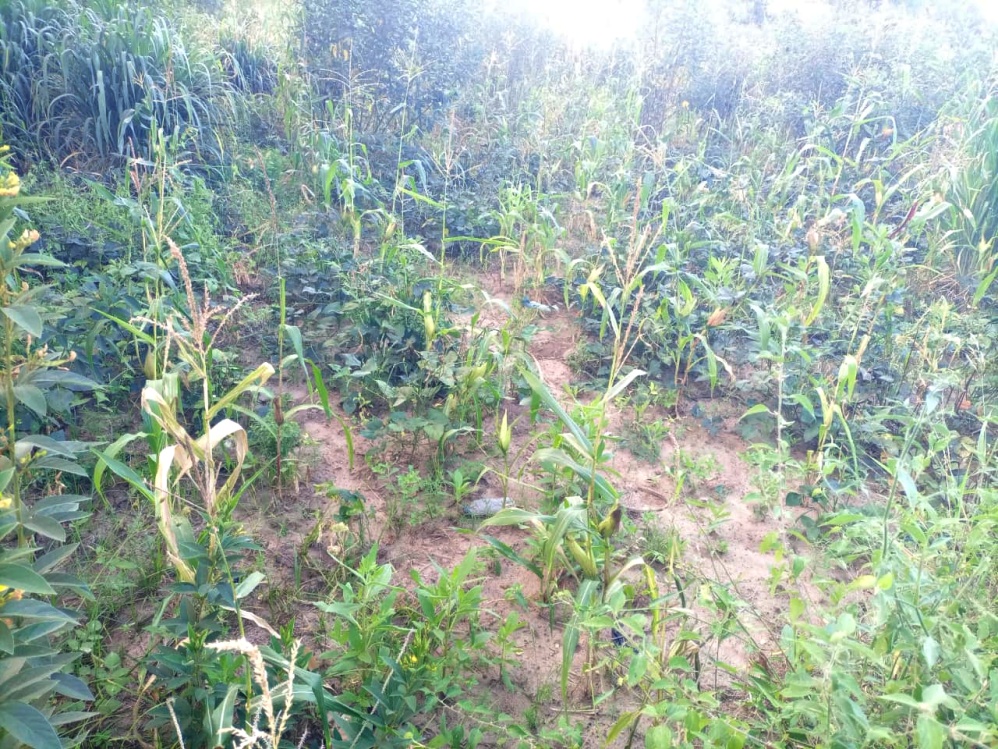 A
failing maize crop in Katulani areas of Kitui County after the last
March-April-May rainfall/ Musembi Nzengu.
A
failing maize crop in Katulani areas of Kitui County after the last
March-April-May rainfall/ Musembi Nzengu. Kitui County CEC for Agriculture and Livestock Stephen Kimwele/Musembi Nzengu.
Kitui Agriculture and Livestock executive Stephen Kimwele has expressed concern that deeply rooted cultural and traditional farming practices are undermining efforts to achieve food security in the county.
Kimwele said his department has been working to change farmers' mindsets and encourage them to adopt climate-smart agriculture and cultivate drought-tolerant crops to enhance food security.
He noted that despite years of campaigns promoting drought-tolerant crops, many farmers continue to plant water-demanding crops such as maize and beans, which often fail due to inadequate rainfall.
“The rains have become increasingly erratic and unreliable. That is why we are urging our farmers to embrace drought-tolerant crops.
“However, because many of today’s farmers found their parents and grandparents growing maize and beans, they are reluctant to abandon those crops despite their failing every now and then,” Kimwele said.
The executive was speaking during a radio talk show on Thursday morning.
He, however, noted that a significant number of farmers have responded positively to the department’s call to shift to drought-tolerant crops and are already reaping the benefits.
“Before the last March-April-May (MAM) rainy season, the agriculture department issued an advisory indicating that although the rains would arrive, there would likely be prolonged dry spells between rainfall events.
“We advised farmers not to plant beans because the expected dry period would adversely affect the crop,” Kimwele said.
He observed that some farmers ignored the advisory due to longstanding farming traditions and proceeded to plant beans, which later withered during the dry spell, resulting in poor harvests.
“It was not only beans that were affected; maize also performed poorly across the county. Farmers who planted drought-tolerant crops such as sorghum, cowpeas, green grams and millet are now enjoying better yields and higher returns,” he said.
Kimwele further highlighted the economic advantages of drought-tolerant crops, saying that in Nairobi, a kilogramme of beans currently sells for about Sh100, while cowpeas fetch around Sh200 per kilogramme.
He said this is another reason why farmers should intensify the cultivation of green grams, which sell for more than Sh100 per kilogramme, compared to maize, which sells for about Sh60.
The official maintained that the widespread adoption of drought-tolerant crops offers the most sustainable solution to the recurrent food shortages that have plagued Kitui county for many years.
“For Kitui to break free from the vicious cycle of famine, farmers must embrace the cultivation of drought-tolerant crops. That is the surest path to food security and improved livelihoods,” Kimwele said.