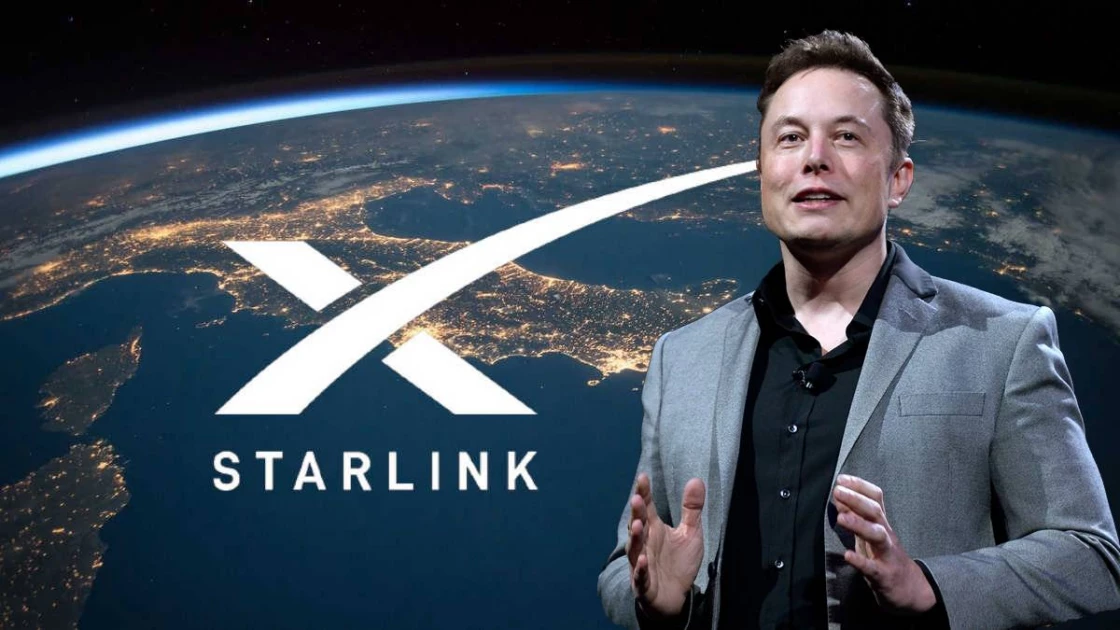
 SpaceX founder Elon Musk/COURTESY
Billionaire entrepreneur and SpaceX founder Elon Musk has spotlighted Kenya as a success story in the use of Starlink satellite internet to bridge the digital divide in education.
Musk cited significant gains in digital literacy among students and teachers in remote parts of the country.
Praising Starlink's impact in Kenya, Musk wrote: “Starlink helping schools in Kenya”, amplifying growing recognition of the satellite internet service's role in expanding connectivity to underserved learning institutions.
According to Starlink's official X account, the company is currently providing internet connectivity to 30 schools in remote areas across Kenya, helping improve digital literacy and access to online learning resources for both students and teachers.
The impact of the initiative was highlighted by Grow X Education, a global education organisation working with schools in Kenya.
In a post on X, the organisation recounted the story of a Kenyan school leader who drove nine hours to collect a Starlink kit for her school, which previously had little to no reliable internet access.
Just one month after installation, the organisation reported remarkable improvements in digital learning outcomes.
The proportion of teachers using digital tools in classrooms increased from 57 per cent to 82 per cent, while the number of students completing digital tasks doubled from 18 per cent to 36 per cent.
“Starlink is closing the digital literacy gap,” Grow X Education said.
The organisation detailed the findings in a report titled Starlink for Education: Bridging the Global Digital Divide at Scale, released on June 9.
The report argues that limited internet access remains one of the biggest barriers to quality education across much of the Global South, including Africa, where millions of students are unable to fully participate in modern, technology-driven learning.
“Connectivity and technology have transformed learning into highly interactive, personalised experiences,” the report states, noting that the absence of reliable internet access risks widening educational inequalities between connected and unconnected communities.
Grow X Education said its experience in Kenya revealed both the challenges and opportunities associated with digital learning.
The organisation has worked for the past two and a half years with the Centre for Mathematics, Science and Technology Education in Africa (CEMASTEA), a Ministry of Education institution, to support the implementation of Kenya's Competency-Based Curriculum.
During a teacher training programme conducted in August 2025, the organisation introduced educators to digital learning platforms and social-emotional learning tools.
However, it discovered that poor internet connectivity in many schools limited the effectiveness of the initiative.
Despite the connectivity challenges, the organisation said students, teachers and school administrators consistently expressed a strong desire to embrace digital learning and gain access to global educational resources.
SpaceX's Starlink network uses low-Earth orbit satellites to deliver high-speed internet services to locations that are difficult or expensive to connect through conventional broadband infrastructure.
The technology has increasingly been deployed in rural and remote communities worldwide.
The latest recognition from Musk places Kenya among countries demonstrating how satellite internet technology can help overcome longstanding infrastructure barriers and expand educational opportunities for learners who have traditionally been left behind in the digital age.