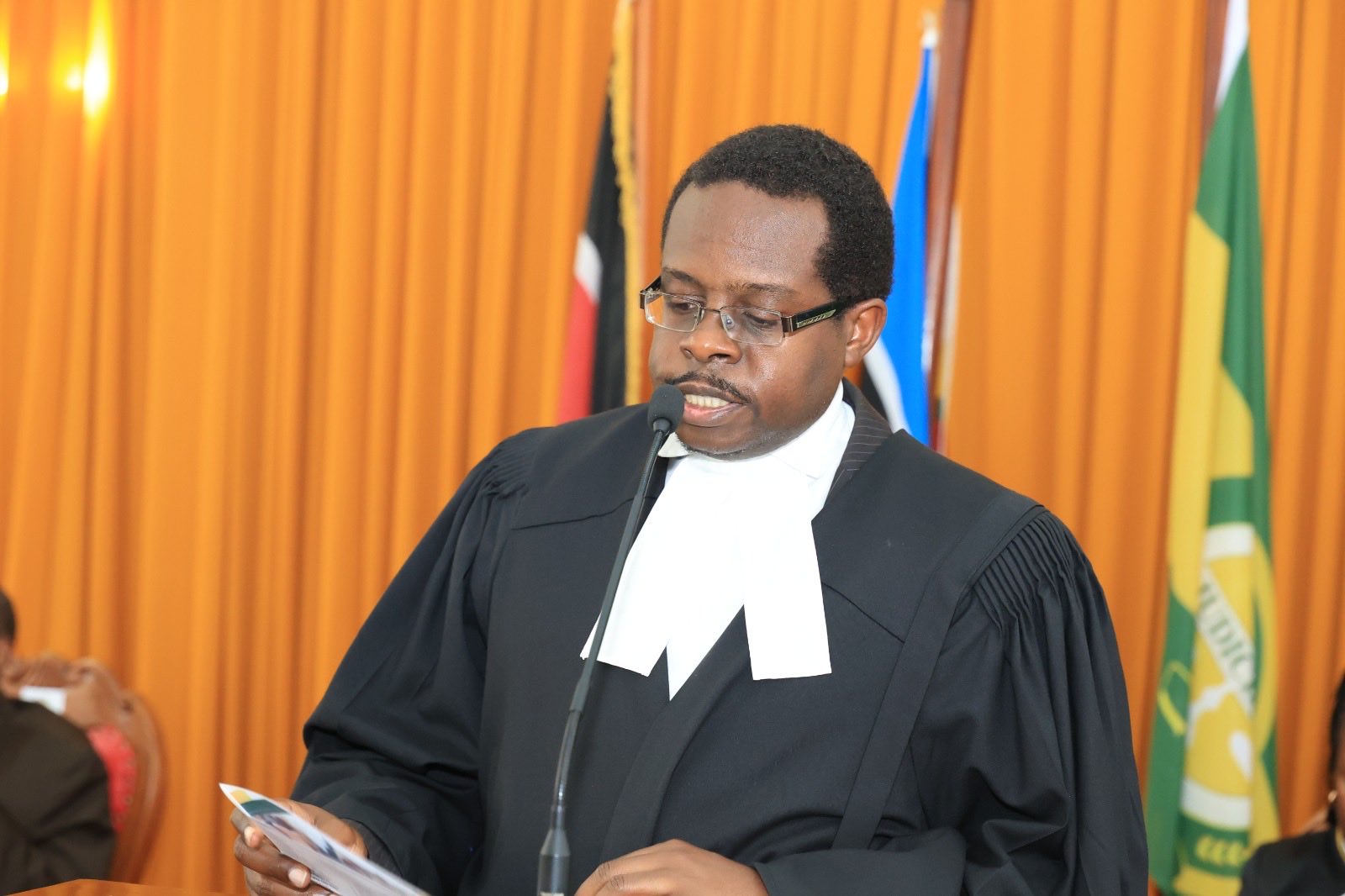

Education Cabinet Secretary Julius Ogamba has attributed the recent wave of unrest in secondary schools to a combination of leadership challenges, examination anxiety, poor living conditions, drug abuse and peer influence.
Speaking on the situation affecting schools across the country, Ogamba said preliminary reviews conducted by the Ministry of Education indicate that the unrest has affected only a small fraction of learning institutions.
According to the CS, fewer than two per cent of the country's senior schools have experienced unrest, meaning that more than 98 per cent remain stable and are operating normally.
"As a Ministry, we have undertaken preliminary reviews of most of the cases. From our analysis of reports across the country, less than two per cent of the country's senior schools have been affected by unrest, meaning that over 98 per cent of schools remain stable and continue normal operations," he said.
Ogamba noted that the disturbances have largely been reported in boarding schools, while day schools have remained relatively unaffected.
The ministry has so far received reports of unrest in 204 senior schools nationwide. However, learners in 59 of the affected schools have already returned and resumed learning, with more expected to do so in the coming days.
He assured parents that learning in lower grades has not been disrupted.
"Learners in Grades 1 to 9 are proceeding with their studies, with no significant interruption reported. Our basic education system is running smoothly, except for the disruption in boarding senior schools," he said.
The CS identified several factors behind the unrest, including leadership problems within institutions, learner anxiety and examination-related pressure, poor conditions in boarding facilities, alcohol and drug abuse, strenuous school routines and peer influence.
"The unrest appears to be driven by a variety of factors, including leadership challenges in institutions; learner anxiety and examination-related stress; poor school conditions, especially in boarding sections; alcohol and drug abuse; strenuous school routines; peer influence and copycat behaviour, with learners demanding to be released early from school," he said.
Ogamba reminded school heads that they have both a legal and moral responsibility to address emerging challenges promptly and ensure the safety and well-being of learners.
The government, he said, is committed to addressing the unrest comprehensively and has called on all stakeholders to play their role in safeguarding the education system.
"This worrying pattern of unrest summons all of us to engage in collective reflection about our children and their future. It is our shared responsibility as education sector players from the Government, parents, guardians, leaders, policymakers, school heads and teachers to ensure that our education system serves the best interests of our children," he said.
The CS also urged parents, teachers and school administrators to continue guiding learners and promoting discipline, noting that the majority of students have remained focused on their studies despite the recent incidents.
"It is our duty, a sacrosanct one, to nurture our children in the values and virtues that will grow them into law-abiding and responsible citizens who will contribute meaningfully to the development, and not the destruction, of our great Republic," he said.