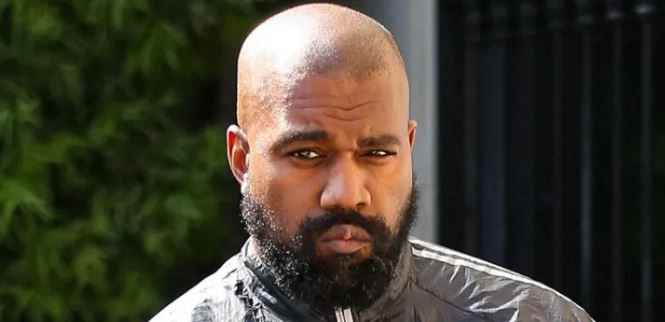
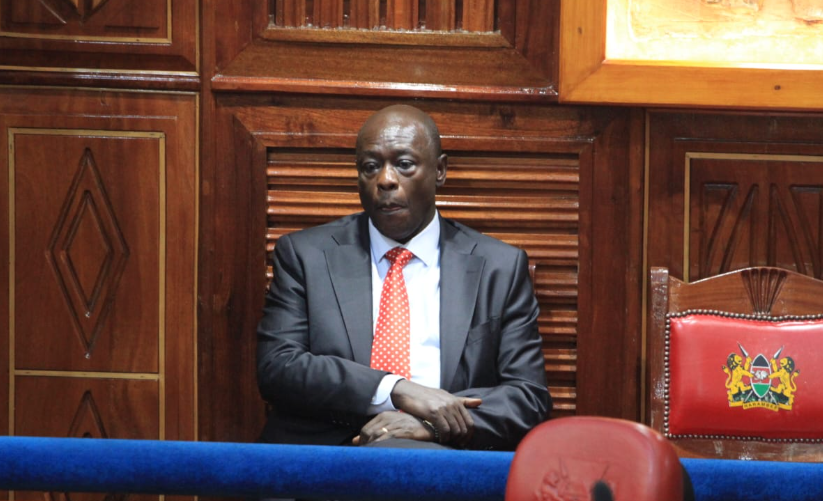
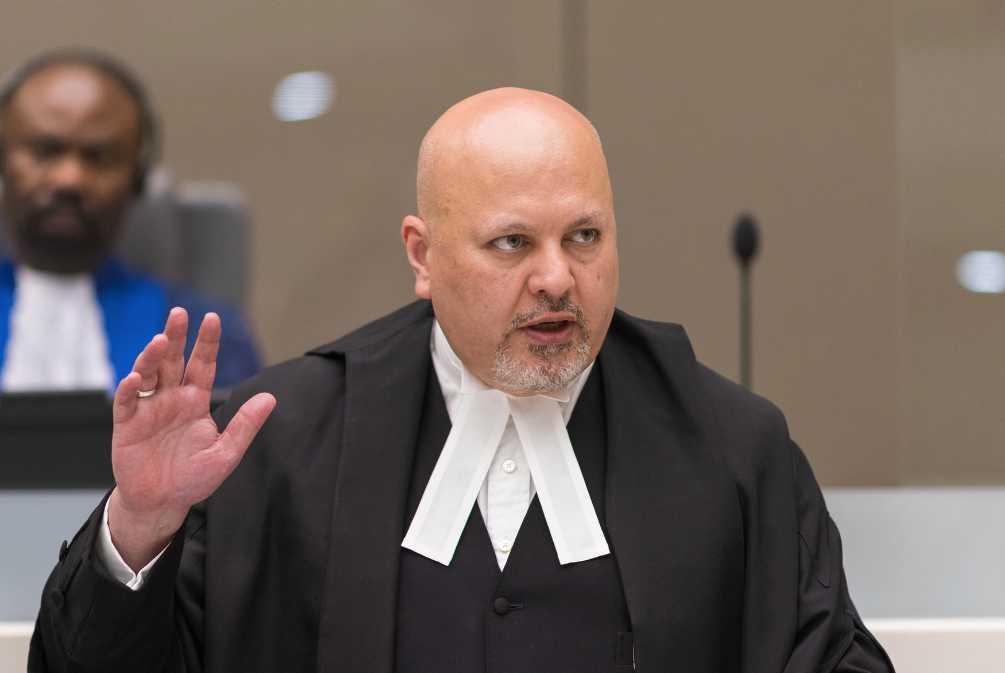
 Suspended ICC chief prosecutor Karim Khan/SCREENGRAB
Karim Ahmad Khan, a man at the centre of sexual misconduct allegations, is one of the most recognisable figures in international criminal justice, having served as the chief prosecutor of the International Criminal Court (ICC) since June 2021.
A British barrister with decades of experience in international law, Khan has been involved in some of the world's most high-profile criminal cases, representing both defendants and victims in international tribunals.
Born in Edinburgh, Scotland, in 1970, Khan comes from a family with a strong legal and political background.
He studied law at King's College London and was called to the Bar in England and Wales in the early 1990s.
Over the years, he built a reputation as a skilled advocate, appearing before courts and tribunals dealing with war crimes, crimes against humanity, genocide and terrorism.
Before becoming ICC Prosecutor, Khan worked in several international judicial institutions.
He served as a prosecutor at the International Criminal Tribunal for the former Yugoslavia (ICTY) and later appeared before the International Criminal Tribunal for Rwanda (ICTR).
His work took him to conflict zones and post-conflict societies where he handled cases involving some of the most serious crimes under international law.
Khan gained international prominence through his role as defence counsel in a number of high-profile cases.
Among his most notable clients was Kenyan President William
Ruto. Khan led Ruto's legal team during proceedings at the ICC arising from the
2007-08 post-election violence in Kenya.
The case against Ruto and journalist Joshua Sang was eventually terminated in 2016 after judges found that the prosecution's evidence was insufficient to sustain a conviction.
Because of his previous involvement as Ruto's lawyer, Khan recused himself from any ICC matters relating to Kenya after assuming office as Chief Prosecutor.
The move was intended to avoid any perception of a conflict of interest and to maintain public confidence in the court's impartiality.
Khan was elected ICC Prosecutor by member states of the Rome Statute in February 2021 and formally took office on June 16, 2021.
As Chief Prosecutor, he became responsible for investigating and prosecuting individuals accused of genocide, crimes against humanity, war crimes and the crime of aggression.
His office handles investigations in numerous countries and regions across the world.
Since taking office, Khan has overseen some of the ICC's most consequential investigations.
These include inquiries relating to the war in Ukraine, conflicts in Sudan, the Democratic Republic of Congo and other regions experiencing violence.
He gained international attention when he applied for arrest warrants against Israeli Prime Minister Benjamin Netanyahu and then-Defence Minister Yoav Gallant for alleged war crimes and crimes against humanity in Gaza.
He also sought warrants against Hamas leaders, including
Yahya Sinwar, in connection with the October 7, 2023 attacks on southern
Israel.
Those moves made Khan one of the first individuals to be sanctioned by the United States, which, as a close ally of Israel, condemned the warrants in strong terms.
Khan’s tenure has been marked by efforts to make the court more efficient and responsive to victims while also navigating the political sensitivities that often surround international criminal investigations.
Khan has repeatedly emphasised that international justice should apply equally to all individuals regardless of their political position, nationality or status. He has argued that accountability is essential in preventing future atrocities and strengthening respect for the rule of law.
His work has not been without controversy. Like many
international prosecutors before him, Khan has faced criticism from different
governments and political actors unhappy with ICC investigations.
Some countries have accused the court of selective justice, while human rights organisations have at times urged faster action in ongoing investigations.
At the moment, Khan, has been suspended from his position after the tribunal's governing body concluded a probe into sexual misconduct allegations.
The Bureau of the Assembly of States Parties voted to refer his case to disciplinary proceedings.
It announced that all 125 ICC member states will convene in a special session to vote on Khan's fate.
The bureau, the executive committee of the court's oversight body, said its referral was informed by a United Nations investigation report, advice from an ad hoc panel of judicial experts, and written submissions, though it did not disclose the substance of its findings.
"The decision is unlawful, procedurally unfair and unsupported by evidence,” Khan's lawyers said in a statement.
Khan's legal team responded sharply, saying he rejected the decision in the strongest terms and again denied any wrongdoing.
His lawyers had previously argued that a three-judge panel reviewing the UN probe's findings had unanimously concluded that the evidence did not establish misconduct or a breach of duty.