
Former Chief Justice David Maraga was reportedly arrested on Monday during demonstrations opposing a controversial infrastructure project inside Nairobi National Park.
The incident has ignited fresh debate over conservation, public participation and the right to peaceful protest.
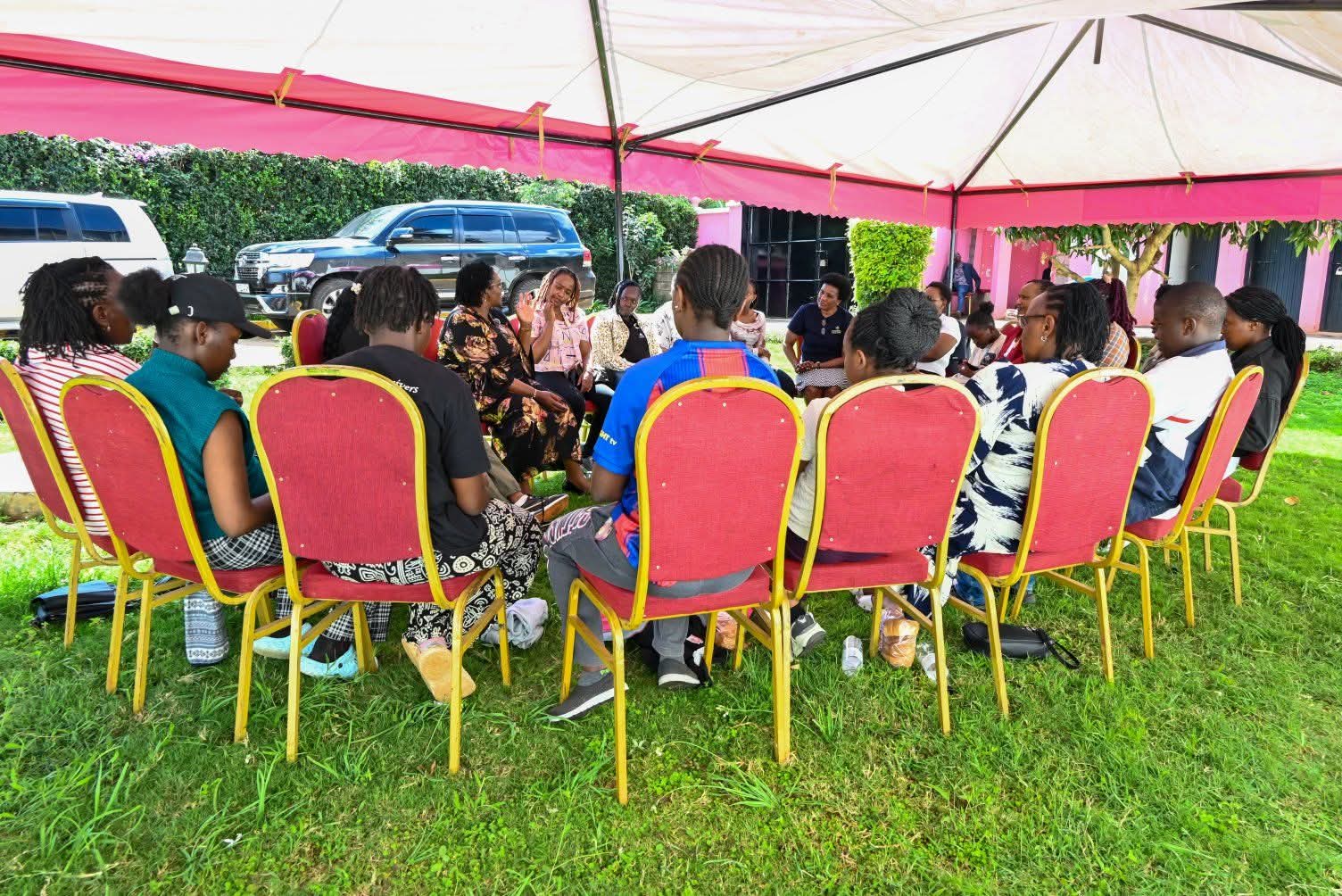
Maraga was among a group of environmental activists, conservationists and concerned citizens who had gathered outside the park to protest plans that critics say threaten one of Kenya's most important wildlife habitats.
Videos circulating widely on social media appeared to show the former Chief Justice being bundled into a police vehicle alongside other demonstrators.
The reported arrest immediately drew condemnation from rights groups, with Amnesty International Kenya expressing solidarity with the protesters and calling for greater public involvement in decisions affecting the country's environmental heritage.
But police denied they had arrested the group. The police said they facilitated them from the road to the station to file their petition.
“He was facilitated to the station to petition. Those who were with him joined him. No one was arrested,” said an officer at the scene. The group was driven to the station in a police lorry.
In a statement, Amnesty said Nairobi National Park belongs to all Kenyans and should not be subjected to decisions made without adequate public participation.
"We want to categorically state that Nairobi National Park is not for sale; our public spaces, our environment and our rights cannot be traded away behind closed doors," Amnesty International Kenya said.
The rights lobby argued that the dispute goes beyond environmental concerns and touches on broader issues of governance, accountability and citizens' constitutional rights.
It maintained that development projects must not be pursued at the expense of public participation, environmental protection and the rule of law.
At the centre of the controversy is an ongoing project being undertaken within Nairobi National Park following approval by the National Environment Management Authority (NEMA).
The project involves clearing approximately 76 acres of indigenous upland forest after the conversion of 31 hectares previously designated as a protected low-use zone.
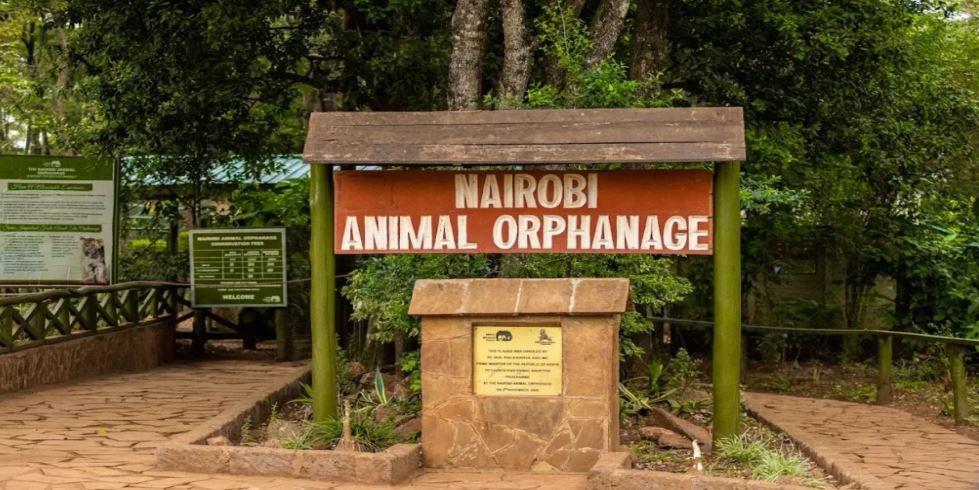
According to project documents, the land is intended to host a relocated Nairobi Animal Orphanage featuring modern wildlife treatment facilities and larger, more natural enclosures. The development also includes plans for an eight-acre parking area to serve both the orphanage and the proposed Sh41.9 billion Bomas International Convention Centre.
Additionally, authorities plan to construct a pedestrian overpass across Lang'ata Road to link the new conservation facilities with the convention complex.
However, critics argue that the scale and nature of the development blur the line between wildlife conservation and commercial infrastructure.
Conservation groups have voiced concerns that the clearing of indigenous forest could disrupt fragile ecosystems, undermine park zoning regulations and set a dangerous precedent for future encroachment into protected areas.
Friends of Nairobi National Park has already petitioned the Senate and filed cases before the High Court, alleging irregularities in procurement processes and inadequate public participation.
The group argues that decisions affecting protected conservation areas must be subjected to rigorous environmental scrutiny and extensive public consultation.