
South Korea has moved to deepen its economic and development footprint in Kenya with two key offices in Nairobi.
Following
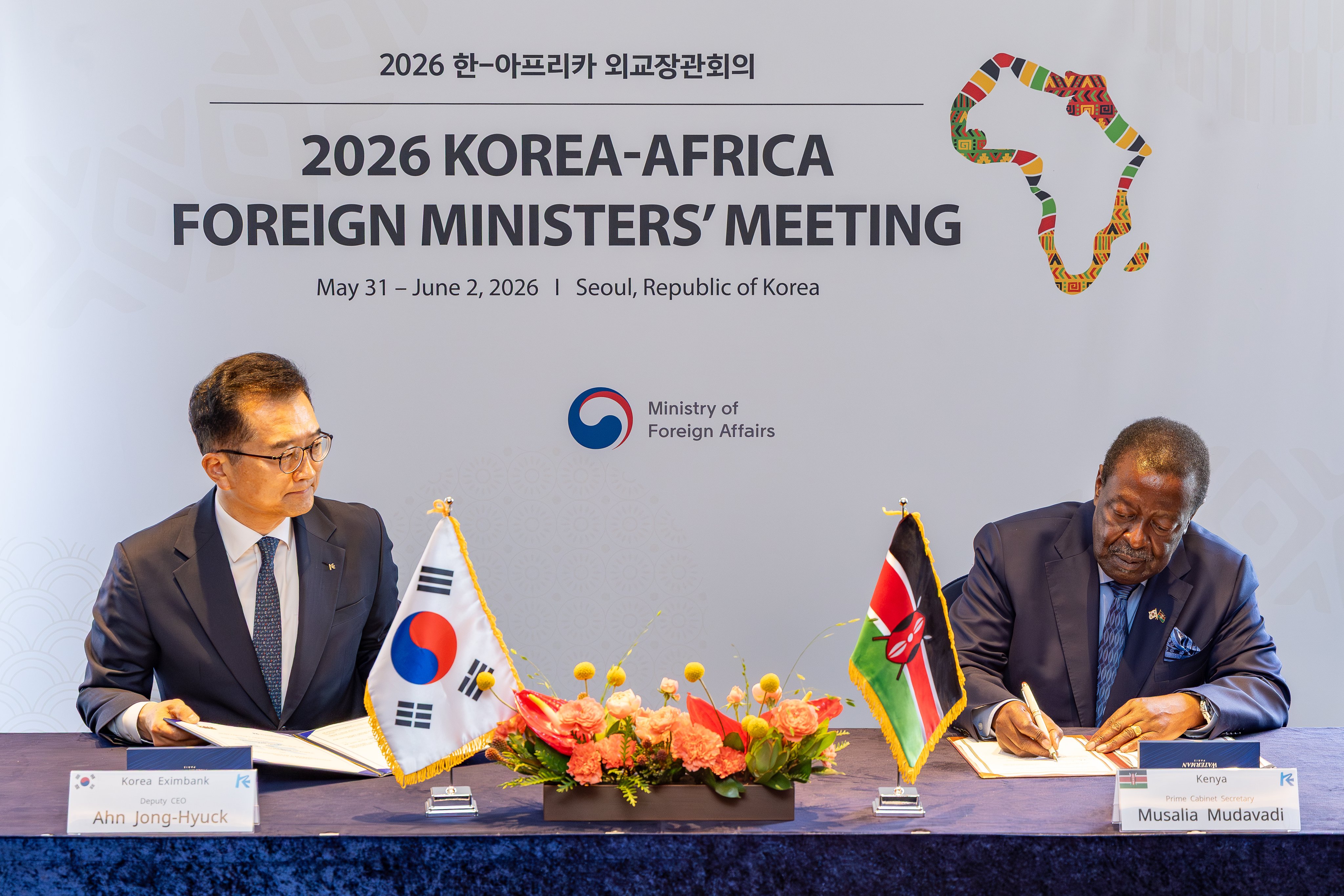
Foreign Affairs CS Musalia Mudavadi’s visit of Seoul, the two states signed two
agreements to establish permanent offices for the Korea Exim Bank (Kexim) and
the Korea International Cooperation Agency (Koica) in Nairobi.
The
agreements, signed on the sidelines of the Korea-Africa Foreign Ministers’
Summit, signal growing South Korean interest in Kenya as a regional economic,
diplomatic and technology hub amid increasing competition for influence and
investment opportunities in Africa.
The Kexim
Representative Office in Nairobi is expected to strengthen infrastructure
financing, investment facilitation and project development not only in Kenya
but across the wider East African region.
Mudavadi
said the new office would help attract more Korean investors and deepen private
sector confidence in Kenya’s economy.
“Through
its presence in Nairobi, Kexim will strengthen partnerships with governments,
institutions and businesses, while supporting strategic development projects
through financial and technical assistance,” he said.
The Host
Country Arrangement was signed with Kexim deputy CEO Jong Ahn.
The
establishment of a Koica Country Office in Kenya also marks a significant
expansion of South Korea’s development cooperation in the country.
Koica,
South Korea’s official development agency, is already implementing projects in
Kenya focused on education, climate resilience and public health. The new
office is expected to broaden cooperation into technology transfer,
infrastructure development, youth empowerment and public sector capacity
building.
The deals
emerged as Kenya seeks to position itself as a gateway for Asian investment
into Africa, while pursuing ambitious industrialisation and digital
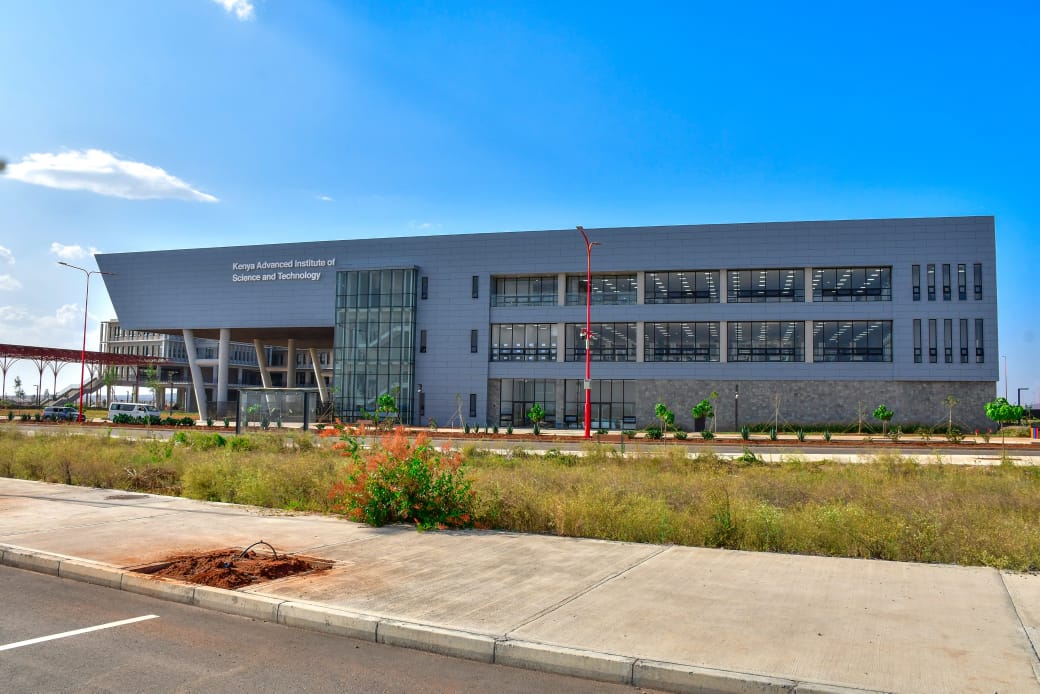
transformation plans under projects such as Konza Technopolis and the Kenya
Advanced Institute of Science and Technology (Kenya-AIST).
During
bilateral talks with South Korean Foreign Affairs Minister Cho Hyun, Mudavadi
pushed for deeper collaboration in technology, innovation, manufacturing,
health, maritime affairs and defence.
The two
countries also discussed expanding market access for Kenyan products, boosting
tourism and increasing technology transfer partnerships.
Mudavadi
said Kenya was keen on learning from South Korea’s development model,
particularly its success in aligning education, technical training and
industrial growth.
The Prime
CS toured the Gyeonggi University of Science and Technology in Siheung City,
where he praised South Korea’s technical and vocational training ecosystem as a
model that could support Kenya’s industrial ambitions.
“A walk
through the university’s workshops and laboratories reflected Kenya’s own
ambition to strengthen technical and vocational training as a key pillar of
economic transformation, innovation and industrial growth,” Mudavadi said.
He added
that Kenya was seeking stronger partnerships in student exchanges, joint
research, faculty cooperation and technology transfer as the government expands
the Technical and Vocational Education and Training sector.
The visit
also underscored Kenya’s broader foreign policy shift towards diversifying
partnerships beyond traditional Western allies and China, with Seoul
increasingly emerging as a strategic development and technology partner. It was
among the first destinations for President William Ruto’s foreign travels in
2022.
At the
Korea-Africa Ministers’ Meeting, discussions focused on trade, critical
minerals, infrastructure, resilient supply chains, climate action, agriculture,
health, peace and security cooperation.
Mudavadi
used the summit to market Kenya as a stable investment destination and regional
hub for innovation, manufacturing and value addition.
He
highlighted ongoing Korean support for flagship projects, such as Konza
Technopolis and Kenya-AIST, saying the partnerships were helping position Kenya
as a centre for technology and industrial growth in the region.
Mudavadi
held engagements with students and lecturers at Sungkyunkwan University, one of
South Korea’s oldest institutions of higher learning, where discussions focused
on diplomacy, global security and expanding people-to-people ties between Kenya
and South Korea.
The
establishment of permanent Korean financing and aid offices in Nairobi could
significantly boost Kenya’s attractiveness to Asian investors by easing
coordination of development projects and expanding access to concessional
financing and technical expertise.
The
developments also reinforce Nairobi’s growing role as a regional base for
international development agencies, multilateral institutions and foreign
investors targeting East and Central Africa.


![[PHOTOS] Linda Mwananchi takes Trans Nzoia by storm](https://cdn.radioafrica.digital/image/2026/07/0d132395-ad4b-4671-867e-880c9f8144f5.webp)