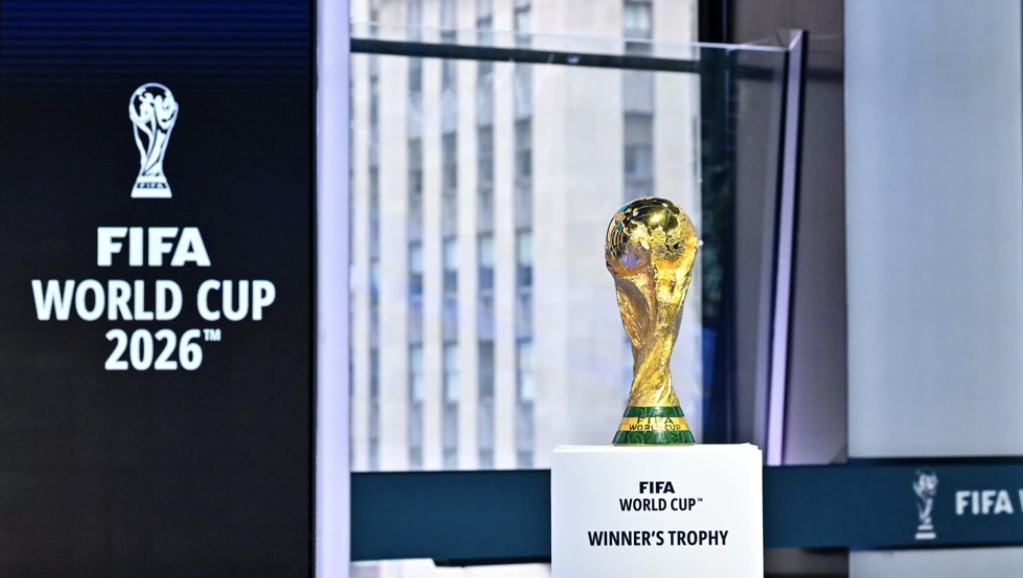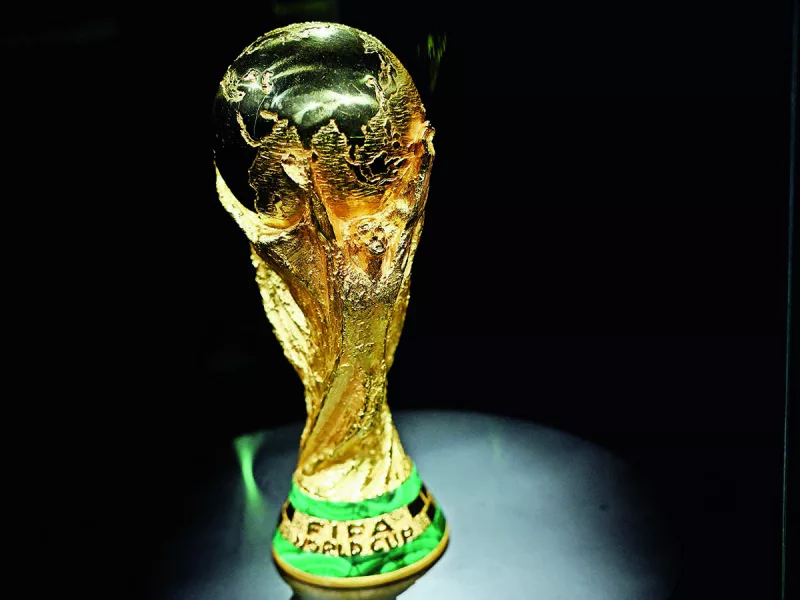
Kenyans will now be able to watch the upcoming FIFA World Cup competition after the government approved funding to support its broadcast on the national broadcaster.
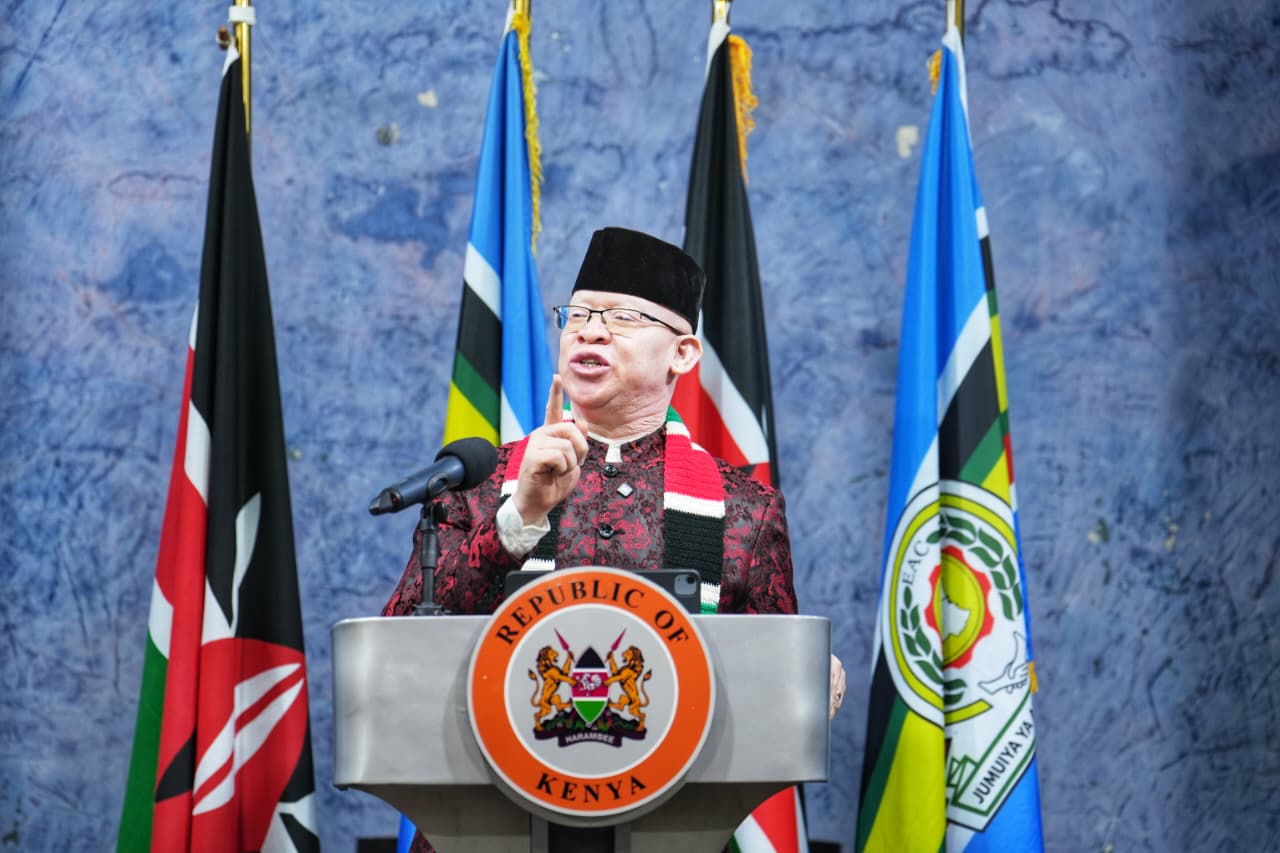
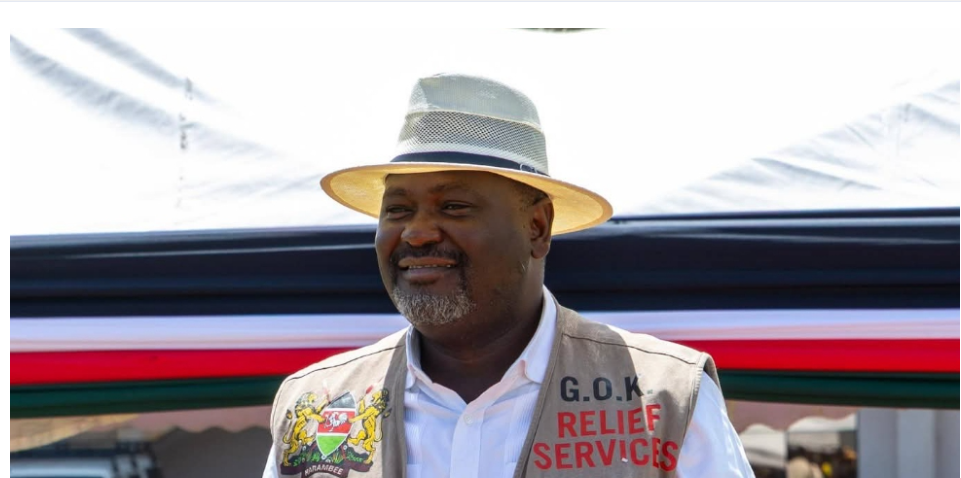
Treasury Cabinet Secretary John Mbadi revealed that funding challenges that had threatened to derail plans by the Kenya Broadcasting Corporation (KBC) to air the global football tournament have now been resolved.
The CS said he held discussions with KBC Managing Director and confirmed that the necessary support had been approved.
"World Cup is coming in a couple of days' time, and we are looking forward to this football extravaganza," Mbadi said.
"I know we had some challenges in sponsoring KBC to air it, but we have unlocked that."
The remarks are likely to come as a relief to football fans across the country who had expressed concerns over uncertainty surrounding access to the tournament.
Mbadi said the government had already approved funding to facilitate the broadcast despite budgetary constraints facing the country.
"I actually spoke to the MD, and there is something she's working on. We have already approved funding from the national government to support the airing," he said.
"We delayed, of course, you know the challenges we are now facing, but I am sure Kenyans will get the opportunity to enjoy and watch the World Cup."
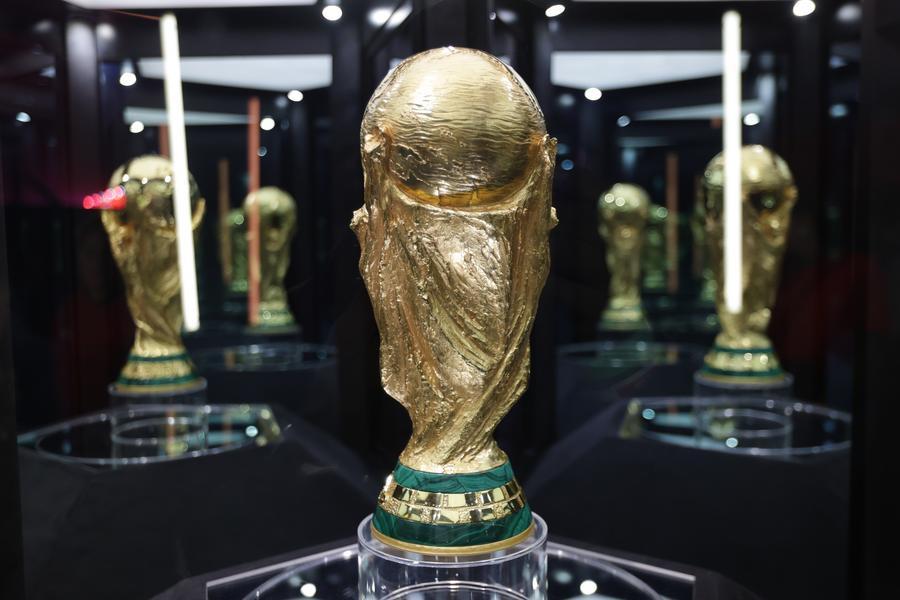
The expanded FIFA World Cup is expected to attract global attention, bringing together some of the world's biggest football clubs and stars in a month-long competition.
It is set to run from June 11 to July 19, 2026.
It is jointly hosted by the United States, Canada, and Mexico, and will feature a record 48 teams.
The tournament is seen as one of the most significant events on the international football calendar and is expected to draw large television audiences worldwide.
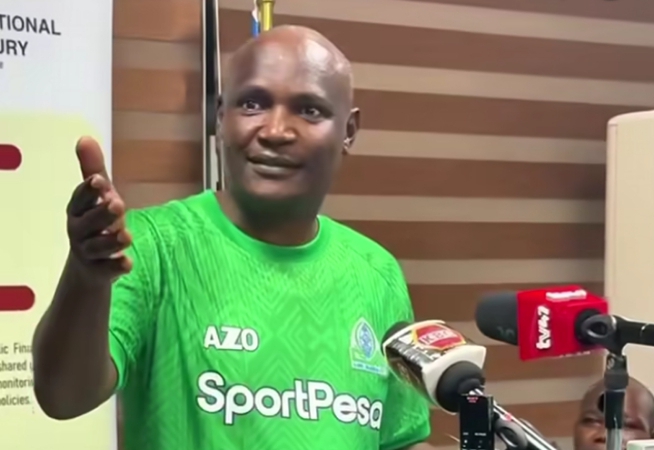
"I don't know which team to support, to be honest. I have no preferred team up to now," he said.
The assurance from Treasury comes amid efforts by the government to maintain public access to major sporting events through the national broadcaster.
KBC has traditionally partnered with government agencies and rights holders to ensure that major international sporting competitions are accessible to Kenyan audiences, particularly those unable to subscribe to pay television services.