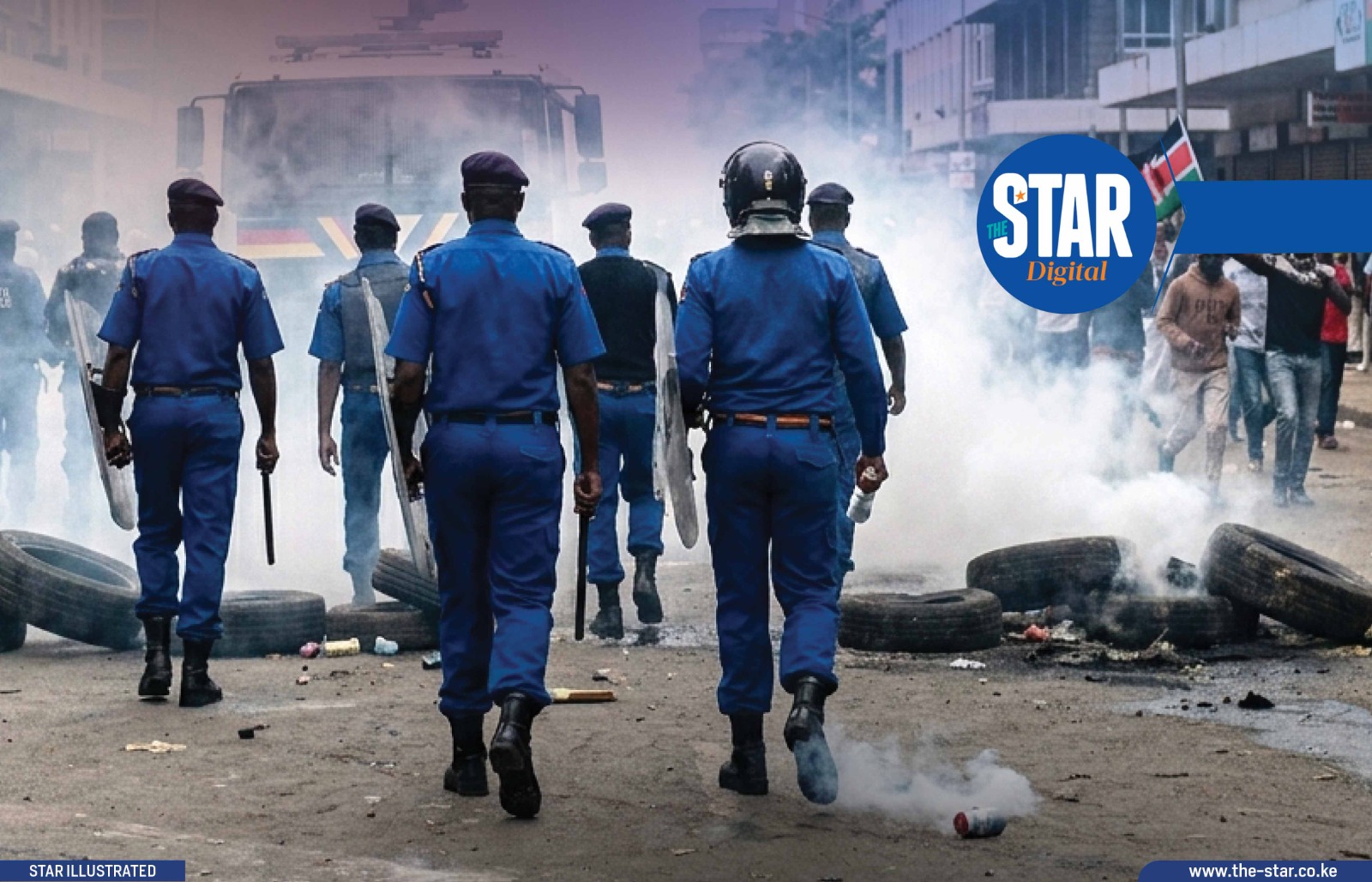
Monthly police killings in 2025, in Kenya
Data reveals a total of 125 lives lost across the year.
2mon agoWILLIAM WANYOIKEInfographics
Data shows that 49 people were killed by police between January and May 2026.


Audio By Vocalize
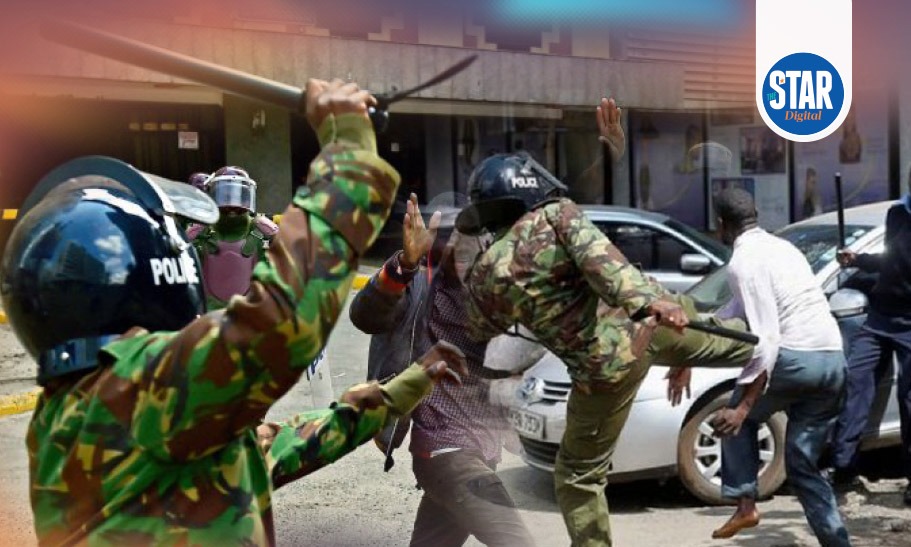
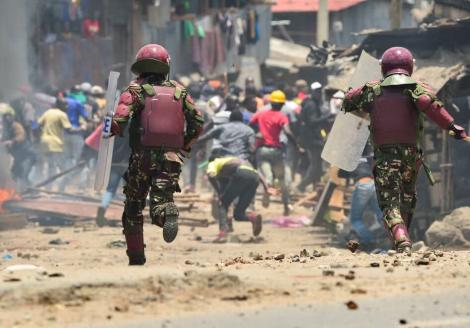 Police in action during a past protest/COURTESY
Kenya recorded its deadliest month of the year in May, with 24 people killed by police, nearly half of all police-related deaths documented in the country since January, according to data released by the Missing Voices Coalition.
The figures point to a sharp escalation in the use of force by law enforcement officers during a period marked by anti-government demonstrations, rising fuel prices and growing public discontent over the cost of living.
Data compiled by the coalition shows that 49 people were killed by police between January and May 2026.
While fatalities had been rising steadily throughout the year, May witnessed a dramatic surge, accounting for almost half of all recorded deaths.
Four people were killed in January, six in February, six in March and nine in April before the figure jumped to 24 in May.
According to the coalition, the trend raises fresh concerns about police accountability and the methods being employed to manage public assemblies and protests.
"May was the deadliest month of 2026 so far, with 24 police killings recorded," the coalition said in its latest analysis.
A breakdown of the figures shows that demonstrations were at the centre of the deadly month. Of the 24 deaths recorded in May, 21 occurred during police operations linked to public protests.
At least 19 people were killed during anti-fuel price demonstrations held on May 18 and 19, while two others died during protests by boda boda operators who were demonstrating against alleged police harassment.
The figures suggest that crowd-control operations have become the single biggest source of police-related fatalities this year.
The deaths were reported in seven counties, highlighting the nationwide nature of both the protests and the police response. Kiambu recorded the highest number of fatalities at seven, followed by Nairobi with six and Nakuru with four.
Busia recorded three deaths, while Vihiga, Nyeri and Kakamega registered two, one and one respectively.
Human rights advocates say the geographical spread points to broader concerns regarding public-order policing rather than isolated incidents involving individual officers.
The deaths have reignited debate over the protection of constitutional rights and the role of police during public demonstrations.
Article 37 of the Constitution guarantees every person the right to assemble, demonstrate, picket and present petitions to public authorities peacefully and unarmed.
The killing of 21 people during demonstrations in a single month has therefore intensified scrutiny of police conduct and renewed calls for adherence to constitutional and international human rights standards governing the management of public assemblies.
Rights groups argue that the figures expose a widening gap between constitutional protections and the experiences of citizens exercising their democratic freedoms.
The data also shows that concerns extend beyond street protests.
The coalition documented three deaths in police custody during May. Combined with one custodial death recorded in April, the total number of people who have died while in police custody this year has risen to four.
Deaths in custody are considered among the most serious human rights violations because detainees are entirely under the protection and control of the state.
The coalition also recorded three cases of enforced disappearances during the first five months of the year, adding to concerns about accountability within the country's security agencies.
"The continued occurrence of custodial deaths and enforced disappearances underscores the need for thorough, transparent and independent investigations," the coalition said.
Human rights organisations have repeatedly called for stronger oversight mechanisms to ensure officers implicated in unlawful killings are held accountable and that affected families obtain justice.
The latest figures come against the backdrop of growing economic pressures that have triggered demonstrations in several parts of the country.
Governance experts say the recurring fatalities highlight the need for reforms in public-order policing, with greater emphasis placed on de-escalation, dialogue and the facilitation of peaceful assemblies.
They argue that police responses to protests should prioritise the protection of life and constitutional freedoms while ensuring public safety.
The Independent Policing Oversight Authority (IPOA), which is mandated to investigate deaths and injuries arising from police action, is expected to come under renewed pressure to expedite investigations into recent fatalities.
As public demonstrations continue to feature prominently in Kenya's political and economic landscape, the conduct of law enforcement officers is likely to remain under intense public scrutiny.
Data reveals a total of 125 lives lost across the year.
Men are far more likely to be killed by police, making up 90 per cent of victims.