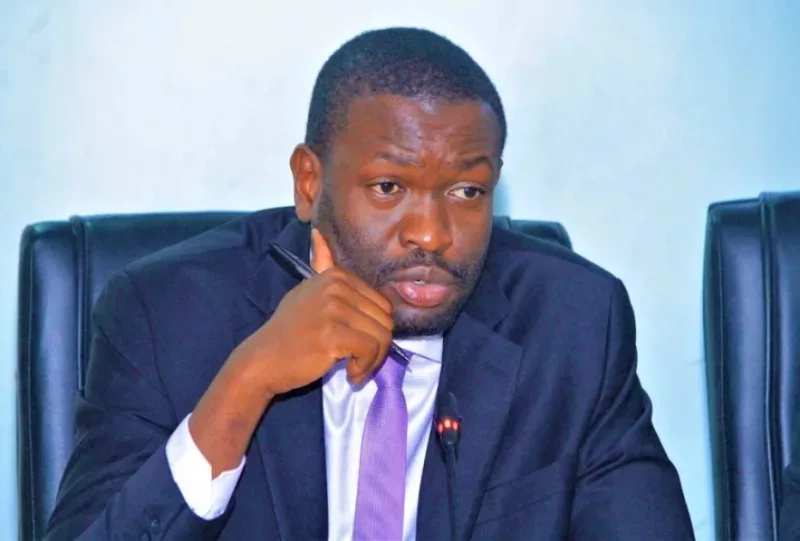
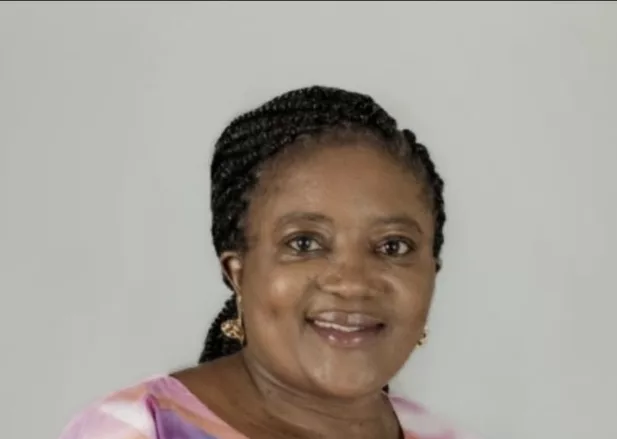
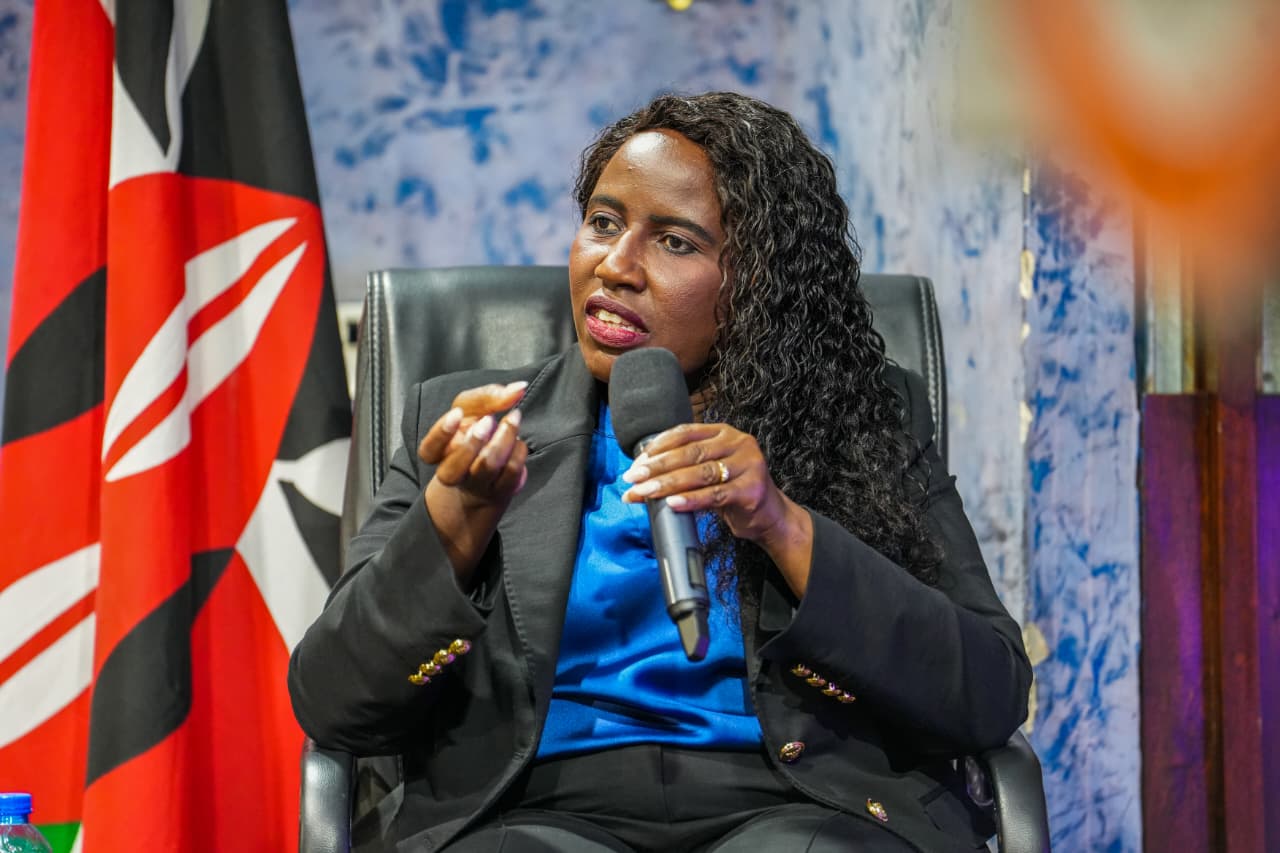
 Principal Secretary for Higher Education Beatrice Inyangala /HANDOUT
Thousands of learners who previously missed out on university education are now getting a second chance to pursue higher education through the Open University of Kenya, as the institution continues to expand flexible entry pathways and digital learning models.
According to the government, the Open University of Kenya is rapidly transforming access to higher education just two years after its establishment.
While speaking at the Sema na Spox – Bonga na Gava hosted by Government Spokesman Isaac Mwaura, Principal Secretary for Higher Education Beatrice Inyangala said the university opens doors for learners who were previously locked out of traditional university entry systems.
The PS said the institution currently hosts about 24,000 learners drawn from 54 countries worldwide. Of these, 9,000 are enrolled in degree programmes, while 15,000 are pursuing short professional courses.
“The Open University is a historic breakthrough after nearly two decades of planning and consultations aimed at creating a flexible learning institution. The online learning model is now enabling students from different parts of the world to study Kenyan programmes remotely, strengthening the country’s position in digital education and global academic collaboration,” Inyangala said.
A key feature driving increased enrolment is the university’s flexible admission framework, which allows learners who did not meet the traditional C+ KCSE university entry requirement to pursue studies through alternative qualifications.
The model considers work experience, diploma studies, and professional certifications, enabling many adults and working professionals to re-enter the education system. The PS said the approach is especially beneficial for individuals who missed university opportunities due to financial hardship or other life circumstances.
The initiative is increasingly being viewed as a major shift toward lifelong learning and inclusive education in Kenya.
The Open University’s online learning model is also extending Kenya’s higher education footprint beyond national borders, allowing students from 54 countries to enroll in Kenyan academic programmes remotely.
She said this digital model is strengthening Kenya’s position in global academic collaboration while offering flexible access to quality education regardless of geographical location.
At the same time, the government is pushing for wider integration of digital skills across all academic disciplines, noting that technology is now central to nearly every profession.
PS Inyangala said sectors such as agriculture, finance, medicine, engineering, music, and business are increasingly dependent on digital systems and innovation.
“Digital skills are no longer limited to ICT students alone, as technology continues to reshape nearly every profession,” she said.
Universities, she added, are being encouraged to embed ICT training across all courses to ensure graduates are competitive in a rapidly evolving labour market.
The discussion also came against the backdrop of wider reforms in Kenya’s higher education sector, including increased funding, rising university enrolment, and preparations for the transition of Competency-Based Curriculum learners into universities by 2029.
The government has also been expanding investment in digital learning infrastructure and reviewing academic programmes to align with emerging labour market demands.
She said the reforms are aimed at making higher education more accessible, affordable, and responsive to both local and global economic needs.

![[PHOTOS] Elderly brave cold to vote in Ol Kalou](https://cdn.radioafrica.digital/image/2026/07/d2345b9e-578f-45ff-9bb0-d7819671c165.webp)

![[PHOTOS] Ol Kalou residents turn out in large numbers to vote](https://cdn.radioafrica.digital/image/2026/07/fe42d51c-7f79-466e-94e8-59561f77bbe7.webp)