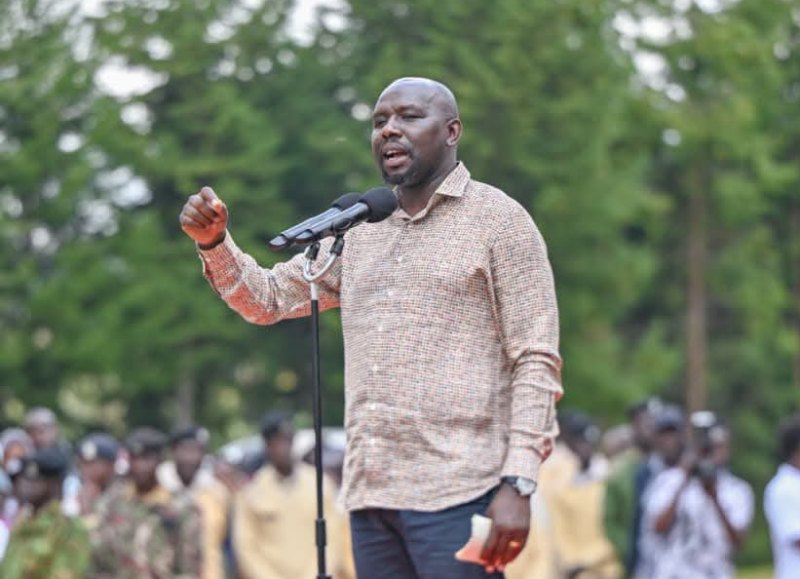
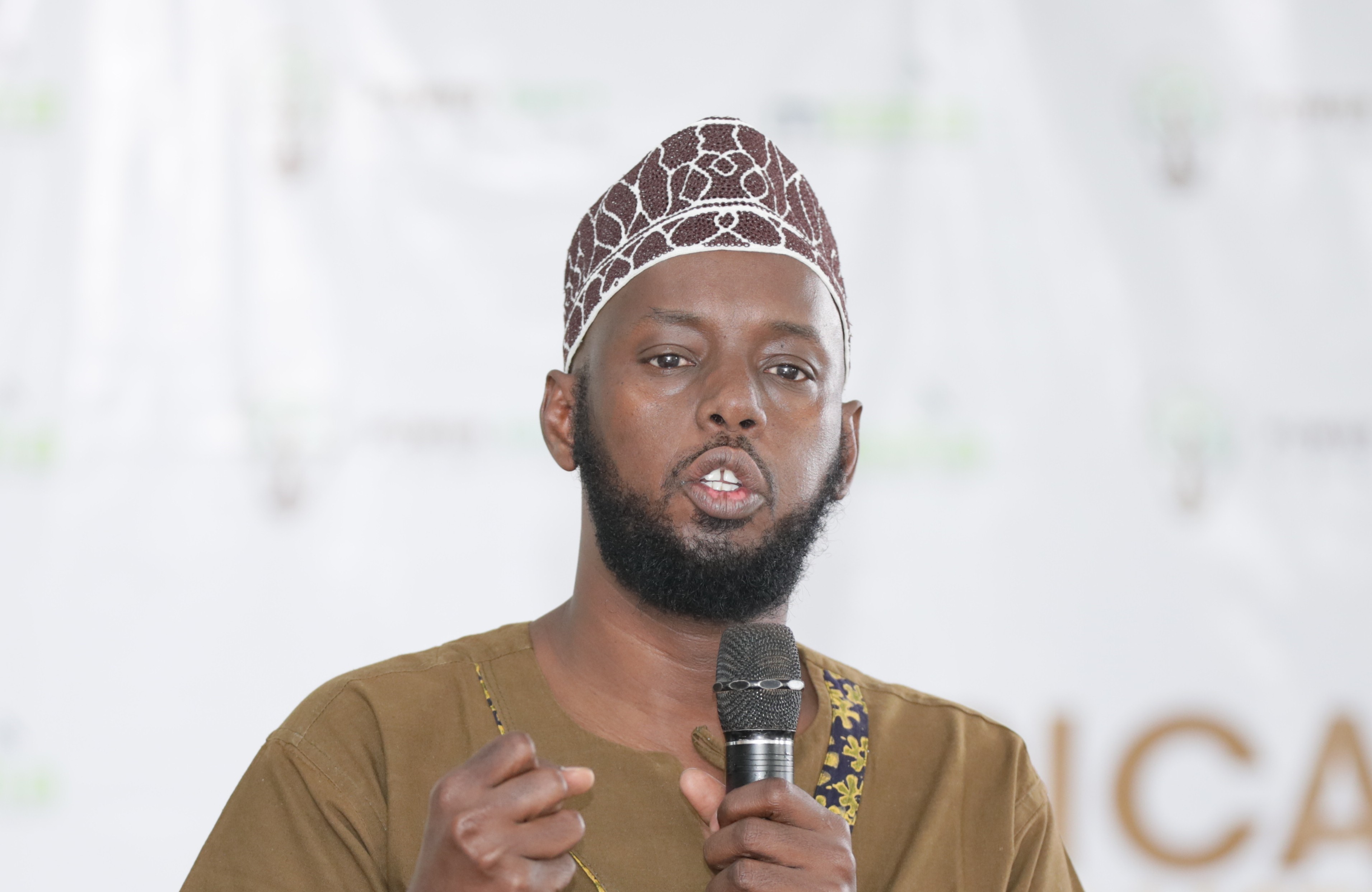
 Power Shift Africa founder and director Mohamed Adow/ HANDOUT
African countries are bearing the economic and social burden of global fossil fuel crises despite contributing the least to climate change, a new report has revealed.
The report, Pipe Dreams: How Oil and Gas Fail to Deliver Economic Development in Africa, released by Power Shift Africa and Oil Change International, argues that the continent has become increasingly vulnerable to global energy shocks caused by geopolitical conflicts and dependence on fossil fuels controlled largely by powerful economies.
According to the report, Africa contributes only a small fraction of global greenhouse gas emissions but continues to suffer disproportionately from fuel price spikes, debt distress, inflation and food insecurity linked to global oil and gas markets.
“The fossil fuel system exposes African economies to volatile international markets and geopolitical crises over which they have little control. When oil prices surge because of wars or supply disruptions, African countries experience devastating economic consequences despite contributing minimally to the climate crisis,” the report states.
The study points to recent global events, including supply disruptions linked to conflicts involving major world powers, which triggered sharp increases in fuel and food prices across Africa.
The resulting inflation placed additional pressure on already strained economies, with governments forced to spend billions on fuel subsidies and emergency imports.
Researchers behind the report say the situation highlights the dangers of continued dependence on oil and gas exports as a pathway to development.
“The promise that oil and gas extraction would bring prosperity to African nations has largely failed to materialise. Instead, many countries have been left exposed to debt, corruption, environmental degradation and economic instability.”
The report cites countries such as Nigeria and Angola as examples where decades of oil production have not translated into broad economic transformation. Despite earning billions of dollars from petroleum exports, millions of citizens in those countries still lack reliable electricity, healthcare and quality infrastructure.
In Nigeria, the report notes that heavy dependence on crude oil weakened agriculture and manufacturing sectors, creating economic imbalances commonly referred to as the “resource curse” or “Dutch disease.”
“Oil extraction has often crowded out investment in productive sectors such as farming and local industry,” the report states.
“This leaves economies highly vulnerable whenever global oil prices collapse or supply chains are disrupted.”
The report also warns that Africa risks being left with stranded fossil fuel investments as the world accelerates the shift towards renewable energy.
Power Shift Africa Founding Director Mohamed Adow said oil and gas wealth has failed to translate into broad-based prosperity for ordinary Africans.
He said many fossil fuel-rich countries remain energy poor, while wealth flows outward and communities closest to extraction continue to be underserved.
“This is one of the great contradictions of our time: Africa exports energy while millions of Africans still cook with charcoal and lack reliable electricity. The issue is neither a lack of resources nor a lack of potential,” he said.
Adow said the problem is an extractive economic model designed primarily around exports and multinational profits, rather than building resilient local economies.
The researchers argue that expanding oil and gas projects could lock African countries into costly infrastructure that may lose value in the coming decades as demand for fossil fuels declines globally.
Instead, the organisations are urging African governments and international financiers to prioritise renewable energy systems capable of expanding electricity access while shielding economies from global fuel market volatility.
“The future of African energy security lies in clean, affordable and locally controlled renewable energy. Doubling down on fossil fuels will deepen economic vulnerability rather than solve it,” the report read.