Health CS Aden Duale has urged East African states to formally integrate and regulate traditional medicine, citing its widespread use and potential to strengthen primary healthcare and universal health coverage.
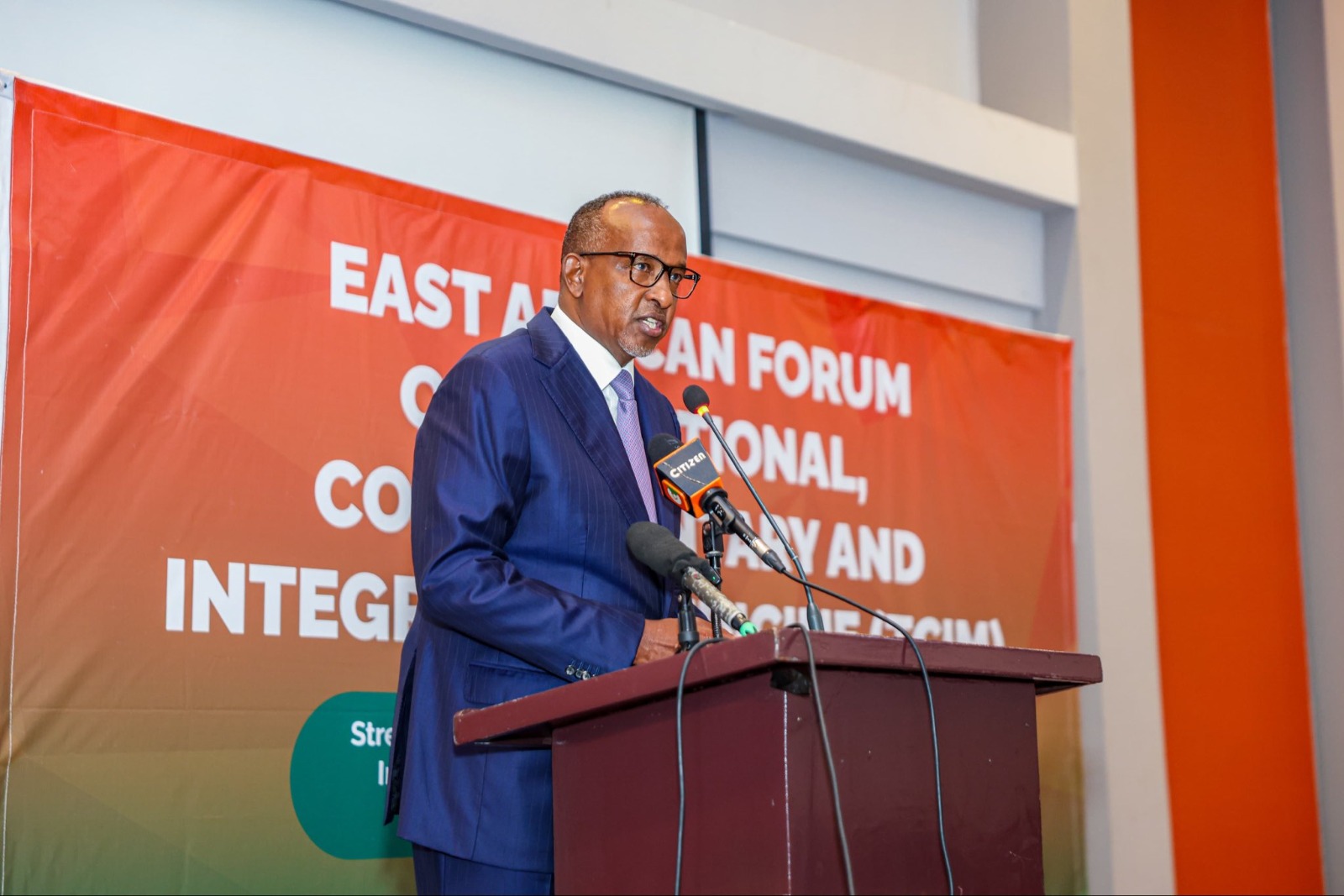
Kenya has reaffirmed its commitment to formally recognising and regulating traditional, complementary and integrative medicine (TCIM) as part of mainstream healthcare, as Cabinet Secretary for Health Aden Duale officially opened the East African Forum on Traditional, Complementary and Integrative Medicine.
The forum, which brought together policymakers, researchers, and practitioners from across the East African Community, is focused on strengthening policy and regulatory frameworks to support the safe, effective, and evidence-based integration of TCIM into national health systems.
Delegates are also seeking to harmonise regional approaches in order to address long-standing regulatory gaps and improve oversight.
In his opening address, Mr Duale noted that millions of East Africans continue to rely on traditional and complementary medicine for their everyday healthcare needs, particularly at the community level.
He said this reality underscored the importance of recognising TCIM within primary healthcare systems rather than leaving it outside formal regulation.
“We must embrace innovative health system models that draw upon all safe, evidence-based forms of care,” the Cabinet Secretary said, adding that inclusive and people-centred approaches were essential as the region confronts emerging infectious diseases and a growing burden of non-communicable illnesses.
Mr Duale commended East African partner states for the progress already made in developing policies, legal frameworks, and strategic initiatives to guide the safe practice of traditional medicine.
He stressed that regional cooperation, knowledge-sharing, and the exchange of best practices would be critical in accelerating reforms and ensuring consistent standards across borders.
Outlining Kenya’s national efforts, the Cabinet Secretary said the government was working to integrate traditional medicine into national health priorities through targeted policy development, structured research frameworks, and the preparation of a practitioners’ handbook aimed at standardising practice.
He emphasised that these initiatives were designed to ensure safety, accountability, and scientific validation while respecting cultural heritage.
Mr Duale highlighted the coordinated role being played by several institutions in advancing this agenda, including the Pharmacy and Poisons Board, the Kenya Medical Research Institute, the Kenya Medical Practitioners and Dentists Council, and the State Department for Culture and Heritage.
He said this whole-of-government approach was critical to balancing innovation with public health protection.
Despite its widespread use, traditional medicine in the region has largely operated outside formal regulatory systems, raising concerns around quality control, patient safety, and accountability.
Officials at the forum acknowledged that inconsistent standards, limited research data, and weak enforcement mechanisms have previously constrained efforts to integrate TCIM into public health systems, underscoring the need for stronger, coordinated oversight.
The Cabinet Secretary further linked Kenya’s initiatives to global health priorities, noting alignment with the World Health Organization Traditional Medicine Strategy 2025–2034, which calls on countries to strengthen governance, expand research, and ensure the safe use of traditional medicine within national health systems.
He reaffirmed Kenya’s readiness to harmonise its efforts with regional priorities while contributing to global evidence and best practice.
Delegates were urged to ensure that the forum delivers concrete, actionable outcomes. Mr Duale called for stronger regulatory systems, enhanced institutional capacity, and improved coordination among agencies, stressing that recognition of TCIM must go hand in hand with scientific rigour and public safety safeguards.
Other speakers at the forum echoed these sentiments, including Principal Secretary for Medical Services Dr Ouma Oluga, WHO Representative to Kenya Dr Neema Kimambo, Dr Pradeep Kumar from the WHO Global Traditional Medicine Centre, and Dr Tido Schoen-Angerer of the TCIH Coalition.
They emphasised the need for evidence-based practice, research investment, and regional collaboration to unlock the full potential of TCIM.
The forum signals a decisive shift towards recognising traditional, complementary and integrative medicine as a legitimate, regulated pillar of healthcare in East Africa.
By prioritising strong policy, research and oversight, countries in the region are seeking to harness its benefits while safeguarding public health, improving access to primary care and accelerating progress towards Universal Health Coverage through inclusive, evidence-based approaches.