President William Ruto and Nairobi Governor Johnson Sakaja
have defended the Sh80 billion cooperation agreement between the national and
the county government.
They insist it is a partnership to transform the capital
rather than a takeover of devolved functions.
They spoke on Wednesday during a tour of the
ongoing Nairobi clean-up, a day after the deal was signed at State House in Nairobi.
Their defence comes amid mounting criticism from a section
of Nairobi leaders, civil society actors and lawyers who question the legality
of the agreement and warn it could erode devolution.
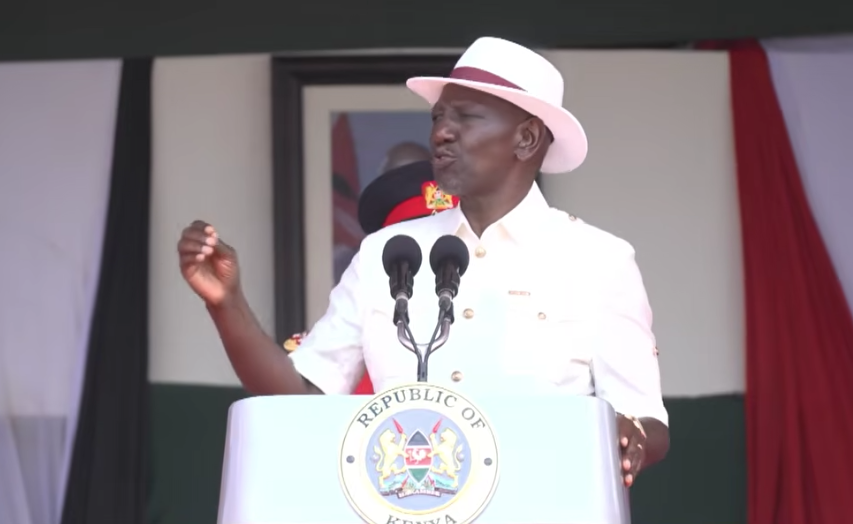
Ruto dismissed claims that Nairobi had been handed
over to the national government, saying the arrangement is anchored in
intergovernmental cooperation.
“There is no Nairobi that has been handed over. I already
have enough national duties to handle,” he said.
“What we have done is
cooperate so that we can build our city,” he said.
He emphasised the county government remains
constitutionally in charge of its mandate, with the county assembly and the
governor retaining oversight and implementation roles.
“It will be managed by the county government… my role is to
help ensure Nairobi continues to progress,” he added.
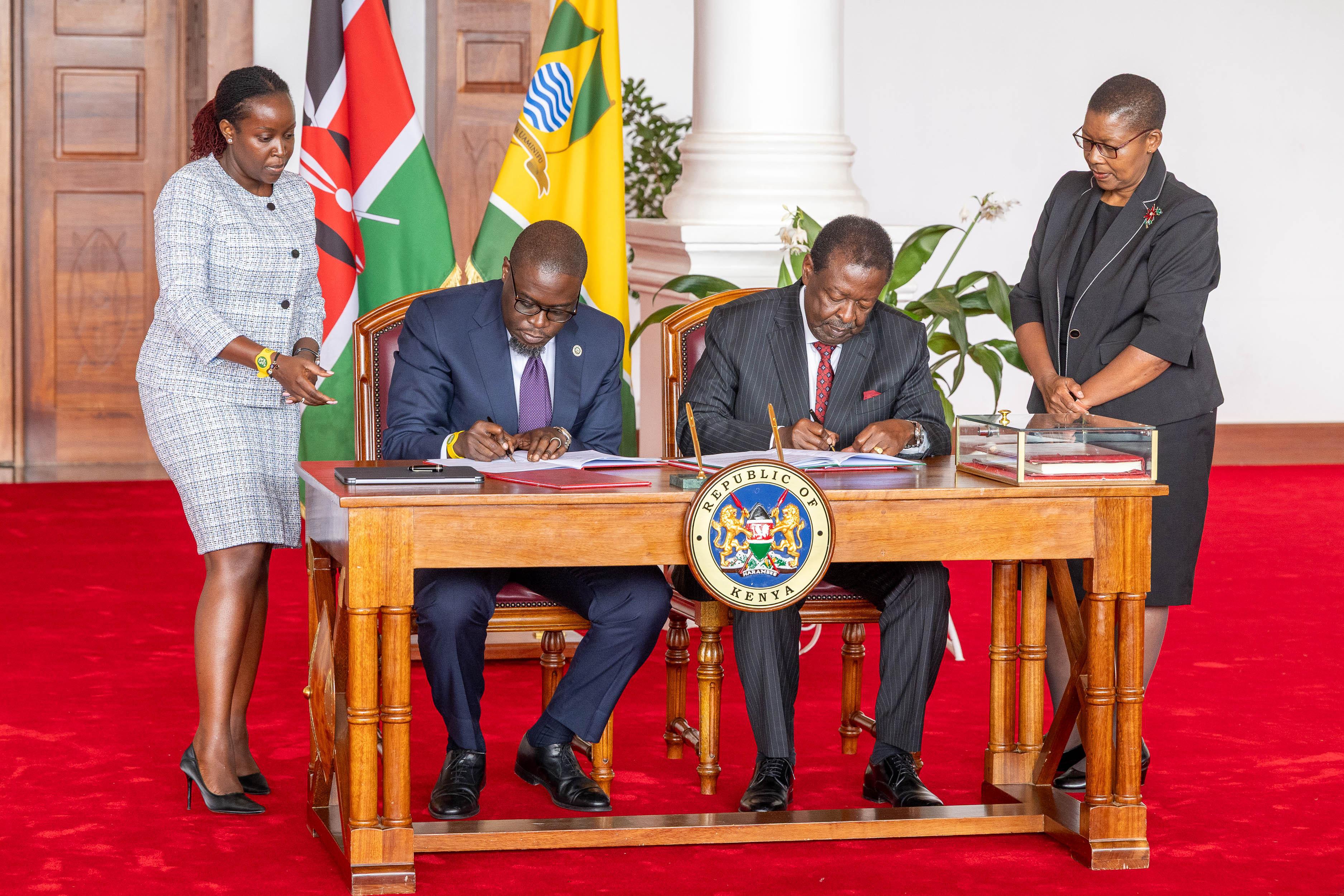
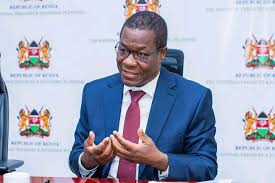
Prime Cabinet Secretary Musalia Mudavadi, who signed the deal
on behalf of the national government, said the state’s
involvement is meant to help Nairobi keep pace with other global cities.
“We do not want Nairobi to be outdone by other cities… we do
not want to be left behind,” he said.
Sakaja echoed the President’s position, arguing that the
capital requires joint intervention due to its economic importance and
infrastructure demands.
“Thank you for giving me the mandate to be your governor. I
have not handed over power; those are rumours,” he told the residents.
“I am cooperating with the President to deliver clean
streets, better roads, schools and hospitals. Nairobi is not just a county but
Kenya’s capital, so there is nothing wrong with receiving more funding.”
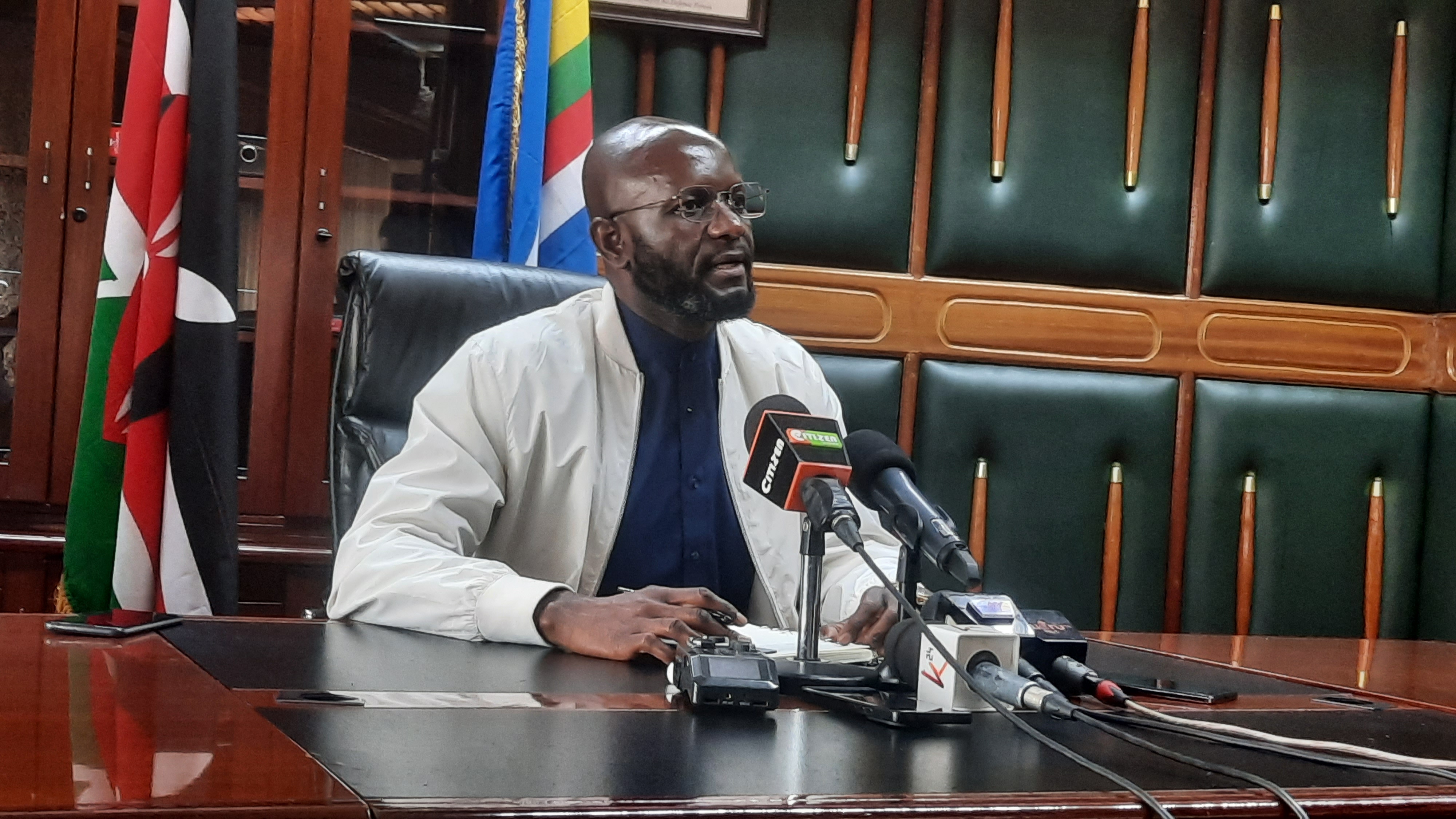
However, Nairobi Senator Edwin Sifuna has threatened to
challenge the agreement in court, terming it unconstitutional and procedurally
flawed.
Addressing journalists at Parliament, Sifuna said his office
was neither consulted nor involved and criticised the absence of public
participation before the signing.
“The so-called cooperation agreement acknowledges that no
public participation was conducted… a violation of the constitution too
egregious to ignore,” he said.
He also took issue with the proposed implementation
structure, claiming it places the governor under national government control.
“From its structure, the governor will play subservient to
the Prime Cabinet Secretary… this is not cooperation but takeover,” he said.
International Centre for Policy and Conflict executive
director Ndung’u Wainaina warned against recentralising urban governance,
arguing that most major cities globally are run by elected local authorities.
Lawyer Willis Otieno said the agreement raises fundamental
constitutional questions about the steady transfer of county functions to the
national government.
“If devolution responsibilities are being recentralised,
would it not be more honest to formally restructure the system rather than
maintain a symbolic county authority?” he posed.
Despite the controversy, the agreement outlines a sweeping
infrastructure programme covering water, sewerage, roads, lighting, housing,
transport and waste management.
The framework is anchored on Article 189 of the Constitution,
the Urban Areas and Cities Act and the Intergovernmental Relations Act.
Sakaja distinguished the new arrangement and the defunct
Nairobi Metropolitan Services (NMS), which he said left a Sh16 billion debt.
“This is not an NMS takeover. That was a misadventure. This
is cooperation that recognises Nairobi as the nation’s capital,” he said.
He argued Nairobi’s current financing model is
inadequate for a city of its size and the partnership would unlock funding
and fast-track stalled projects.
A major share of the investment targets water and sewerage.
The national government will spend Sh2.1 billion to upgrade
the Ng’ethu treatment plant, which currently loses about 50,000 cubic metres of
water daily.
Another Sh3 billion will finance the Gigiri–Shauri Moyo
evacuation corridor to stabilise supply, while additional funding is being
mobilised for the Maragua IV and Northern Collector II projects to secure
long-term water availability for Nairobi and neighbouring counties.
Under the Nairobi River Regeneration Programme, Sh9 billion
has been earmarked for two 27-kilometre trunk sewer lines along the river
corridor.
A new Sh6 billion treatment plant with a capacity of 60,000
cubic metres per day will serve the city for at least 40 years, alongside Sh3
billion for last-mile sewer connections and Sh15 billion for long-term
expansion.
On roads and bridges, Sh8.7 billion has been allocated.
This includes Sh2 billion to complete Phase One Kenya Urban
Roads Authority projects, Sh1.7 billion for a 59-kilometre road package
beginning April 2026 and Sh5 billion for Phase Three later in the financial
year.
Ruto said each ward would benefit from a Sh5 billion
mobility and safety programme, supplemented by Sh3.7 billion from the county
and Sh1 billion for drainage to address perennial flooding.
Street lighting will also be expanded, with 10,000 existing
lights to be completed and 40,000 new ones installed, many powered by solar
energy to cut electricity costs.
The national government, working with Kenya Power, will
invest Sh1.5 billion in transformers and last-mile connectivity, alongside a
prepaid bulk power framework to lower electricity costs for low-income
households.
Informal settlements will benefit from a Sh3.3 billion
upgrading programme covering lighting, prepaid metering and power connectivity
around footpaths, markets, schools and health facilities, linked to the
affordable housing agenda.
In solid waste management, the county will allocate 100
acres for material recovery facilities and four transfer stations, committing
Sh4 billion, while the national government will provide Sh2 billion to support
recycling and circular waste systems.
An intergovernmental implementation committee chaired by
Sakaja will oversee the rollout.
It will include principal secretaries from key ministries,
the Solicitor-General, a representative from the Executive Office of the
President and Nairobi county executives, and will meet monthly to coordinate
financing and execution.
INSTANT ANALYSIS
President William Ruto and Governor Johnson Sakaja defend
the Sh80bn Nairobi cooperation deal as lawful intergovernmental support, not a
transfer of devolved functions. The plan promises major investment in water,
sewerage, roads, lighting, power and waste systems to modernise the capital.
However, Senator Edwin Sifuna, lawyers and civil society cite lack of public
participation, Senate exclusion and governance risks, warning of
recentralisation. The dispute frames a constitutional test on devolution, legality
of shared functions and political control over Nairobi’s transformation agenda.

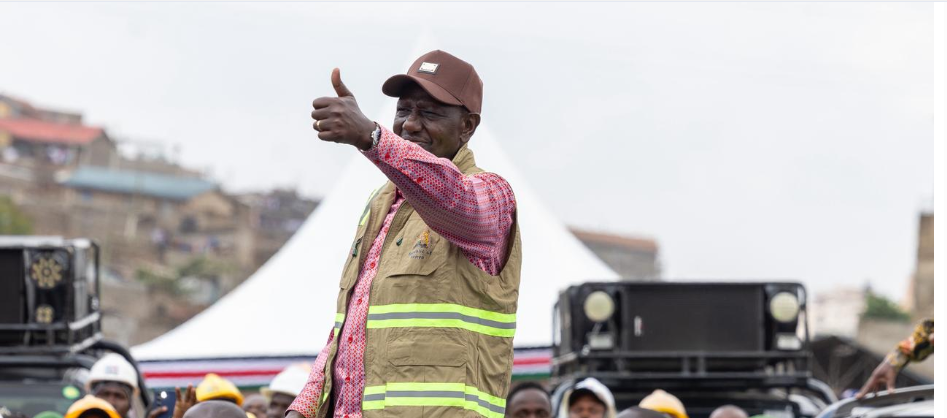
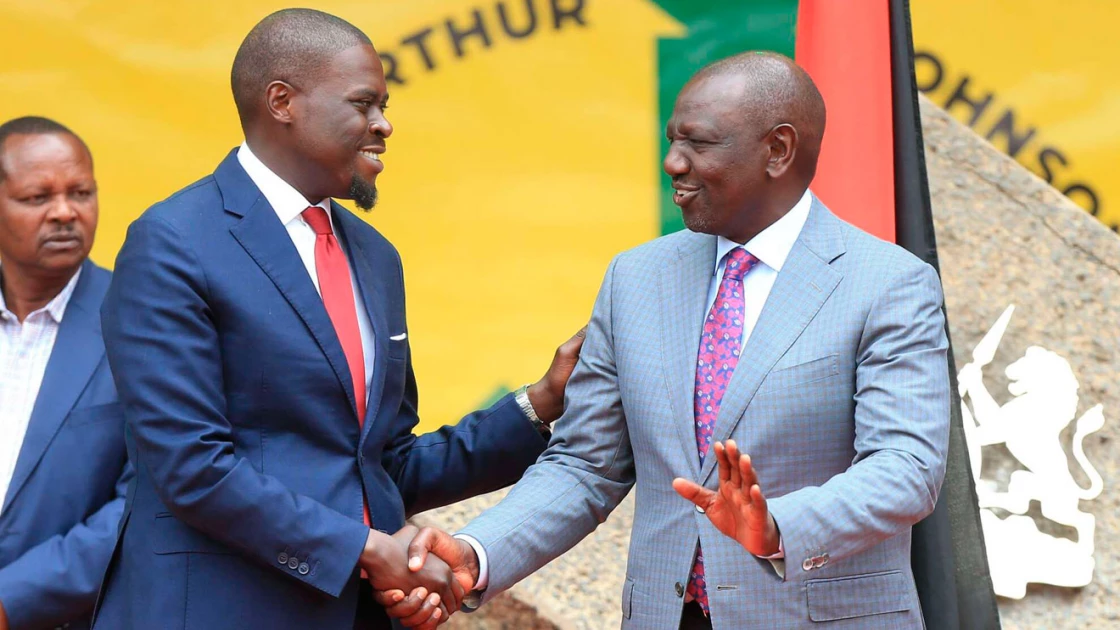 President William Ruto and Nairobi Governor Johnson Sakaja /FILE