Reliable power is no longer a luxury: CS Wandayi says on outages, fuel prices, and energy future
Cites need for steady supply, lower fuel prices and stable energy future.
by MOSES OGADA
Audio By Vocalize
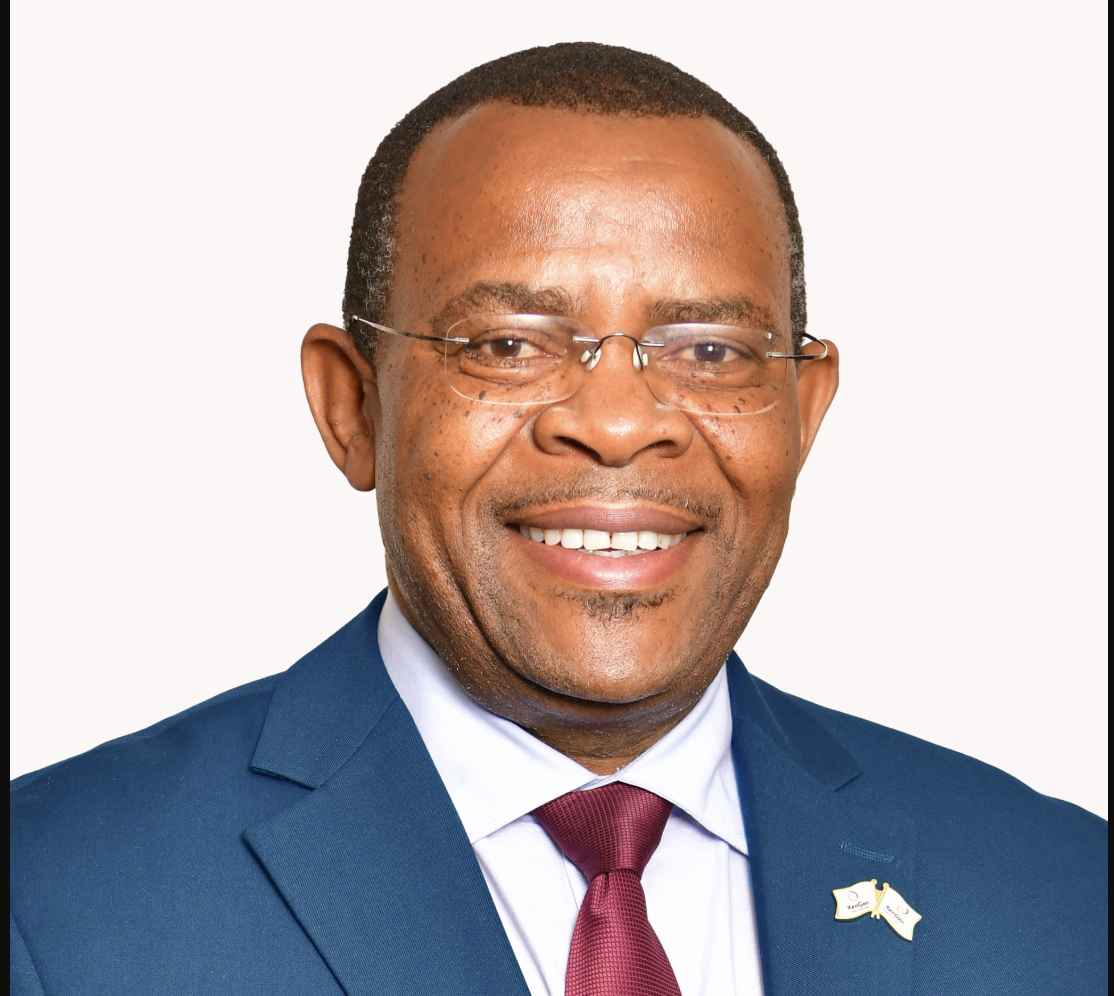
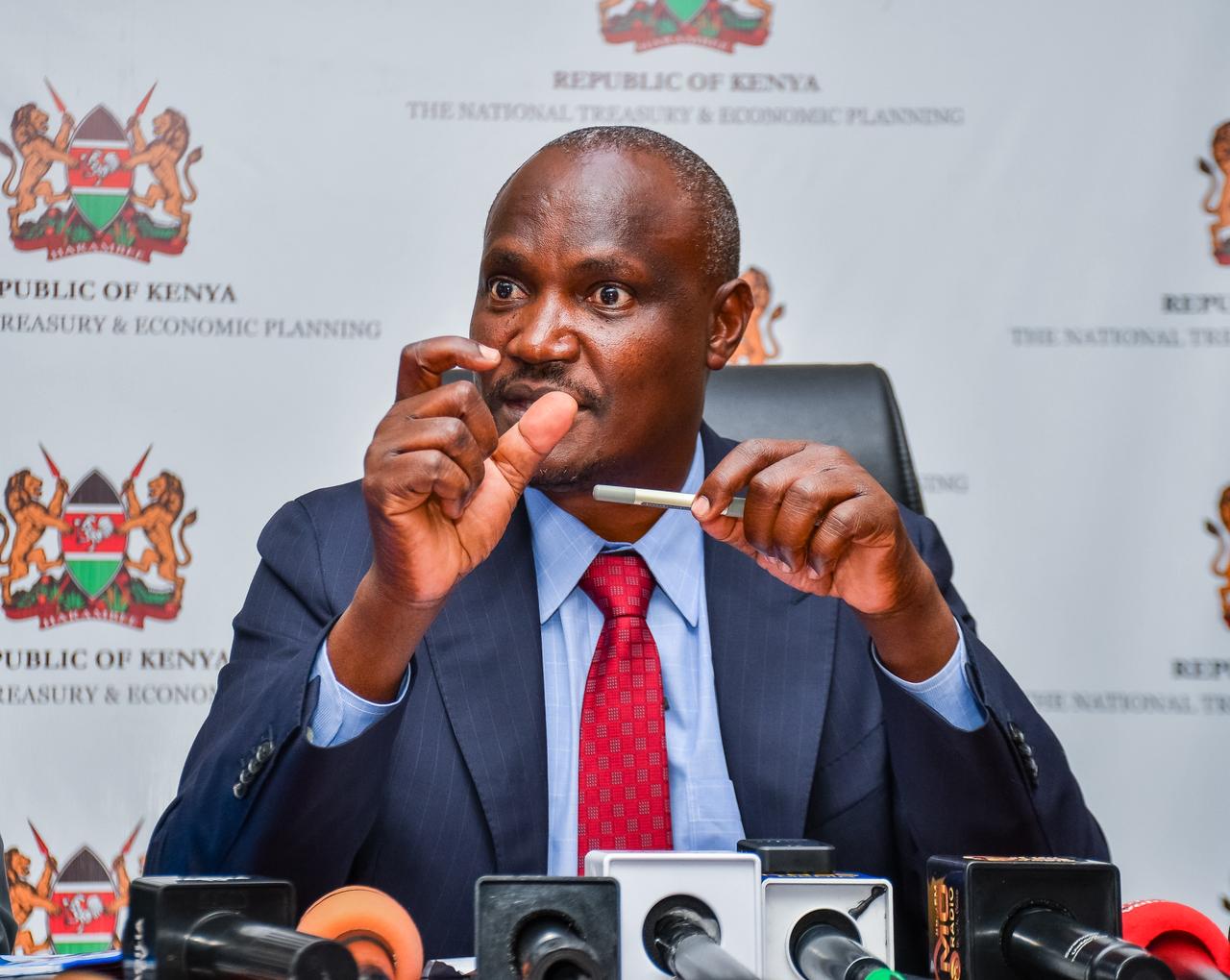
CS Opiyo Wandayi flagging off materials meant for electricity connection in Tharaka Nithi County.
As political temperatures rise ahead of 2027, Energy CS Opiyo
Wandayi says his priority is not politics, but fixing the country's power and fuel
systems.
In an interview with the Star, Wandayi addressed persistent
electricity outages, rising fuel prices, reforms at Kenya Power, and the future of
Kenya Pipeline Company.
He also addresses the commercialisation of Turkana oil and plans for
Kenya’s first nuclear power plant in Siaya.
The CS said Kenya is undergoing a necessary correction in its
energy infrastructure after years of rapid customer connections outpaced
investment, saying the government is now moving decisively to stabilise supply
and future-proof the grid.
Here is excerpts from the interview:
Q: Kenya
experiences recurring power outages. What specifically is causing them, and
when can the country expect lasting stability?
I understand the frustration Kenyans feel when the lights go out.
Reliable electricity is no longer a luxury; it is basic to daily life,
business, learning and healthcare. The important point to make first is that
Kenya has not experienced a national blackout for over a year.
What we are dealing with now are localised outages, largely
happening on parts of the medium- and low-voltage distribution network. In
simple terms, these are the lines that deliver power directly to homes,
businesses and factories.
Over the last decade, more than seven million new customers have
been connected to the grid. That is a remarkable achievement. But the
infrastructure serving these customers did not expand at the same pace, mainly
because of funding constraints over time. The result has been overloaded
circuits, ageing equipment, long feeder lines that cause voltage drops,
vandalism and challenges around wayleaves. We are now addressing this directly.
The government under President William Ruto is increasing
budgetary support, working with development partners and prioritising
investment in new substations, shorter and stronger medium-voltage lines and
redundancy in the network. This is not a quick fix, but a deliberate
correction. As these upgrades come online, reliability will steadily improve.
Q: Is the
national grid overstretched, and what is being done to prevent system
collapses?
Demand for electricity is growing rapidly, which is actually a sign
of economic momentum. More homes are connected, industries are expanding, and
commercial activity is rising.
At moments when some power plants are unavailable due to planned
or unexpected maintenance, or when transmission projects are delayed, the system
can come under strain. We have seen this particularly in parts of Western Kenya
and the Coast.
We are responding decisively. New geothermal plants — including
Orpower 22, the Globeleq plant in Menengai and rehabilitated Olkaria I units —
will add reliable baseload power by mid-2026. Major transmission lines and
substations have also been completed and energised. Several more projects are
in the pipeline. The goal is simple: a grid that grows ahead of demand.
Q: Kenya Power
has been accused of mismanagement and corruption. What reforms are you
implementing?
Public trust matters. Kenya Power is a publicly listed company
with governance and audit systems. Allegations of misconduct are investigated
and, where proven, disciplinary action is taken. That has happened and will
continue.
Beyond that, we are strengthening controls, procurement discipline
and accountability. Ultimately, reforms must translate into better service for
customers. That is the real test.
Q: Is the monopoly
model still viable?
Kenya no longer operates a monopoly power sector. The Energy Act
of 2019 unbundled transmission, distribution and retail and opened them to
competition. Any qualified player can apply for licenses. This encourages
efficiency and investment while maintaining regulation to protect consumers.
Q: Kenyans feel
fuel prices are beyond their control. How much power does the government have?
Fuel prices are shaped largely by global markets. No government
can fully insulate citizens from that. However, the government influences pump
prices through taxes, levies, exchange-rate policy, targeted subsidies and
regulation. These must be balanced to protect consumers while safeguarding
fiscal stability. EPRA ensures transparent monthly reviews.
Q: Are oil
marketers making excessive profits?
Kenya operates a price-capping system that sets clear limits. The
regulator audits costs, enforces compliance and penalises violations. The
objective is fairness in a market that affects every household.
Q: What
assurances can you give that Kenya Pipeline will remain a strategic asset?
Kenya Pipeline will remain a national strategic asset. That is
non-negotiable. Private capital, if introduced, is about efficiency and
modernisation, not surrendering control. The government will retain oversight
to protect energy security.
Q: What
improvements do you expect from private investment?
Modern technology, operational discipline and financial strength —
translating into reduced losses, better maintenance and improved safety. Ultimately,
consumers benefit.
Q: Is Kenya
still committed to Turkana oil?
Yes, but more deliberately. For the first time, the Turkana field
development plan and production-sharing contracts have been approved by the ministry
and forwarded to Parliament. We are optimistic Parliament will ratify them to
allow real production work to begin.
Q: Why is Kenya
considering nuclear power in Siaya?
Nuclear offers stable, uninterrupted baseload electricity. It
strengthens the grid and supports industrial growth. It is also clean, with low
carbon emissions, complementing renewables when variable sources fluctuate. If
implemented, it will support industrialisation, create high-quality jobs and
enhance long-term energy security. Under President Ruto’s leadership, the
government is serious and deliberate about establishing Kenya’s first nuclear
plant in Siaya
This is premium content
Subscribe to Continue Reading
Help us continue bringing you unbiased news, in-depth investigations, and diverse perspectives. Your subscription keeps our mission alive and empowers us to provide high-quality, trustworthy journalism. Join us today to make a difference!








![[PHOTOS] Red carpet in Pretoria as Ruto begins South Africa visit](https://cdn.radioafrica.digital/image/2026/06/abe3e750-6e5a-4394-a45c-899768be6240.jpeg)