Every
December, kitchens around the world transform into bustling hubs of activity.
Families gather not only to exchange gifts but also to share meals that embody
centuries of tradition.
Christmas
recipes are more than culinary instructions; they are cultural artefacts.
Whether it is the famous chapati in Kenya, roast turkey in the United States,
stollen in Germany or mince pies in the UK, these dishes anchor the holiday
spirit.
According
to culinary historians, festive meals have long been central to Christmas
celebrations, serving as a way to reinforce family bonds and cultural identity.
Circling
back home, Kenyan Christmas meals are rich in flavour and tradition, showcasing
the country's diverse culinary heritage. From grilled meats to flavorful rice
dishes, the festive table is a reflection of the culture and the importance of
family during this special time of year.
Christmas
in Kenya is a time for family gatherings, and food plays a central role in the
celebrations. Many families travel from urban areas to their rural homes to
celebrate together.
The meals
are often accompanied by traditional drinks, and the atmosphere is filled with
joy and communal spirit.
The classics
that never fade
Traditional
Christmas recipes remain timeless because they evoke nostalgia and continuity.
Here are a
few classic recipes that have been the “it” for decades:
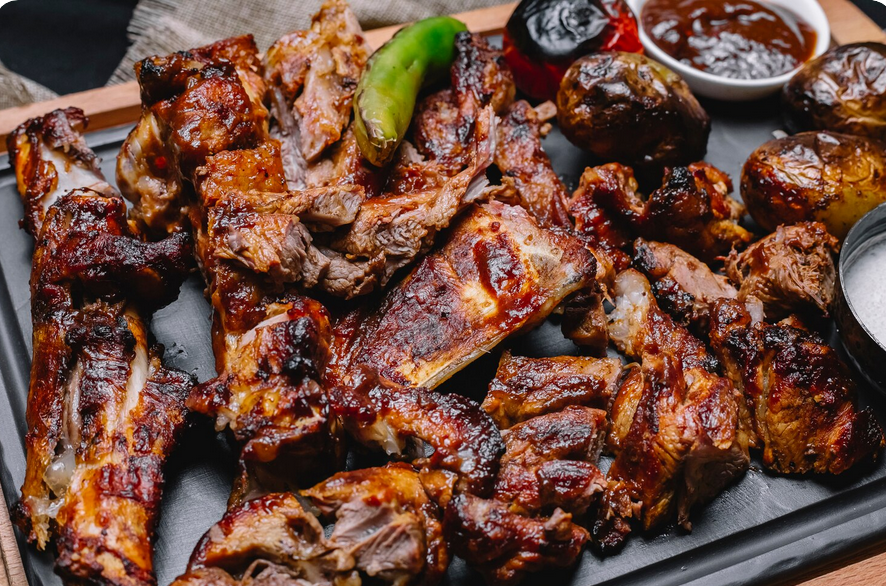
Nyama
Choma (Roast Meat): This
is a staple during Christmas celebrations. Families often slaughter goats,
sheep or cows, and the meat is grilled over an open fire. It is typically
served with sides like ugali (a maize porridge) and kachumbari.
Families
often slaughter a goat, sheep, or cow as part of the celebrations. This act
itself is communal and symbolic, bringing together people.
Sharing
nyama choma is about bonding. It marks celebration, abundance, and
togetherness.
Kuku ya
Kienyeji (Free-Range Chicken):
This traditional dish features local chicken, which is considered tastier and “authentic”
than broilers. It is often stewed and served with chapati or ugali.
It is usually
stewed slowly with onions, tomatoes, garlic and local spices.
Chapati: A popular flatbread that
accompanies many meals, chapati is made from flour and water, rolled out and
cooked on a hot pan. It is a favorite side dish during Christmas.
In recent
years, cooks have been adding ingredients including carrots and mashed pumpkin.
These innovations make the dish more nutritious and visually appealing during
celebrations.
Chapati
was introduced through Indian influence, but is now fully Kenyan.
Pilau: A fragrant rice dish cooked with
spices, meat and sometimes vegetables. Pilau is especially popular in coastal
regions and is a festive favorite.
Its
ingredients include rice cooked with beef, chicken, or goat meat, plus pilau
masala (cumin, cinnamon, cloves, cardamom, black pepper).
Pilau is strongly
linked to Swahili cuisine; pilau symbolises hospitality and festivity.
Beef
Stew: This hearty
dish is made by boiling beef with spices and vegetables until tender. It is
commonly served with rice or chapati. It pairs easily with many sides,
especially when cooking for large family groups.
Rice: Often served as a side dish, rice
is a staple in many Kenyan households. It is typically prepared plain or with
spices to complement the main dishes.
Plain rice
often accompanies beef stew or chicken stew. Some families prepare spiced rice
or coconut rice for a more festive twist.
Rice
stretches well for large gatherings, making it ideal for family feasts.
Mandazi: These are sweet, fried pastries
that are often enjoyed as snacks or desserts during the festive season. They
are served with tea in the morning as families prepare the Christmas meal, or
enjoyed as a treat later in the day.
Mandazi is
comfort food; simple, nostalgic and perfect for sharing.
Global traditions on the Christmas table
Away from
home, popular dishes include:
Roast
Turkey: This has become
a classic centrepiece for Christmas meals in many Western countries, especially
the US, UK and Canada. Turkey became popular in the 16th and 17th centuries in
England after being imported from the Americas. It eventually replaced goose
for many families because it fed more people. It is often served with stuffing,
gravy, roasted vegetables and cranberry sauce.
A large,
impressive bird represents abundance, celebration, and family unity and is
fitting for a holiday centered on gathering.
Honey-Glazed
Ham: A festive
favorite in the US, Australia, and parts of Europe. The sweet glaze (honey,
brown sugar, pineapple, spices) complements the salty richness of the cured
ham. Historically, ham was cured and stored through winter, making it practical
for December feasts.
The
diamond-scored skin and caramelised glaze make it visually striking and is
perfect for a holiday table centerpiece.
Scalloped
Potatoes and Green Bean Casserole: Both
are classic comfort-food sides in American Christmas meals.
The scalloped
potatoes are usually thinly sliced and baked in a creamy sauce (sometimes with
cheese) and represent the trend of “indulgent comfort” dishes during the
festive season.
The green bean
casserole is made with green beans, mushroom soup and crispy fried onions.
It was invented
in the 1950s and became a household staple because of its simplicity and rich
flavor, and is served at both Thanksgiving and Christmas as a nostalgic,
familiar side.
Christmas
Cookies: They are huge
part of holiday rituals, especially in Europe and North America.
They
include gingerbread men, sugar cookies, spritz cookies, chocolate crinkles,
shortbread.
Culturally,
families bake together, decorate cookies, and gift them to neighbors. They
originated from medieval spices like ginger, cinnamon, and nutmeg were
expensive and festive, so spiced cookies became linked with celebrations
Eggnog:
This is a creamy
drink made from milk, cream, eggs, nutmeg and sometimes alcohol.
It dates
back to medieval Britain, when a drink called “posset” which includes warm milk
with spices and ale, and was enjoyed during winter.
In the
past, spices and alcohol were once luxury ingredients, so eggnog became
associated with special occasions.
In modern times, it is served at Christmas parties and gatherings, often topped
with cinnamon or nutmeg for warmth and aroma.
These
dishes are not just about taste. They are about ritual. Preparing them together
often involves multiple generations, with grandparents passing down recipes to
grandchildren.
Christmas
recipes vary widely across cultures, reflecting local ingredients and customs:
Germany: Stollen, a fruit bread dusted
with powdered sugar, symbolises the baby Jesus wrapped in swaddling clothes.
Italy: Panettone, a tall, sweet bread
filled with raisins and candied fruit, is shared at midnight feasts.
Mexico: Tamales, wrapped in corn husks,
are a communal dish often prepared days in advance.
Philippines: Lechon (roast pig) is the
centerpiece of Noche Buena, the Christmas Eve feast.
These
recipes highlight how Christmas adapts to local traditions while maintaining
its universal theme of togetherness.
Modern twists on tradition
While
tradition reigns, modern families often experiment with new flavors:
Maple-Glazed
Salmon: A modern,
lighter alternative to traditional Christmas mains. Sweet maple syrup
caramelizes beautifully over the salmon, creating a glossy glaze that balances
rich fish with mild sweetness.
Many
people, especially younger or health-conscious families, prefer less heavy
protein options during the holidays.
This meal
is often served at smaller gatherings, Christmas Eve dinners, or contemporary
holiday tables, and served with roasted vegetables, green beans or citrus
salads.
Wild
Rice Salad: A
vibrant, fresh side dish that complements heavier Christmas meals. Nutty wild
rice paired with crunchy nuts, dried fruits, herbs and a light dressing.
This
meal cuts through
the richness of proteins like turkey, ham or salmon, and adds color and
freshness to holiday spreads, making the table look festive.
It is popular
among hosts who want something healthy, colorful and vegetarian-friendly.
Chocolate
Fudge Cake: A
luxurious dessert that is especially loved by younger generations. Dense,
moist, and intensely chocolatey, is often served warm with ice cream or whipped
cream.
It is
simple, indulgent, and universally loved. While older traditions favor
fruitcake or pudding, many households now include chocolate desserts to please
a wider age range.
It is occasionally
served as a
Christmas dessert, at parties, or as a treat for children and teens during the
festivities.
These
innovations reflect evolving tastes and dietary needs, making Christmas
inclusive for vegetarians, vegans and those with dietary restrictions.
Recipes
as Family Glue
Food
psychologists note that shared meals foster emotional connection. Cooking
together creates opportunities for storytelling, laughter and teaching. For
example:
Roasting
meat, or carving turkey together becomes a rite of passage, while baking
cookies with children teaches them skill, patience and creativity.
Additionally,
sharing leftovers on boxing day extends the celebration beyond Christmas Day.
Studies
show that families who cook together report stronger bonds and higher
satisfaction during holidays.
Historical roots of Christmas recipes
Many
Christmas recipes trace back centuries:
Mince
Pies: A classic
British Christmas treat with deep historical roots. It began in the 13th
century when returning Crusaders brought spices like cinnamon, nutmeg and
cloves from the Middle East.
Early
mince pies contained a mixture of minced meat, dried fruits and spices,
representing the exotic ingredients of the time.
Over the
centuries, the meat was phased out, leaving behind the sweet, spiced fruit
filling we know today.
Traditionally,
eating one mince pie per day for the 12 days of Christmas was believed to bring
good luck for the coming year.
Christmas
Pudding: A dense,
steamed dessert that embodies Britain’s medieval culinary traditions. It
dates back to the Middle Ages, when “plum porridge” was eaten on Christmas
Eve.
It is made
up of dried fruits, suet, spices, alcohol, all preserved well through winter. The
pudding is often associated with abundance, prosperity and good fortune.
Traditions
associated with the pudding include stirring
the pudding clockwise while making a wish, hiding coins or charms inside as
tokens of luck and flaming the pudding with brandy before serving.
Eggnog:
A festive drink
enjoyed across North America and parts of Europe. It comes from “posset”,
a medieval British drink made of hot milk curdled with ale or wine.
When the
recipe traveled to America, milk, cream, sugar and beaten eggs were added,
creating the rich holiday version known today.
Often
served at Christmas gatherings, sometimes with rum, brandy, or bourbon for an
adult version.
Drinks that warm the season
Beyond
food, beverages play a central role. These include chai/tea, porridge, fermented
milk, hot chocolate, cider, and mulled wine across Europe.
These
drinks encourage long conversations by the fire, reinforcing the communal
aspect of Christmas.
Recipes
as Gifts
Homemade
recipes often double as gifts. In case you are interested in gifting, you can
consider these:
Cookie
tins shared with
neighbours, fruitcakes mailed across states and jars of jam or chutney
prepared weeks in advance.
Such gifts
embody thoughtfulness and extend family traditions beyond the household.
Recipes
as memory keepers
Christmas
recipes endure because they are more than sustenance; they are memory keepers.
They remind families of past celebrations, honour cultural heritage, and create
new traditions.
Whether it’s a grandmother’s secret stuffing recipe or a child’s first attempt, these dishes embody the essence of Christmas: togetherness, joy, and love.