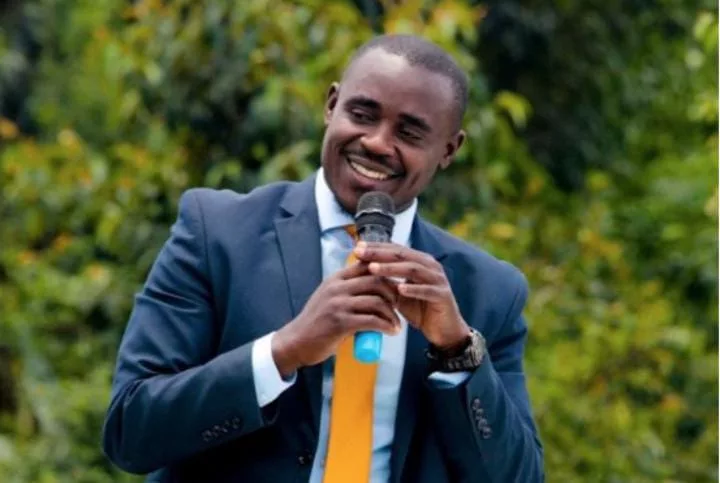
 Eliud Muriithi, the Director of Commercial Services, KEMSA/HANDOUT
Eliud Muriithi’s interest in mental health started to grow when he was still young.
His personal experiences and the environments in which he grew up in both in Kirinyaga and Mombasa shaped his fascination and passion for the topic rarely discussed openly and seldom understood — mental health.
In his own family and community in Kiburu village, Kirinyaga county, Muriithi witnessed people navigating difficult moments — often silently, alone and not very well.
This arouse his interest to champion for mental health, an issue he currently advocates for through writing articles for sensitisation and doing advocacy work both at his work place and in learning institutions and churches.
From childhood, Muriithi was encouraged by his mother Mary Wairimu to work hard, solve problems and strive to be a changemaker, whatever his environment. Growing up, he witnessed his parents’ dedication to excellence in whatever they did.
His mother transitioned into subsistence farming after her early career at Jubilee Insurance, demonstrating resilience, adaptability and the importance of pursuing meaningful work.
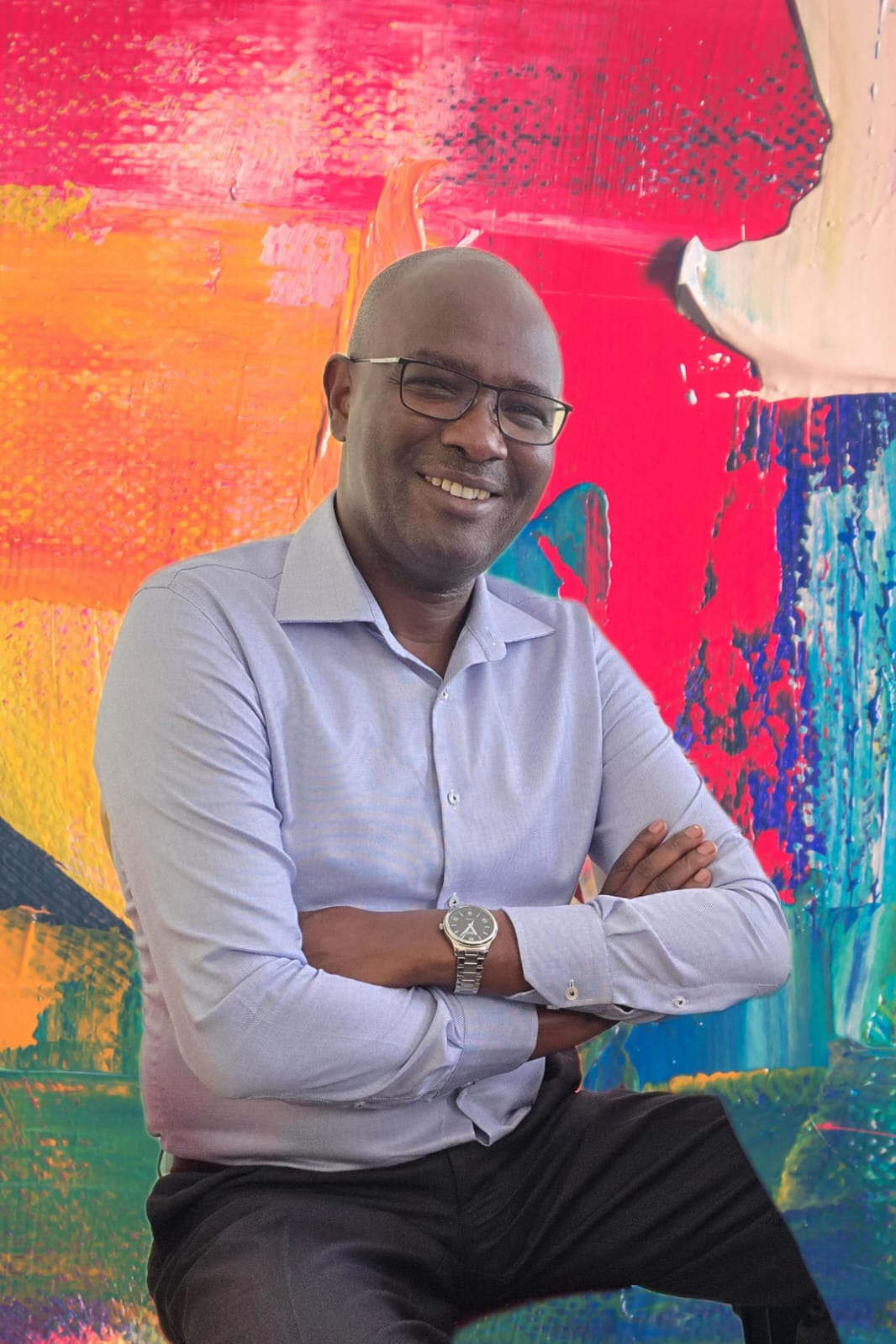 Eliud Muriithi, the director of Commercial services, Kemsa/HANDOUT
His father Cyrus Muriithi, remained in the corporate world modelling discipline, professionalism and commitment.
Their contrasting yet complementary experiences gave Muriithi a balanced perspective on life and helped him develop a strong work ethic and a desire to make a positive impact.
“My mother has always stepped in to support those around her who encounter life challenges,” Muriithi told the Star. “This has continued to inspire my commitment to mental health advocacy, both within my professional circles, the country and beyond,” he says.
Muriithi, who is the director of Commercial Services at the Kenya Medical Supplies Authority (Kemsa), previously held senior leadership posts at Unicef, the USAID, Bill & Melinda Gates Foundation and the Association for Supply chain management (BMGF-ASCM).
He also worked in the private sector across Kenya, Rwanda, Burundi, Uganda and South Sudan. As for the many people he saw undergoing silent struggles as he was growing up, he knew that when people are supported mentally and emotionally, they can thrive, contribute meaningfully in their families, their communities and lead fulfilling lives.
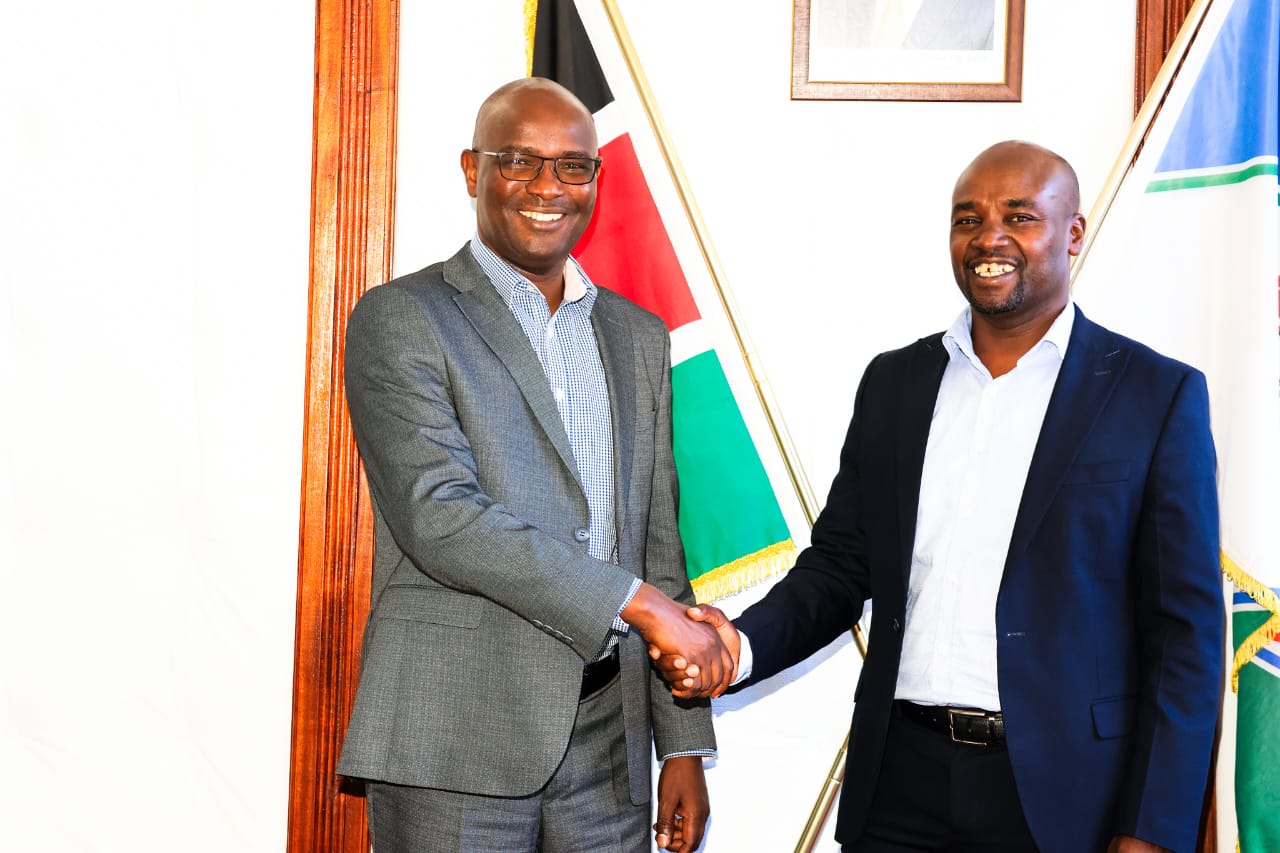
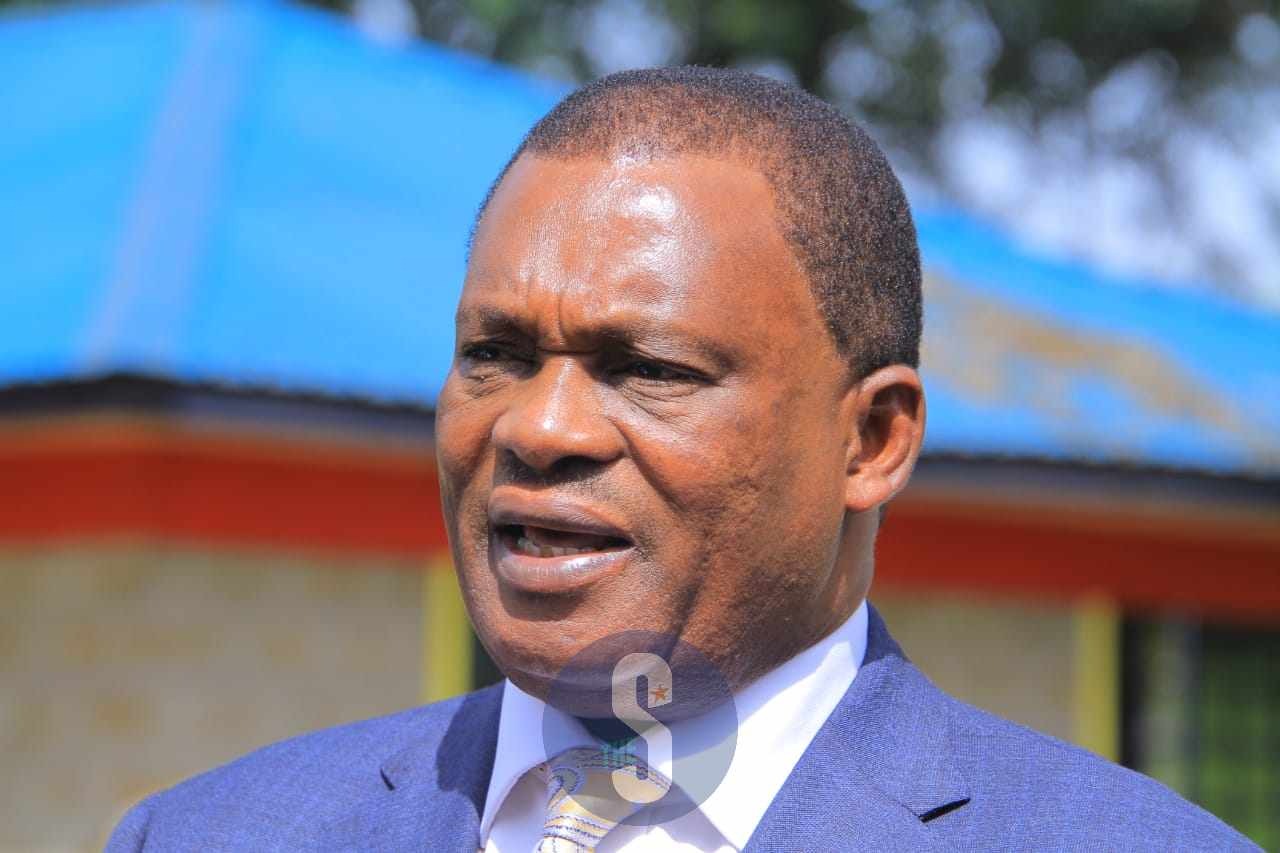
Muriithi with Bomet Governor Hillary Barchok /HANDOUT
“Seeing how emotional and psychological challenges can impact someone’s well-being, productivity and relationships, it made me realise the importance of creating safe spaces for people to express themselves and seek help without fear or stigma,” Muriithi said.
Over time and through the many interactions with people as he champions mental wellness, he developed a deep appreciation for empathy, support and early intervention.
His agenda is to continue contributing to creating awareness, reducing stigma and ensuring everyone has access to the support they need.
To him, the future of mental health advocacy belongs to everyone; you do not need a title or a platform to make a difference. Muriithi said every act of kindness, every supportive conversation and every effort to reduce stigma contributes to a healthier society.
“When we treat mental health as a shared responsibility, we move closer to a country where healing is possible for everyone,” he says. His focus is on constructively handling rejection and grief, building emotional resilience and understanding the silent struggles and invisible burdens.
“Many people navigate deep pain in silence — whether it’s the loss of a loved one, a failed relationship, career setbacks, or feeling undervalued — and the lack of open dialogue can make these moments even more isolating,” Muriithi says.
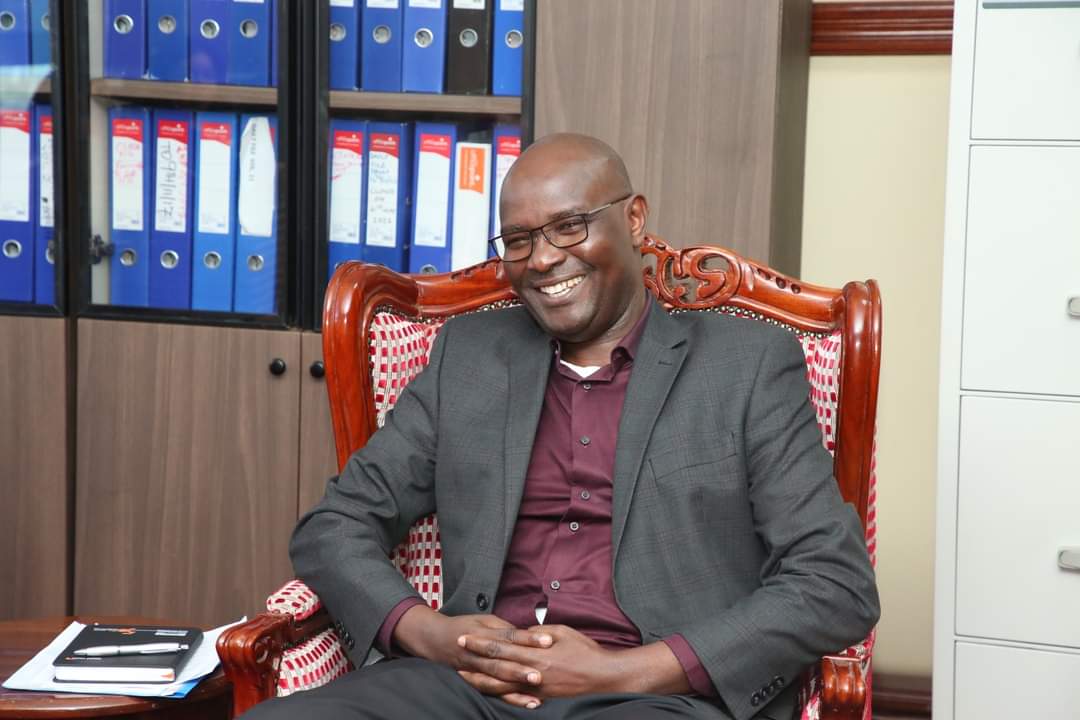
 Muriithi and Senate Speaker Amason Kingi /HANDOUT
Rejection undermines self-worth, confidence and how people present in relationships and professional spaces and when not addressed, can lead to emotional scars, withdrawal, or unhealthy coping mechanisms.
He raises concern about the rising suicide rates in Kenya, especially among youth, working adults and vulnerable communities.
Suicide remains a complex public health issue, influenced by mental health conditions, social and economic pressures, trauma and lack of support, he acknowledges.
To urgently address this problem, Muriithi recommends having difficult but necessary conversations about mental health, early intervention, strengthening access to mental health services, community support and destigmatisation.
To him, every life matters and creating a culture in which people feel heard, supported and valued is the first step toward reducing suicide rates.
“I focus on grief because it is one of the most profound emotional experiences anyone can go through, yet many are unprepared. Grief shapes identity, disturbs routine and tests resilience. By speaking openly about it, I aim to normalise the process, reduce stigma and remind people that healing is possible,” Muriithi says.
The majority of Kenyans, he says, face a combination of structural, financial, social and cultural barriers that limit access to mental health care. Overcoming these requires awareness campaigns, decentralisation of services, integration into primary healthcare and reducing stigma.
Going forward, his goal is to continue expanding his influence and impact in mental health advocacy in ways that are practical, compassionate and community-focused.

“I intend to create more platforms for open conversation — whether through writing, community sessions, or digital content — so that people can speak about their struggles without fear or stigma,” Muriithi says.
He also plans to collaborate with mental health professionals, institutions and support groups to strengthen community-based mental health support systems and to advocate including mental health education in schools, workplaces and public forums, because early awareness and prevention are key.
“I intend to use my voice and my writing to highlight silent struggles such as grief, rejection, burnout and the importance of emotional resilience,” Muriithi says. “and to remind people that mental stress is not a sign of weakness but a crucial part of overall well-being.”
To him, the message is clear” mental health challenges are treatable and seeking help is a sign of strength, not shame. No one should walk their journey alone. “We must continue breaking the silence, challenging stigma and creating spaces where people feel safe to seek help,” he says.“Healing is possible, support is available and every person deserves to be heard, understood and valued.”
Although the Ministry of Health has developed excellent policy and frameworks, their implementation and integration into the broader health system continue to lag behind.
He cites multiple persisting gaps, including severely inadequate funding, shortages in the mental health workforce, uneven service distribution and high out-of-pocket costs, while continuing stigma discourages individuals from seeking care.
“Addressing these systemic layers from strengthening training and financing mechanisms to improving service delivery and community education is essential to building a more responsive and resilient mental health system in Kenya,” he advises.
Muriithi holds two master’s degrees, an MBA and MSc in International Public Health, alongside several postgraduate professional qualifications. He plans to deepen his knowledge and training so he can engage more effectively in awareness, support, and early intervention.
His message to every Kenyan who feels overwhelmed, anxious, depressed, or isolated today is, “You are not alone, and your struggles are valid. Mental health challenges are real, but the good news is that they are treatable and manageable with the right support.”