The United States has taken significant, controversial steps on immigration
policy in late 2025, including suspending the Diversity Visa “green
card lottery” and pausing immigration applications, including some green card
processing.
These decisions are reshaping legal pathways to permanent residency and have
consequences for applicants worldwide, immigration advocates say.
The most recent move came after a pair of high-profile campus shootings.
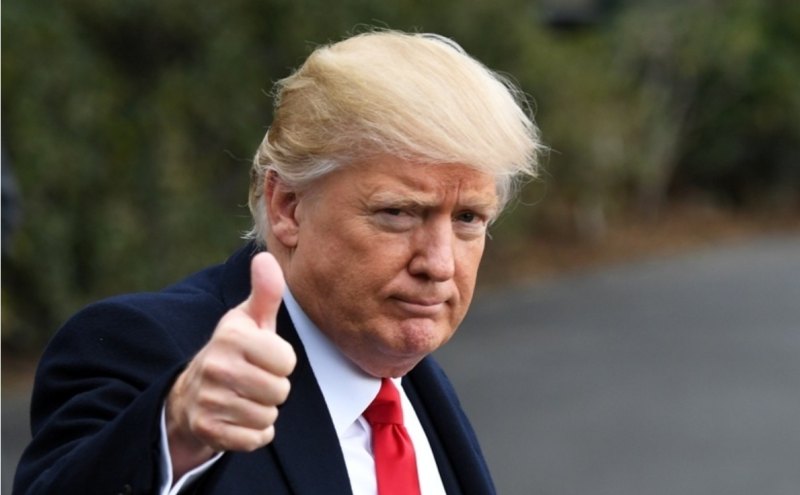
President Donald
Trump directed the suspension of the U.S. Diversity Visa (DV1) Lottery program,
which had annually made up to 50,000 green cards available to people from
countries with historically low rates of immigration to the U.S.
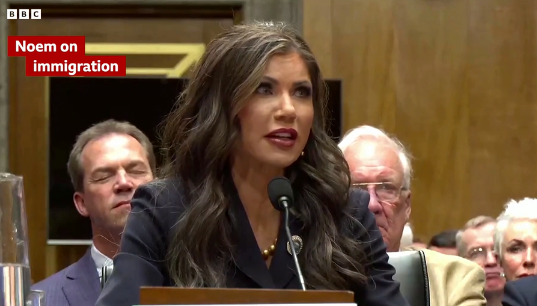
Secretary of Homeland Security Kristi Noem said the suspension was justified on
security grounds, citing that a suspect in the shootings entered the U.S.
through the program.
Noem said in announcing the decision that “this individual should never have
been allowed in our country,” and cited the case of Claudio Manuel Neves
Valente, a Portuguese national who received permanent residency
through the lottery after first entering on a student visa.
Valente is suspected of committing
the shootings at Brown University that killed two students and wounded nine
others, and the killing of an MIT professor.
He was found dead on Thursday evening from a self-inflicted gunshot wound,
officials said.
The announcement frames the lottery suspension as part of a broader national
security strategy.
The lottery was created by Congress, and the move
is almost certain to invite legal challenges.
Lottery winners are invited to apply for a green card. They are interviewed
at consulates and subject to the same requirements and vetting as other
green-card applicants.
What the Suspension Affects
1.
Diversity Visa lottery applicants
The DV Lottery was one of the few pathways to U.S. permanent residency that
did not depend on family connections or employment sponsorship.
Nearly 20
million people applied for the 2025 lottery, with more than
131,000 selected when including spouses, and individuals from across Africa and
other regions participated.
With the program paused, thousands of people who planned to pursue U.S.
permanent residency through the lottery, often because other visa options were
limited, now face uncertainty.
It also raises questions about future eligibility, as the program may be
paused indefinitely or challenged in court.
2. Green
Card applications from certain countries
Separately, U.S. authorities have paused all pending immigration
applications, including green card and citizenship petitions, from nationals of
19
non-European countries designated as of concern.
These countries include Afghanistan, Somalia, Eritrea, Sudan, and others.
Immigration applications from these applicants will be reviewed under expanded
national security vetting before any decision.
This pause affects people at various stages of the green card process,
including refugees and asylum seekers who already underwent extensive vetting, such
as background checks and interviews, to gain their status.
The U.S. Department of Homeland Security has said the review is meant to
enhance security and public safety, though specific criteria and timelines
remain opaque.
Reactions from advocates and legal
experts
Immigration advocates argue these policies will have widespread
repercussions.
Azadeh
Erfani, director of policy at the National Immigrant Justice Center, called the
green card processing halt “a sweeping and indefinite stop”
that could unfairly lump lawful immigrants together with security risks.
Groups representing refugees and asylees have also objected, saying that
people who already passed rigorous screening face additional barriers to
becoming permanent residents.
In response, organizations like the American Immigration Council and the
American Immigration Lawyers Association have filed requests and lawsuits
demanding government transparency about how these suspensions will be
implemented.
Economic and social implications
The suspension and pauses are likely to affect global mobility and long-term
planning for immigrants.
Many applicants pursue green cards through family reunification or
employment opportunities that underpin U.S. economic sectors.
A pause could delay such contributions and complicate workforce planning,
particularly in industries reliant on foreign graduates and skilled workers.
For example, uncertainty around legal permanent residency can impact employment mobility,
especially for those on temporary work visas awaiting adjustment of status.
Without a clear timeline, workers may remain in legal limbo for years.
What remains unaffected
Importantly, official guidance from immigration experts clarifies that
current green
card holders, lawful permanent residents, are not directly affected by the
travel bans or pause in applications.
Those already holding green cards can travel and return to the U.S. as
normal, provided they abide by existing residency requirements.
Looking ahead
Both policy shifts, the suspension of the Diversity Visa Lottery and the
pause on certain green card applications, are expected to face judicial and
political challenges.
The Diversity Visa program was established by Congress and historically
survived past executive pushback.
Legal experts predict that courts may scrutinize any executive action that
alters a statutory immigration pathway without congressional approval.
For now, the immediate implications are clear: thousands of would-be
immigrants must wait longer, face deeper vetting, or seek alternative pathways,
and questions about fairness, national security, and America’s role as a
destination for legal immigration will continue to dominate public debate.