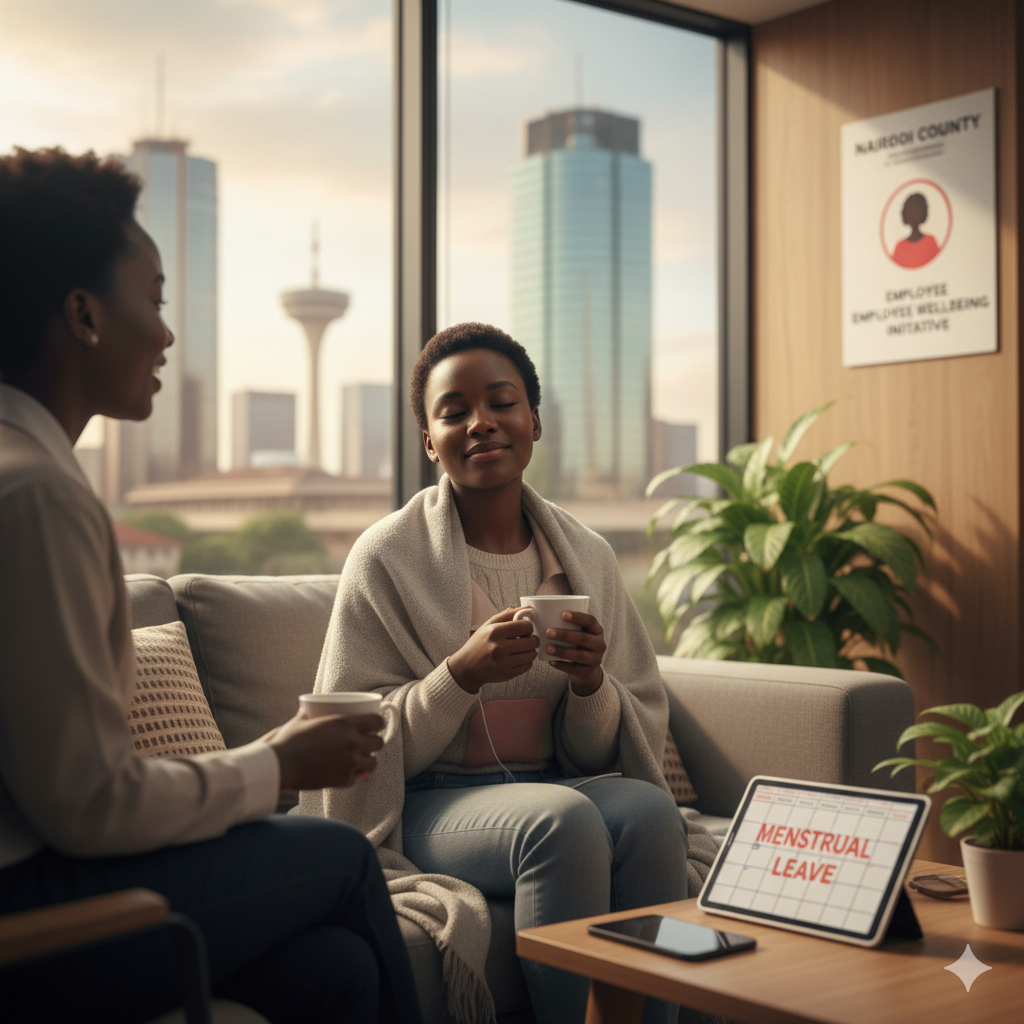
 AI Illustration
The recent directive by the Nairobi
County Government granting its female employees two days of paid menstrual
leave each month has ignited fresh debate and discussion not only in Kenya, but
globally.
This move by Nairobi places it among
a growing, yet still relatively small, cohort of regions and nations exploring
how best to support women in the workplace during their menstrual cycles.
Menstrual leave — a formal workplace
entitlement that allows people to take time off for disabling period pain or
other menstrual symptoms — exists in only a handful of countries, and its
real-world impact has been mixed.
At its core, menstrual leave
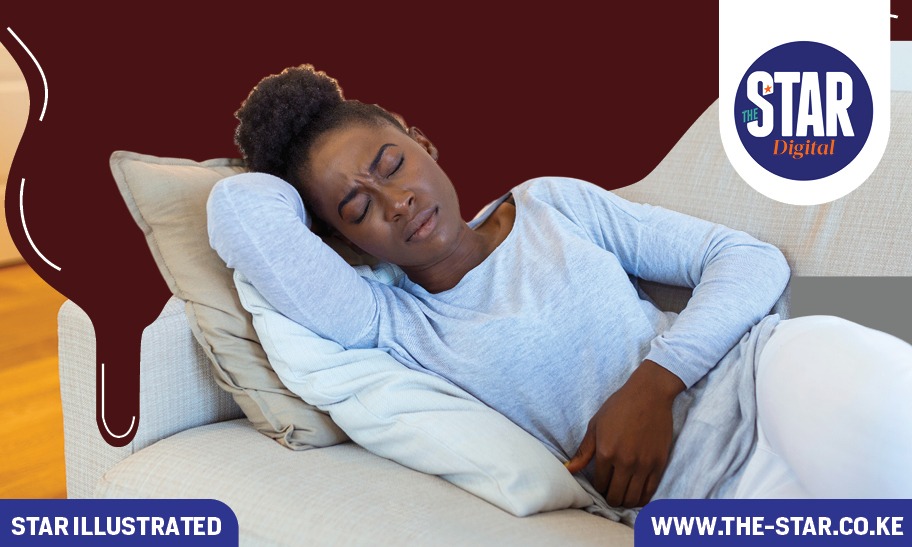
acknowledges that for many women, menstruation is not merely an inconvenience
but can be a debilitating experience accompanied by severe pain, fatigue, and
other symptoms that make regular work difficult, if not impossible.
While the concept has existed for
decades in some parts of the world, its global prevalence remains sporadic,
marked by a patchwork of successes, challenges, and ongoing resistance.
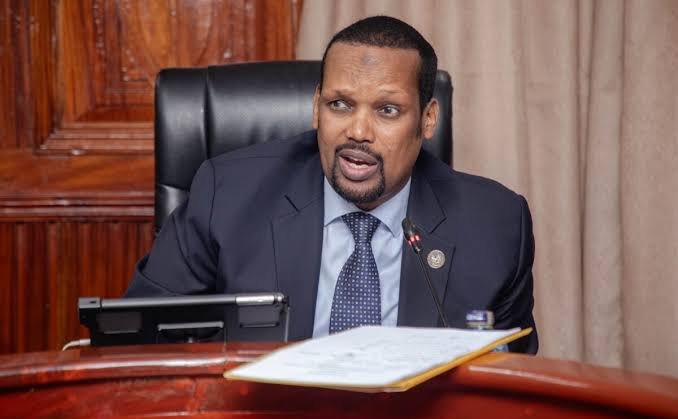
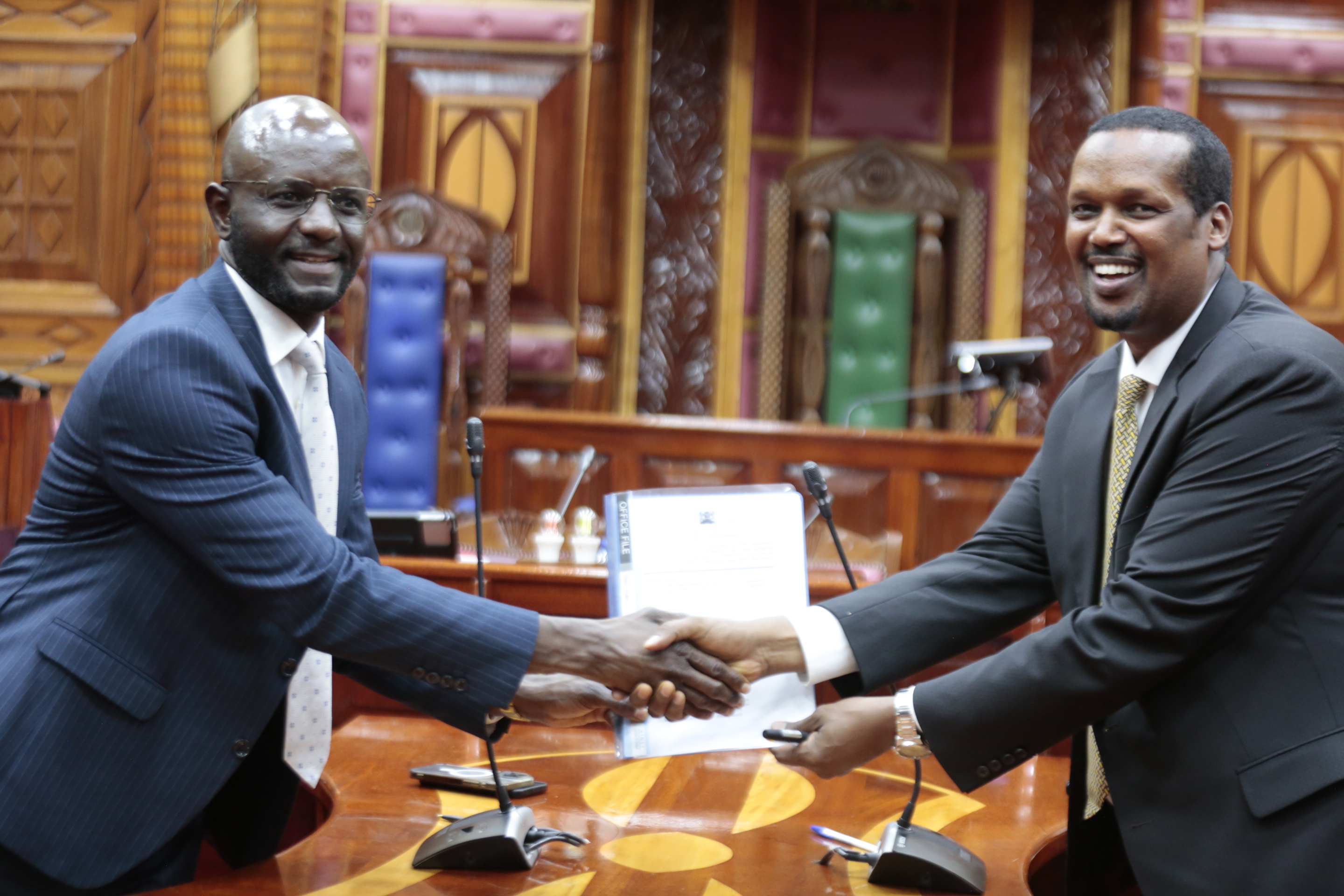
Nairobi’s directive, announced by
Governor Johnson Sakaja, represents a significant moment for workers’ rights in
Africa.
“Female employees will be entitled
to two days of paid menstrual leave every month, without any deduction from
their annual leave,” Sakaja declared, emphasising the county’s commitment to
supporting its female workforce.
The move aims to address the silent
suffering many women endure, often forcing them to work through severe
discomfort for fear of being perceived as weak or less committed.
The implementation of this policy in
Nairobi will be closely watched. Advocates hope it will set a precedent for
other counties and even national governments across Africa, a continent where
cultural norms often discourage open discussion about menstruation.
The idea of menstrual leave is far
from new. Some countries have had policies in place for decades, while others
are only beginning to grapple with the concept.
Japan
Japan is one of the earliest
adopters, having introduced menstrual leave — known as seirikyuuka — as
far back as 1947.
This post-World War II labour law
recognised the physical toll menstruation could take on women working in
factories and other demanding environments.
However, while the entitlement is
enshrined in law, its use has declined significantly over the years.
Data from Japan’s Ministry of
Health, Labour and Welfare shows that fewer than one per cent of eligible women
take menstrual leave.
Indonesia
Indonesia introduced menstrual leave
in its labour law in 2003, allowing female employees up to two days of paid
leave per month if they experience pain during menstruation.
However, as in Japan, implementation
has been inconsistent.
Many companies require medical
certificates, creating additional barriers, while others simply fail to comply
with the law.
Spain
In a landmark decision in February
2023, Spain became the first European country to introduce paid menstrual
leave.
The law allows women experiencing
debilitating periods to take up to three days of paid leave per month, with the
possibility of extension, subject to a doctor’s note.
The move was celebrated by women’s
rights advocates as a progressive step. Spain’s Equality Minister, Irene
Montero, hailed the law as “a great step forward for the equality and health of
women.”
Zambia
Zambia has had “Mother’s Day” — a
monthly day of menstrual leave — enshrined in its labour laws since 1996.
Unlike in some other countries,
implementation has often been cited as relatively successful, with many women
regularly using the entitlement.
This success is partly attributed to
greater cultural acceptance of the leave and less stigma attached to its use.
What works, what doesn’t
Global experiences with menstrual
leave offer valuable insights into effective implementation and common
pitfalls.
Countries with higher uptake tend to
have clear, unambiguous policies that are well communicated to both employers
and employees. Z
ambia’s “Mother’s Day,” for example,
is explicitly defined and widely understood, making it easier for women to
access the entitlement without confusion.
Cultural acceptance also plays a
critical role. In workplaces where menstruation is openly discussed and not
treated as a taboo, women are more likely to use menstrual leave without fear
of judgement.
Educational initiatives and visible
leadership support have been shown to reduce stigma and normalise menstrual
health as a legitimate workplace issue.
Policies that do not require medical
certificates for short-term menstrual leave have also proved more effective.
Requiring a doctor’s note for a
routine biological process can create unnecessary financial and logistical
barriers, particularly for low-income workers.
Conversely, stigma and
discrimination remain the most significant challenges. Even where policies
exist, many women are reluctant to take menstrual leave out of fear of being
perceived as less productive or unreliable.
“Many women are afraid that taking
menstrual leave will negatively impact their career progression or lead to
discrimination from employers,” observes Dr Okamura.
Weak enforcement and low awareness
further limit impact. In countries such as Indonesia, where the law exists but
is poorly enforced or communicated, many employees remain unaware of their
rights.
Employer resistance has also
hindered implementation, often driven by misconceptions that all women will
take the leave every month — a fear evidence suggests is largely unfounded.
Finally, policies that pressure
women to prove their level of suffering through excessive documentation or
invasive questioning have been counterproductive, deterring access rather than
promoting dignity.
The path forward
For menstrual leave to be truly
effective, it must be supported by robust educational campaigns to
de-stigmatise menstruation and ensure both employers and employees understand
the policy. Strong enforcement mechanisms are essential to prevent the
entitlement from existing only on paper.
Equally important is visible
leadership commitment to creating workplaces where women feel safe and
supported when using menstrual leave.
Flexibility remains key, recognising
that menstrual experiences vary widely and that a one-size-fits-all approach
may fail to meet individual health needs.