

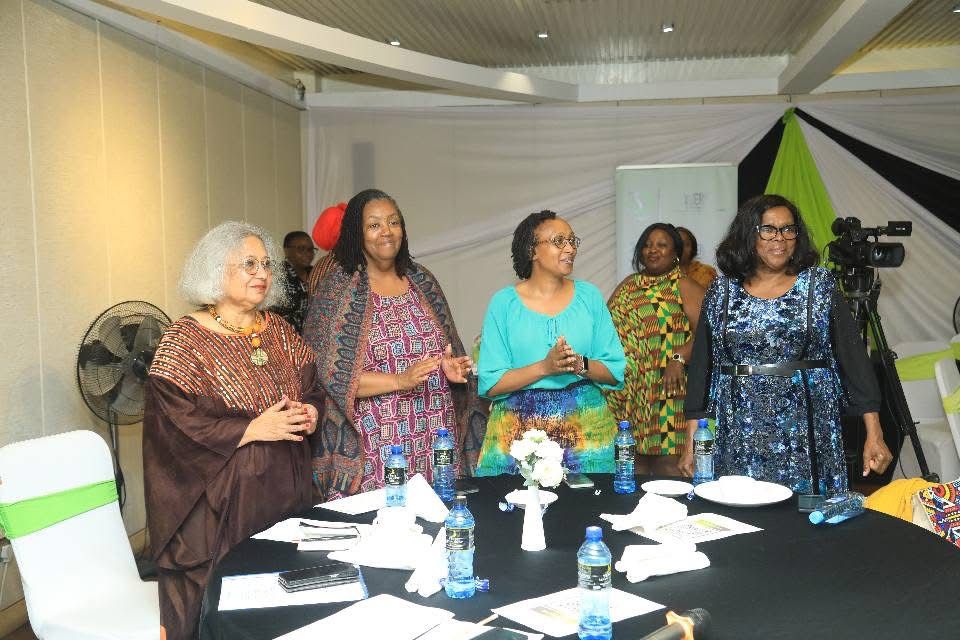
 Founding members of Women Educational Researchers of Kenya during a forum to mark 3 decades of existence/ HANDOUT
Thirty years of gender-focused education research in Kenya point to a system that has steadily expanded access while struggling to deliver equity in outcomes, safety, and opportunity for girls and women.
The reflections shared at Women Educational Researchers of Kenya (WERK) forum marking three decades of organised gender research offered a window into how evidence has shaped policy and where gaps remain.
In the mid-1990s, women researchers came together in response to a persistent absence of gender analysis in education planning and scholarship.
At the time, national debates were largely centred on enrolment numbers, with limited attention to how poverty, culture, school environments, and policy design affected girls’ participation and progression.
Over the years, research generated through this movement has helped reframe education as not only an access issue, but also one of quality, power, and inclusion.
Speaking at the forum, the organisation’s CEO Sophia Yiega reflected on how the scope of gender research has broadened alongside changes in Kenya’s education landscape.
She said early studies focused on barriers to girls’ enrolment and retention, more recent work has examined school safety, sexual and gender-based violence, digital divides, teacher practices, and the unequal effects of education reforms across regions and social groups.
“The questions have changed as the system has changed. As access improved, research began to ask who is being left behind, why disparities persist, and how policy decisions play out in classrooms and communities,” Yiega said.
According to her, one clear lesson from three decades of research is the importance of decentralised evidence. Studies conducted beyond urban centres have highlighted how national policies often intersect with local realities in uneven ways.
Research and programme work carried out in counties such as Kajiado, Kilifi, Homabay, and Busia have shown that gender inequality in education is shaped as much by geography and economic context as by national legislation.
The discussions also pointed to the role of sustained partnerships in turning research into policy-relevant knowledge.
Collaboration with universities, government agencies, and development partners has allowed findings to feed into curriculum reforms, community interventions, and monitoring frameworks, even when progress has been incremental.
The forum coincided with the launch of a new five-year strategic plan covering 2026 to 2030, signaling a shift towards emerging challenges in the education sector.
These include digital learning, data governance, and systemic inequality, areas where gender gaps risk widening if not explicitly addressed. The long-term vision guiding this work looks beyond individual projects to structural transformation in how education systems respond to evidence.
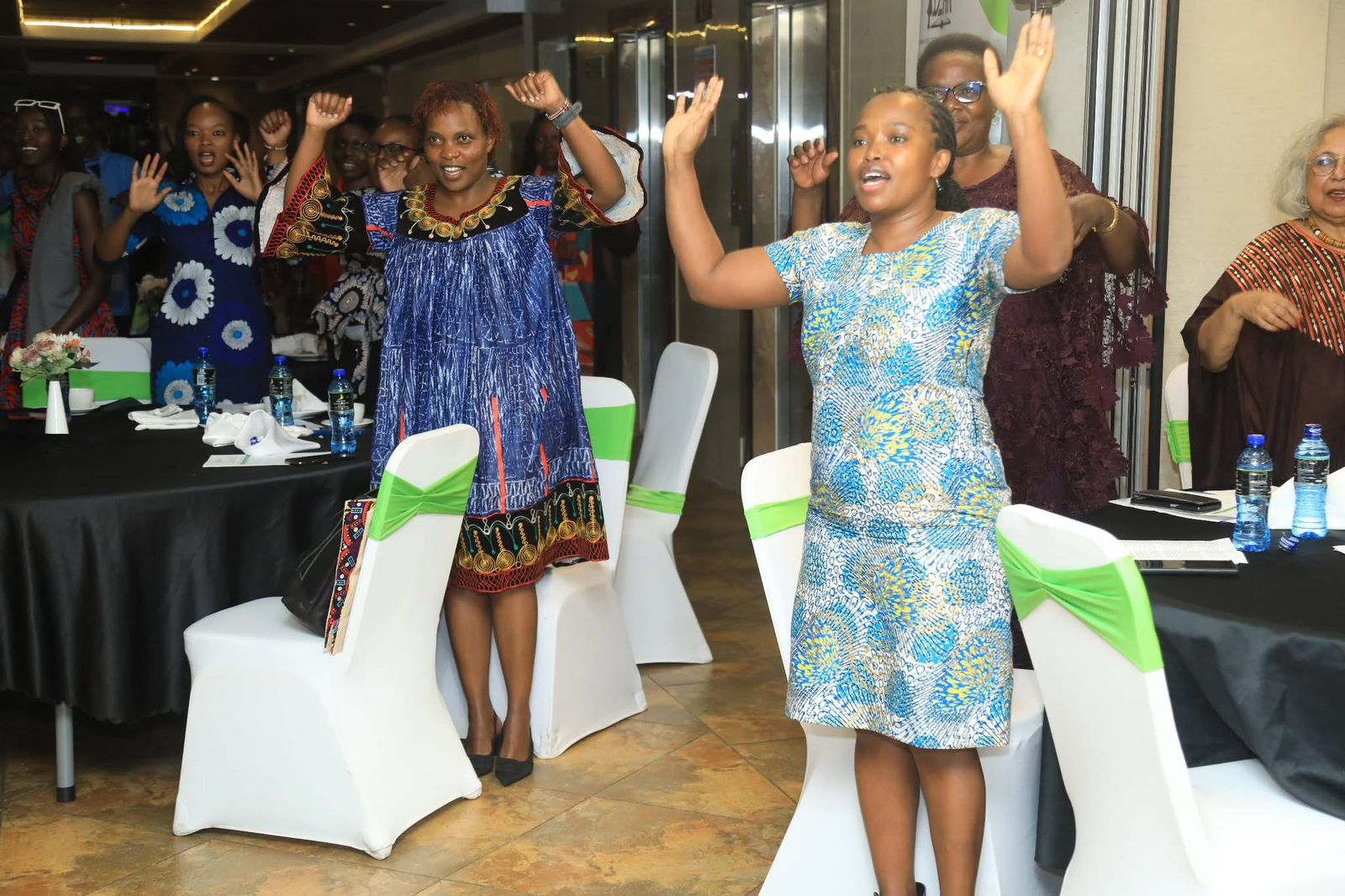 Attendees during the WERK forum to mark 3 decades of existance / HANDOUT
A keynote address by Professor of Education at Kenyatta University Fatuma Chege situated these developments within a longer historical arc.
She argued that Kenya’s education system has benefited from research that consistently foregrounds the experiences of women and girls, even when such perspectives were politically or institutionally marginal.
“For three decades, gender research has helped sharpen education policy debates by asking uncomfortable but necessary questions. It has informed policy, influenced advocacy, and built research capacity in professional spaces where women’s voices were once absent,” she said.
Prof. Chege cautioned, however, that looking ahead requires honest engagement with past successes and failures.
She emphasised the need for institutional memory comprehensive documentation of what has worked, what has not, and why. Without this, she argued, future interventions risk repeating old mistakes under new policy frameworks.
Reflecting on changes in research practice, she noted the transition from analogue to digital methods and the growing influence of younger scholars.
This intergenerational exchange, she said, mirrors shifts within the education system itself, where technology, demographics, and social norms are reshaping both teaching and learning.
As Kenya’s education sector confronts rising inequality, technological disruption, and persistent gender-based barriers, the lessons from thirty years of research remain relevant.
According to her, three decades of gender research reveal an education system in motion, one that has learned to listen more closely to evidence, but still faces hard choices about how fully it is willing to act on what that evidence shows.