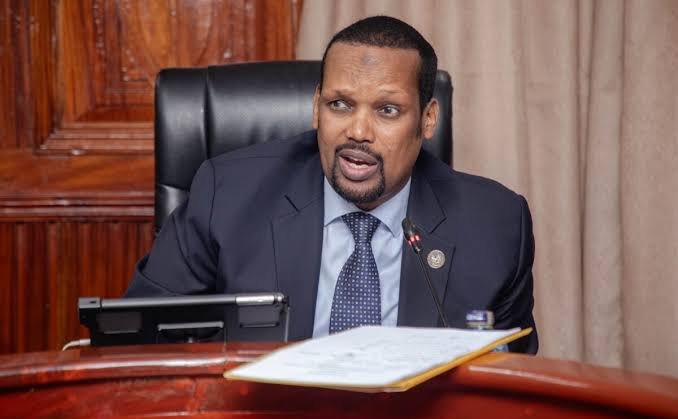
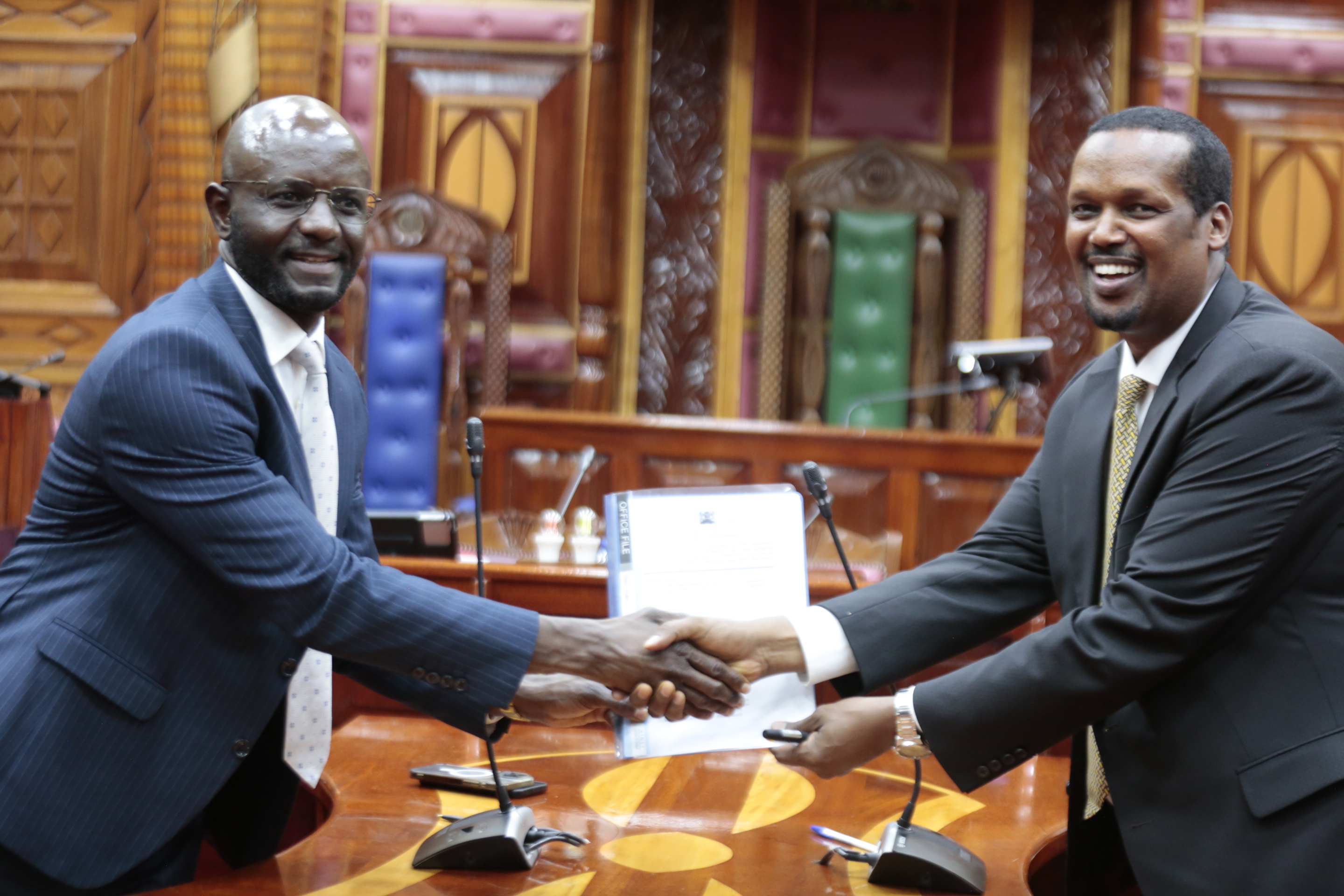
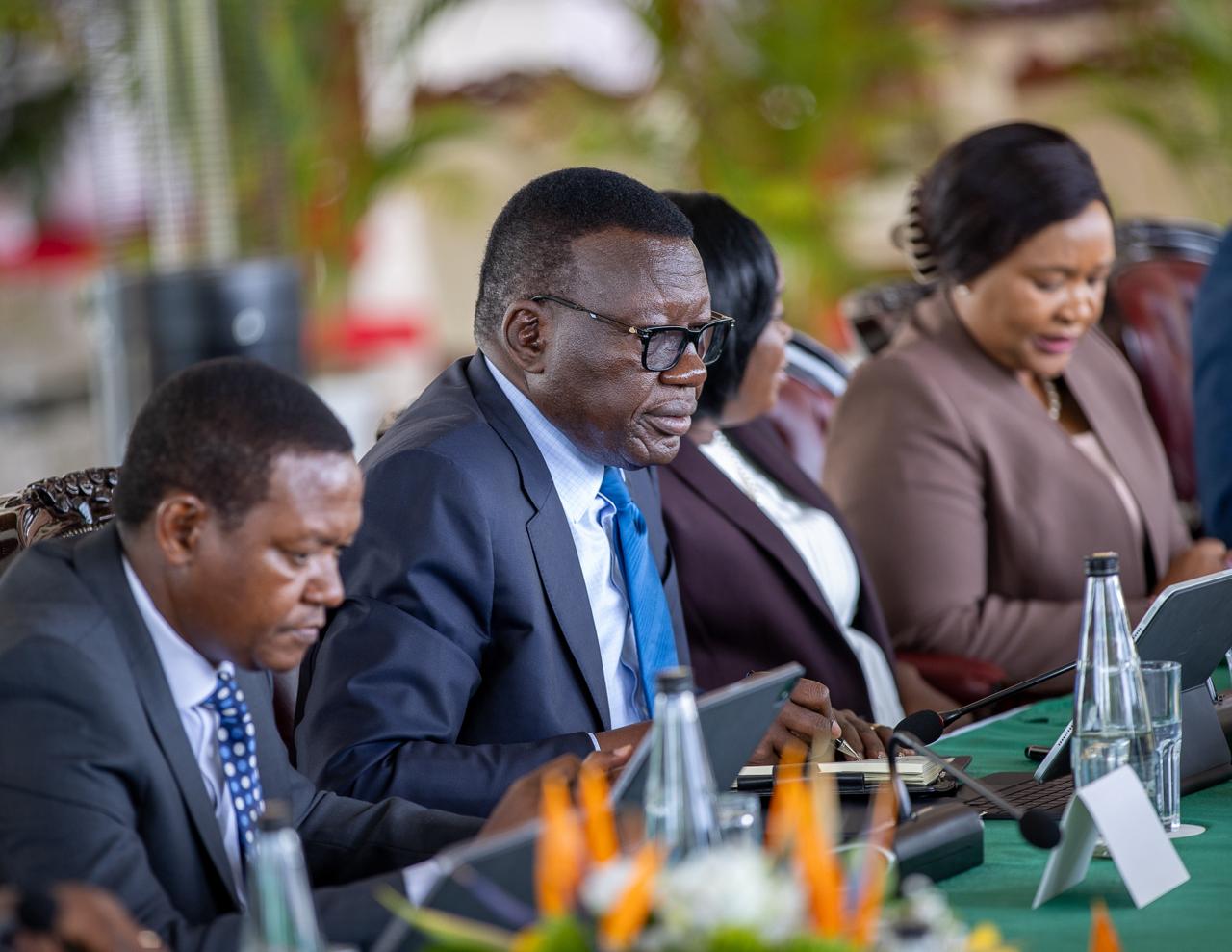
 Members of the Cabinet during a meeting chaired by President William Ruto at State House Nairobi on December 15, 2025 / PCS
The Naivasha–Kisumu Standard Gauge Railway (SGR) is among major transport projects set to benefit from a new financing model approved by the Cabinet.
This comes at a time when the government is moving to accelerate infrastructure delivery while easing pressure on public finances.
According to a Cabinet dispatch, the innovative financing framework is designed to mobilise resources for priority transport investments by attracting private capital and diversifying funding sources.
The approach is expected to support large-scale projects that have been constrained by high upfront costs under traditional public financing.
In addition to the Naivasha–Kisumu SGR Phase 2B, the plan covers the proposed SGR link to Uganda and the Nairobi Railway City Central Station, positioning rail infrastructure as a central pillar of the country’s transport and regional integration strategy.
Urban mobility projects have also been included under the financing plan, these comprise Bus Rapid Transit (BRT) Lines 2 and 3, commuter rail services, and non-motorised transport infrastructure aimed at reducing congestion and improving connectivity within major cities.
The Cabinet said the new financing model will enable better project sequencing and faster implementation, while strengthening oversight and risk sharing between the public and private sectors.
They noted that the shift is intended to improve value for money and enhance long-term sustainability of infrastructure investments.
The government expects the investments to boost trade, ease the movement of
people and goods, and support economic growth, while aligning transport
development with broader goals of urban efficiency, regional connectivity, and
sustainable mobility.
The Cabinet further approved the National Energy Policy, a move aimed at guiding
reforms in the energy sector and accelerating access to modern, reliable, and
sustainable energy across the country.
According to a Cabinet dispatch released on
Monday, the policy responds to long-standing challenges that have constrained
energy development including low electricity access, heavy reliance on
traditional biomass, unreliable power supply, limited private investment, and
growing climate-related risks.
It sets out measures to expand renewable energy, strengthen private sector
participation, and promote climate-resilient energy infrastructure to support
economic growth and social development.
“In support of energy expansion, the Cabinet approved the National Energy
Policy to guide sector reforms and accelerate access to modern, reliable and
sustainable energy,” the dispatch read.
In the same meeting, Cabinet endorsed the
National Petroleum Policy, updating a framework that has remained largely
unchanged since 2004.
The revised policy aligns the petroleum sector with the Constitution and
reflects recent developments, including oil discoveries and evolving global
energy markets.
The petroleum policy seeks to strengthen
governance and regulatory oversight, attract investment, enhance national
energy security, and promote value addition within the sector.
It also prioritises increased uptake of liquefied petroleum gas (LPG) to reduce reliance on traditional fuels, improve revenue management, and ensure environmental protection in upstream, midstream, and downstream activities.