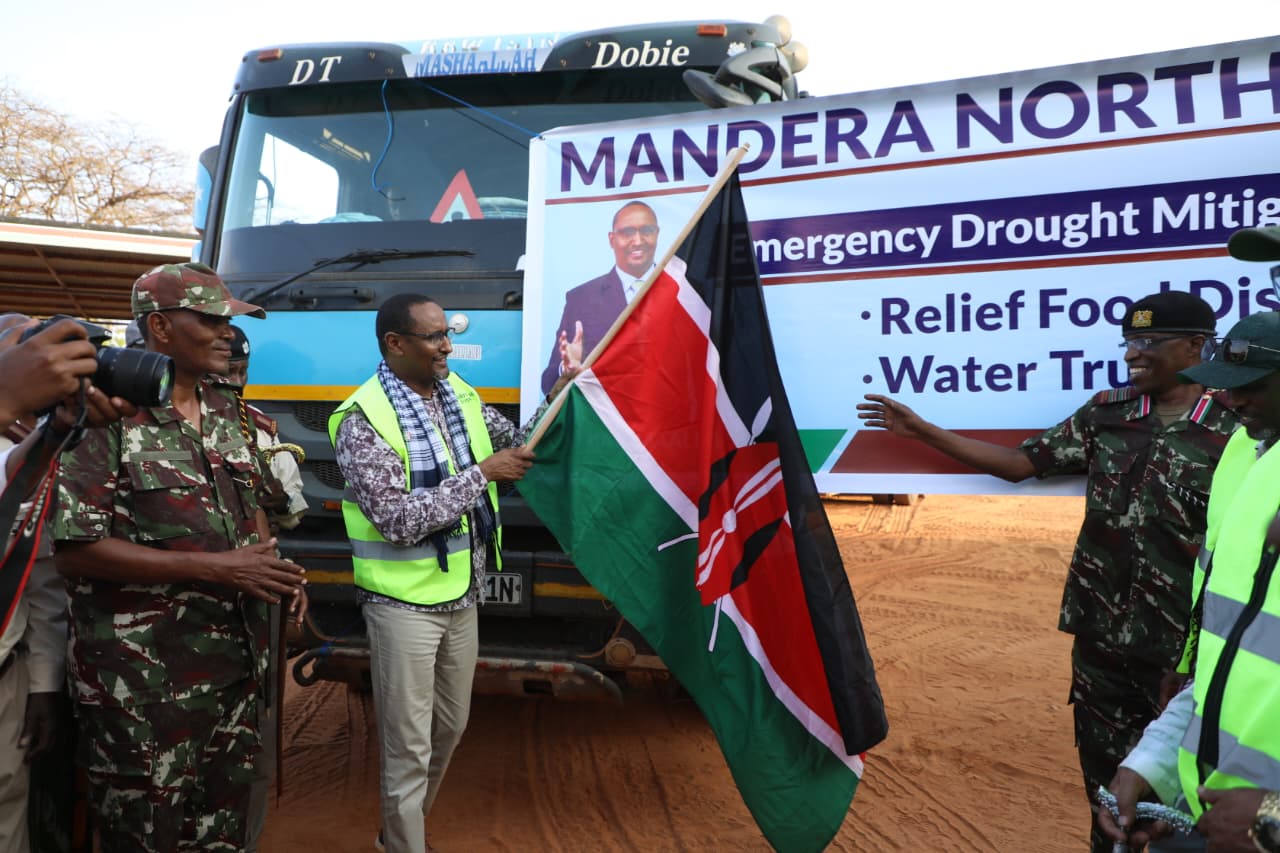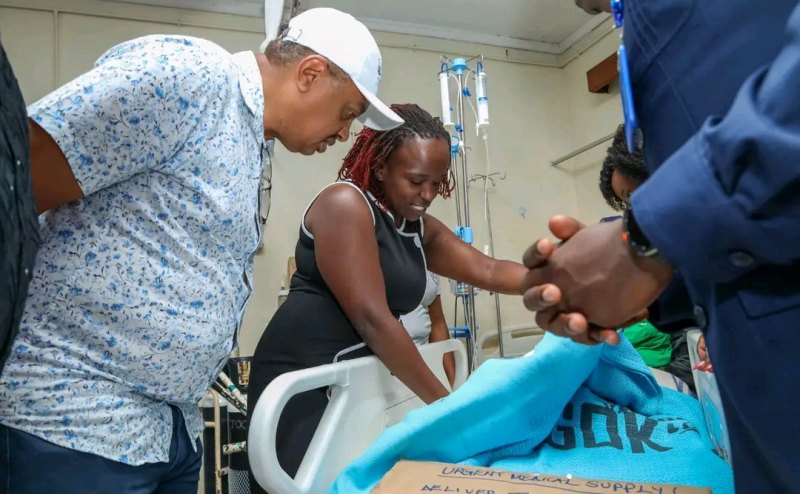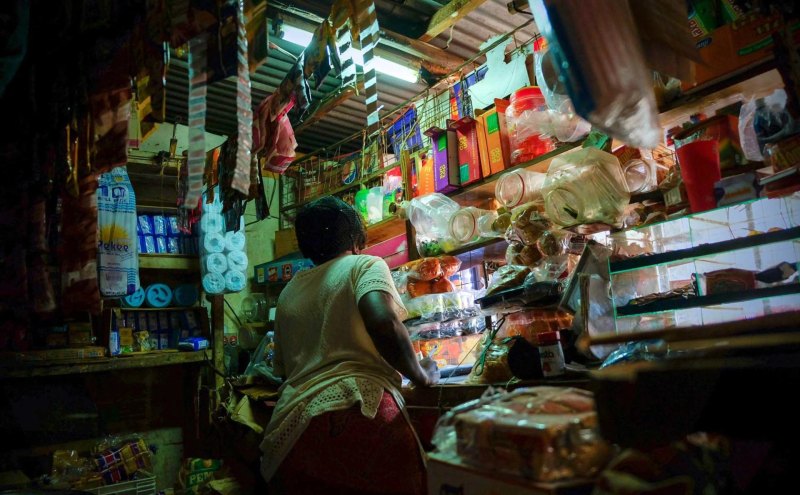
 Deputy President Kithure Kindiki when he convened a multi-agency forum to assess drought crisis/DPCS
Deputy President Kithure Kindiki convened a high-level meeting with senior government officials Monday, to assess the severity of the ongoing drought.
The meeting sought to determine the scale and cost of
interventions required to save lives and protect livestock across affected
regions.
Held at his Harambee Annex office, the meeting brought together Cabinet Secretaries, Principal Secretaries, Chief Executive Officers and heads of key Ministries, Departments and Agencies, alongside representatives of the Council of Governors.
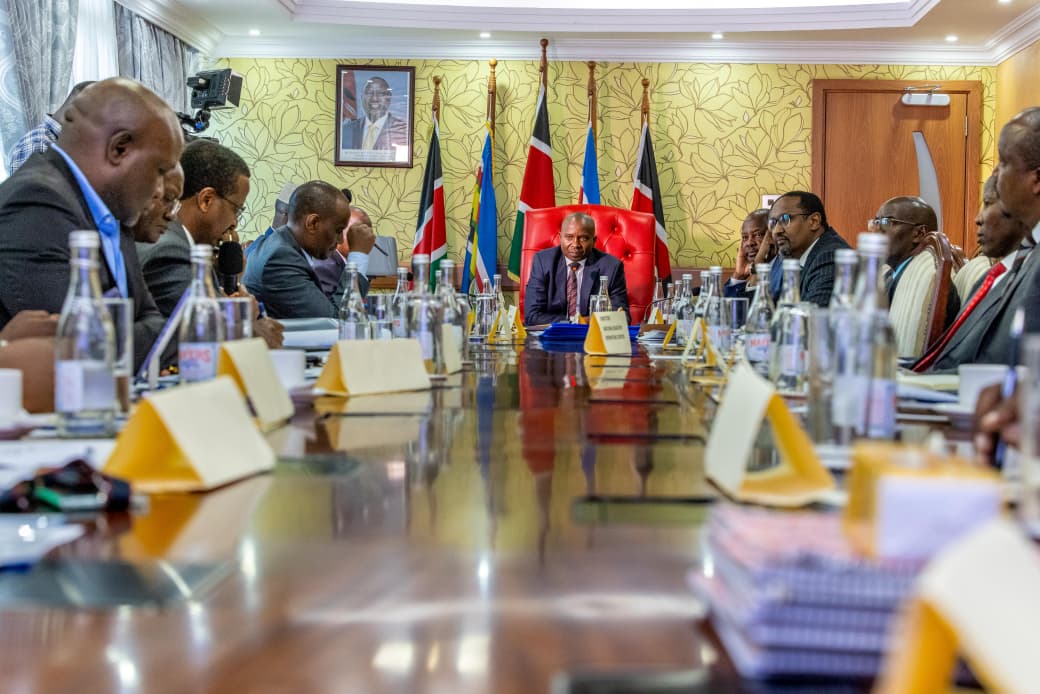 Deputy President Kithure Kindiki when he convened a multi-agency forum to assess drought crisis/DPCS
Kindiki said the meeting reviewed urgent interventions needed to provide both food and non-food support to vulnerable households, as well as livestock feed, water and health services to mitigate the effects of the prevailing dry conditions.
He noted that the October to December short rains had significantly underperformed, worsening food insecurity in many parts of the country.
According to the Deputy President, an estimated 2.1 million people across 32 counties are currently exposed to food and nutritional insufficiency as a result of the failed short rains.
 Deputy President Kithure Kindiki when he convened a multi-agency forum to assess drought crisis/DPCS
Data from the Kenya Meteorological Department indicates that the affected counties will require sustained human and livestock food assistance, nutrition support and health interventions for at least the next six months.
By that time, the harvest from the March to May long rains is expected to be nearing readiness, offering some relief if the rains perform as forecast.
“A follow-up meeting incorporating representatives of development partners and non-governmental humanitarian institutions, as well as the private sector, will be held tomorrow (Tuesday), after which the government will announce a comprehensive roadmap for mitigating the drought situation,” Kindiki said.
The drought has already triggered severe food insecurity in several regions, with recent reports warning that people living in ASAL counties are at heightened risk of acute hunger.
Projections indicate that the number of affected households could rise further if dry conditions persist into the coming months.
International and local humanitarian agencies have scaled up response efforts to cushion vulnerable communities.
The Kenya Red Cross Society (KRCS), with support from the International Federation of Red Cross and Red Crescent Societies (IFRC), has intensified food distribution, cash transfer programmes, nutrition outreach and water, sanitation and hygiene interventions in hard-hit areas.
According to the latest drought response data, KRCS and its partners have reached tens of thousands of households with life-saving assistance.
At the same time, resilience-building measures such as the distribution of drought-tolerant seeds, pasture management programmes and community water projects are being implemented to help communities better withstand future climate shocks.
Recent meteorological and food security assessments paint a grim picture, showing that the poorly performing short rains have pushed large parts of northeastern Kenya into Crisis (IPC Phase 3) levels of food insecurity.
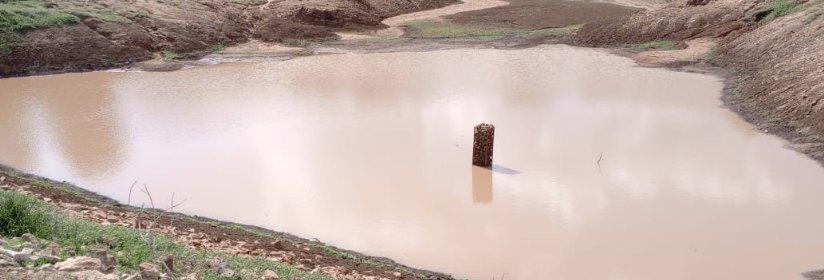
Rainfall totals in some areas were recorded at 30 to 60 percent below average, while most northern water points are classified as either near-dry or on alert status, increasing the risk of water shortages for both people and livestock.