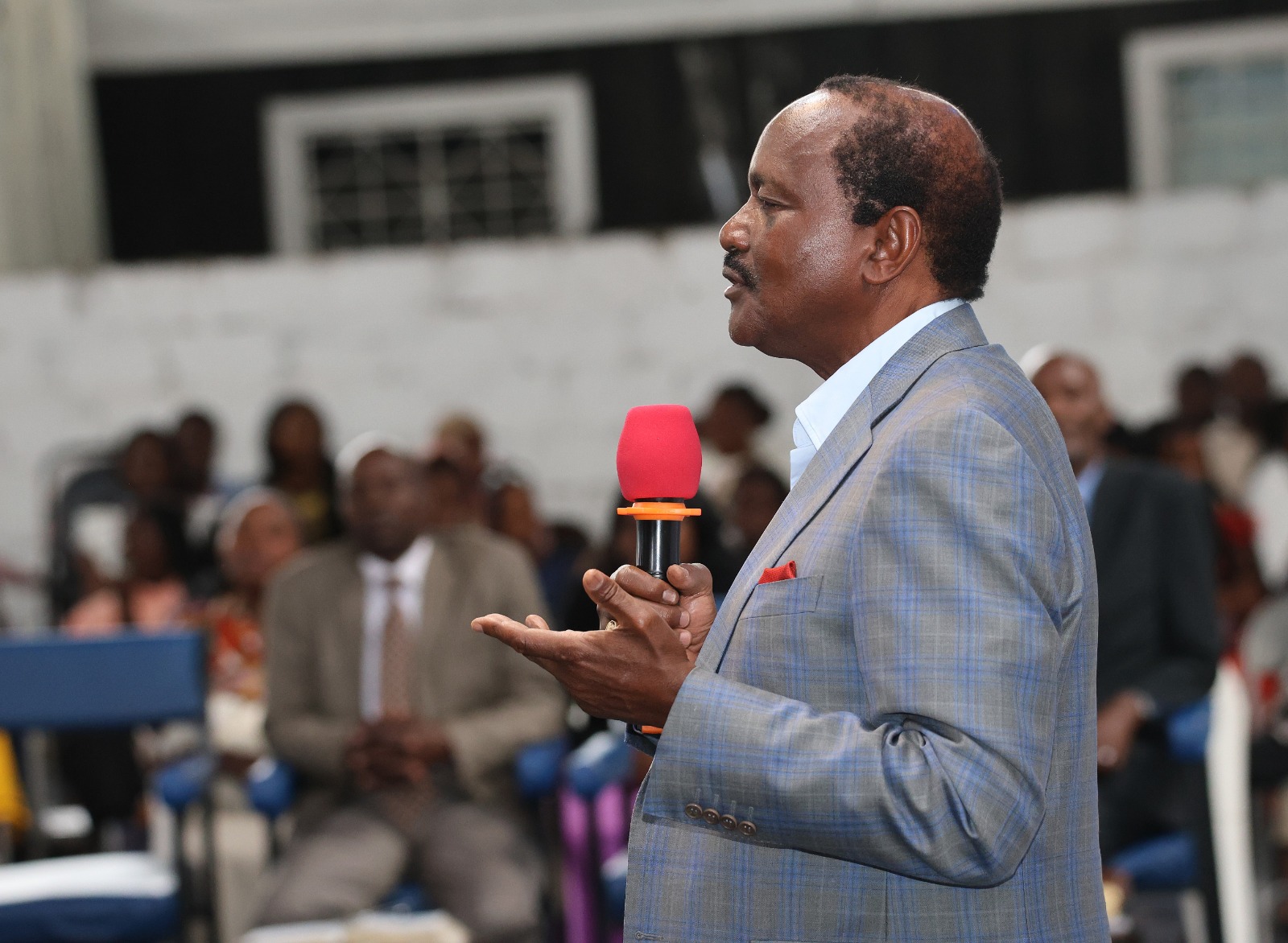
His solid voter base
in Ukambani, national appeal and grassroots networks have positioned him as a
politician who could determine the shape and strength of alliances ahead of the
next presidential contest.
Within the
opposition coalition, Kalonzo is widely seen as an indispensable pillar, one
whose absence would be difficult to compensate for.
At the same time,
the ruling Kenya Kwanza administration appears increasingly aware of his
political value.
With shifting
alliances expected before 2027, politicians in Kenya Kwanza believe that
drawing Kalonzo closer, or at the very least neutralising his influence, would
significantly weaken the opposition’s ability to block President William Ruto’s
re-election bid.
For Kenya Kwanza,
winning over Kalonzo would deliver a dual advantage; boosting their own
coalition while simultaneously dealing a blow to their rivals.
The Wiper leader has
emerged as a figure whose decisions will likely shape coalition-building
efforts and, ultimately, the race for the presidency.
Former Deputy
President Rigathi Gachagua has been vocal about Kalonzo’s importance to the
opposition.
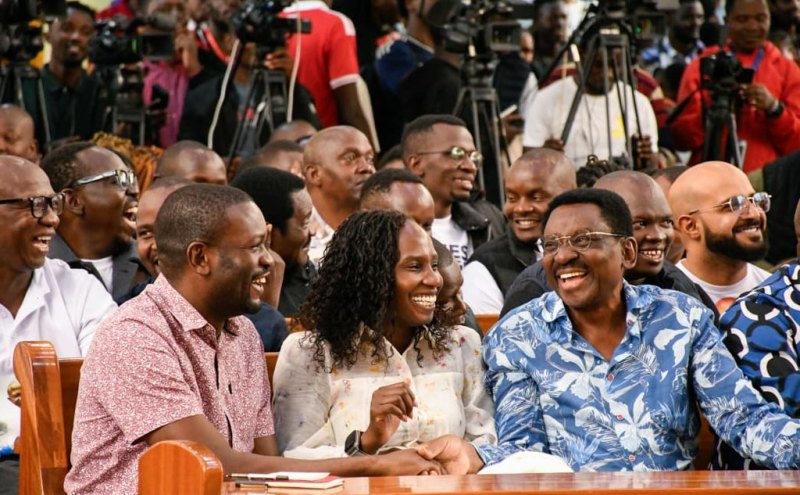
Speaking at a church
service in Kasarani, Nairobi recently, Gachagua dismissed claims that Kalonzo
might be swayed to join the government.
“There have been
efforts to woo Kalonzo to their side. They have been trailing him everywhere
and inviting him to join them, but I want to assure you that my cousin here
cannot betray the people of Kenya,” he said.
He further
emphasised that the opposition is counting on Kalonzo’s political experience,
especially as it works to craft a winning formula for Nairobi in 2027.
Even as he extended
an invitation to ODM to consider working with his faction, Gachagua made it
clear that the Orange party could, if unwilling to cooperate with him, still
collaborate with Kalonzo.
“We are asking ODM
to join us. Even if you do not want to sit with me, sit with Kalonzo,” he
declared. “You have been together with him for 15 years. Do not get lost.”
His message marked a
notable shift for the Democracy for Citizens Party leader, who has been pushing
for a ‘United Opposition’ coalition.
Meanwhile, leaders
in ODM have acknowledged Kalonzo’s political relevance but raised concerns
about some individuals in his inner circle.
“Luos have no
problem with Kalonzo Musyoka but they have a problem with some of his friends,”
Homa Bay Senator Moses Kajwang recently said.
ODM’s relationship
with the ruling side remains complicated. Although the party is still formally
part of the Azimio coalition, its leadership has adopted a softer tone towards
State House.
A number of ODM
legislators, particularly from regions that have benefited from government
development projects, have openly warmed up to the idea of closer ties with the
Kenya Kwanza administration.
However, this shift
has caused internal friction. ODM loyalists fear that leaning too closely
towards Ruto could erode the party’s identity and unsettle long-standing
coalition arrangements.
Kalonzo’s command in
Ukambani remains formidable.
According to the
IEBC 2022 voter register, Kitui, Machakos and Makueni had 532,758, 687,565 and
479,401 registered voters respectively, amounting to about 1.7 million voters
in the region.
Nationally, this
makes Ukambani one of the most influential voting blocs.
Beyond Ukambani, the
Kamba community’s significant presence in Nairobi adds further weight to
Kalonzo’s influence.
But not everyone is
convinced that leaders in the United Opposition are genuine. Mwala MP Vincent
Kawaya has warned Kalonzo against falling for what he described as political
manipulation.
“They are only using
him for convenience, not because they believe he can win,” he said.
Kawaya believes the
opposition is well aware of Ruto’s political strength and is relying on
Kalonzo’s influence to maintain relevance.
He said he is not
trying to undermine the Wiper leader but wants him to work with the government
for the benefit of the Ukambani region.
On the other hand,
Machakos Deputy Governor Francis Mwangangi, a firm ally of Kalonzo, dismissed
attempts by Kenya Kwanza leaders to woo the Wiper chief.
He said the ruling
coalition knows it cannot realistically secure victory in 2027 without
Kalonzo’s support.
“Kalonzo will be the
next President, in 2027, not 2032. Those thinking they can lure him for lesser
positions should forget about it,” Mwangangi said.
He also urged
Kalonzo to distance himself from unpopular Kenya Kwanza-aligned politicians in
Ukambani.
In October, the
political scramble intensified when Ruto’s allies took their charm offensive
directly to Kalonzo’s home turf in Katse, Mwingi North.
The lawmakers urged
him to abandon the opposition and work with the government ahead of 2027,
telling an enthusiastic crowd that it was time for Kalonzo to “choose
development over isolation”.
Nominated Senator
Beth Syengo warned that those outside government risked being left in the
political cold.
Nominated Senator
Tabitha Mutinda also urged Kalonzo to “make a strategic decision” and align
with the Head of State.
Whether he joins the
government, stays with the opposition or charts a new path, Kalonzo has become
the most pursued political figure ahead of 2027.