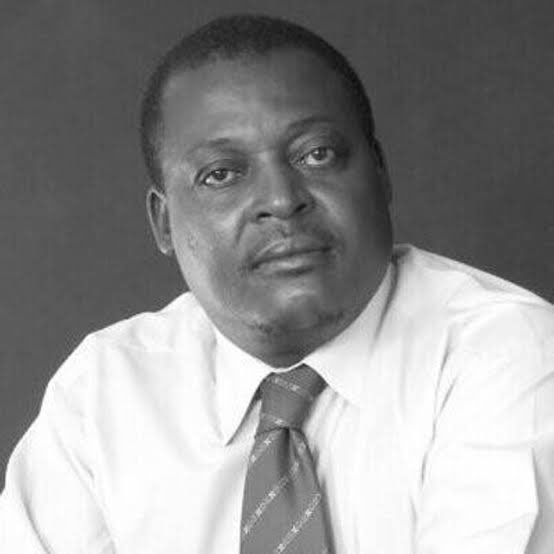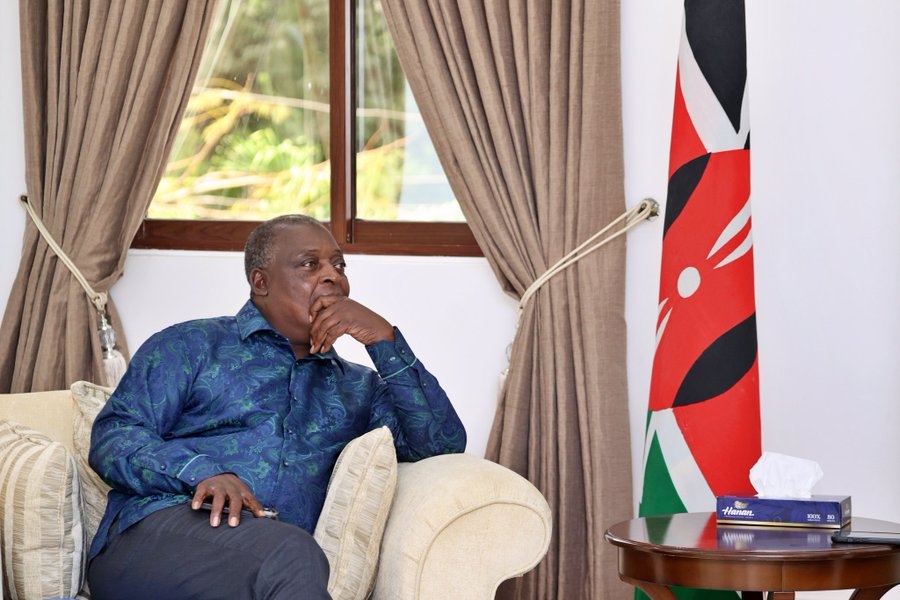


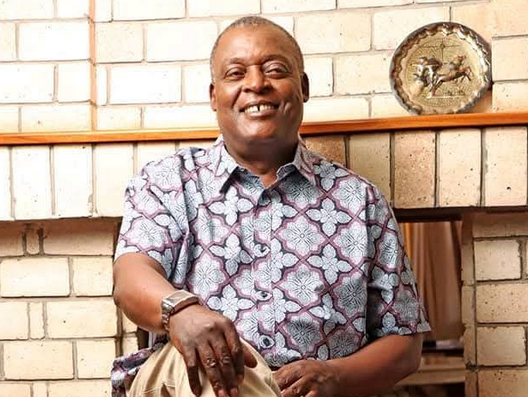
A video has emerged showing former Lugari MP Cyrus Jirongo offering advice to
young members of the Tiriki community, shortly after news of his death in a
road accident circulated.
The former
Minister’s life and legacy have once again taken centre stage as Kenyans
reflect on his impact and his message about cultural identity and
heritage.
Jirongo,
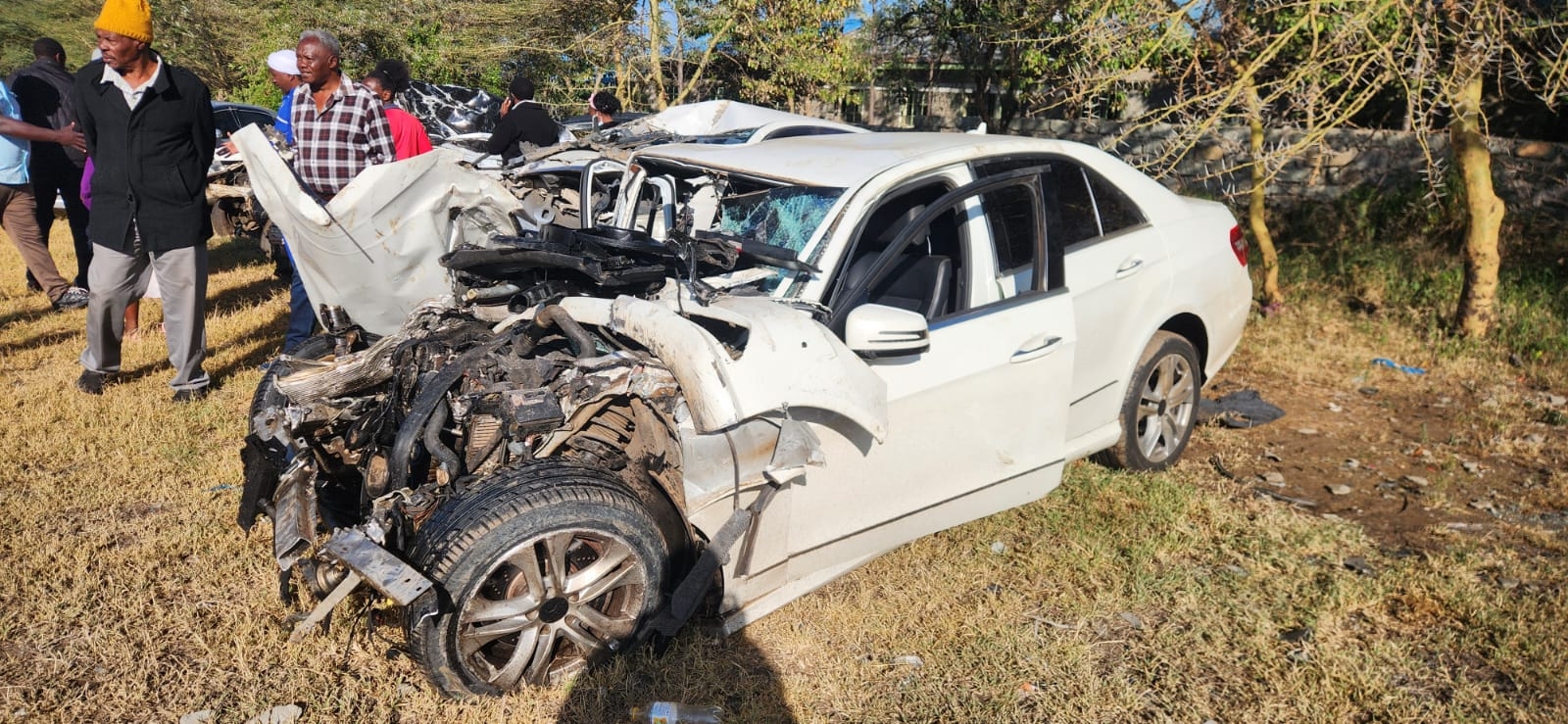
64, died early Saturday morning in a head‑on collision on the Nairobi–Nakuru
Highway.
The accident occurred at about 3 am while he was driving alone.
Police confirmed he suffered
head injuries and died on the spot following the crash with a passenger bus.
In the
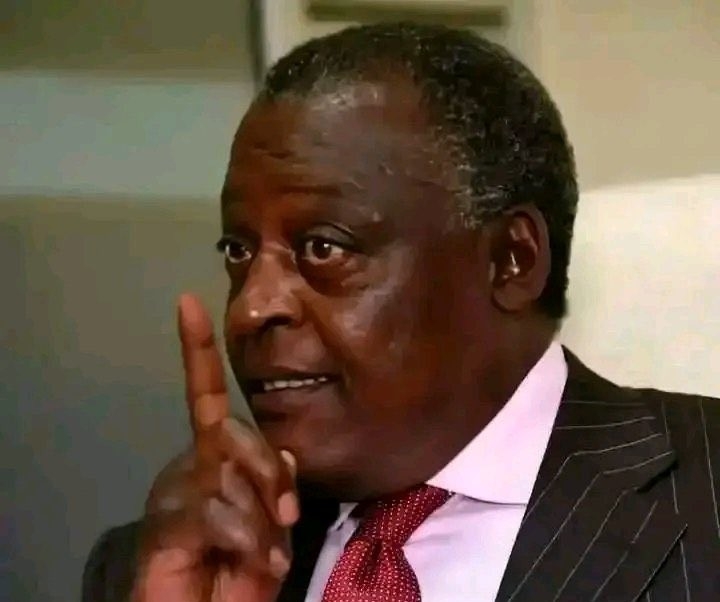
circulating video, Jirongo addresses young adults from his Tiriki community,
urging them to remember and embrace their roots.
“I stay
with Bukusus because I left Tiriki when I was two years old. Now you children who
came to Nairobi when you are adults claim you can’t speak Ki‑Tiriki,” he told the
gathering in a video seen by the Star.
Jirongo
affirmed his identity as a Tiriki from Mukove, recalling the community’s
ancestral lands.
“Burembe
Primary was our land up to the land of Kavai. I am a Tiriki from Mukove. Kavai
is the one who remained there,” he says.
He
encouraged the youth to speak their mother tongue and stay connected to their
heritage, a message resonating with many amid growing concerns over cultural
loss among diaspora communities.
The Tiriki
are a subgroup of the larger Luhya ethnic group in western Kenya, primarily
residing in Hamisi Sub‑County of Vihiga County.
They are
known for their distinct linguistic traditions, speaking Ludiriji (Tiriki), and
rich cultural practices, including initiation rites that mark the transition to
adulthood.
Jirongo
came to national prominence in the early 1990s as the leader of Youth for KANU
’92 (YK’92), a powerful political lobby that mobilised support for President
Daniel arap Moi’s re‑election campaign at the advent of multiparty politics.
He later
served multiple terms as a Member of Parliament for Lugari Constituency and
briefly as Minister for Rural Development in the Moi administration.
Over the
years, he remained a prominent political figure, known for his bold stances and
vibrant public persona.
Following
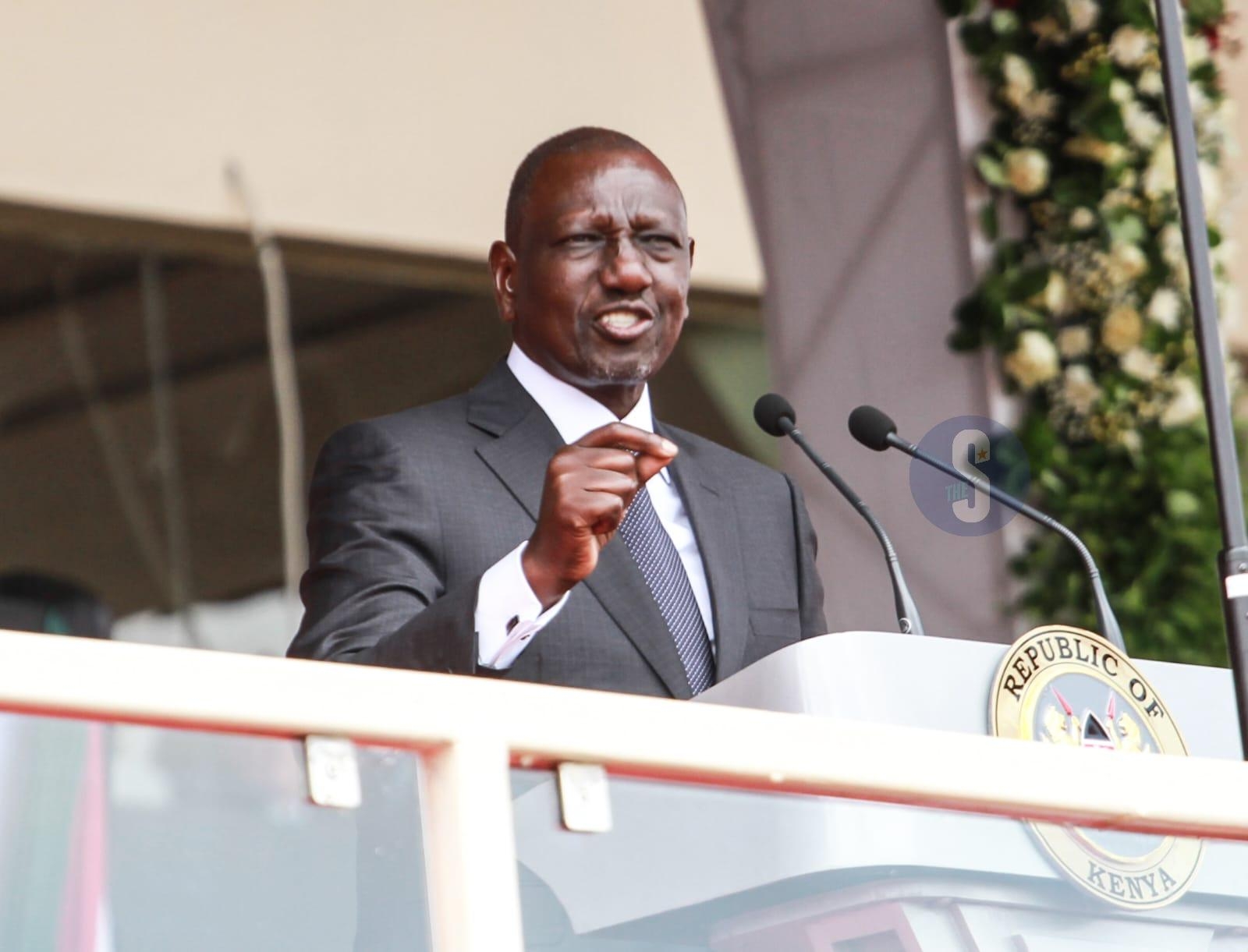
news of his death, national leaders, including President William Ruto and National
Assembly Speaker Moses Wetang’ula, mourned Jirongo as a “fighter” and
“trailblazer” in politics, describing him as generous, bold and unwavering in
his convictions.