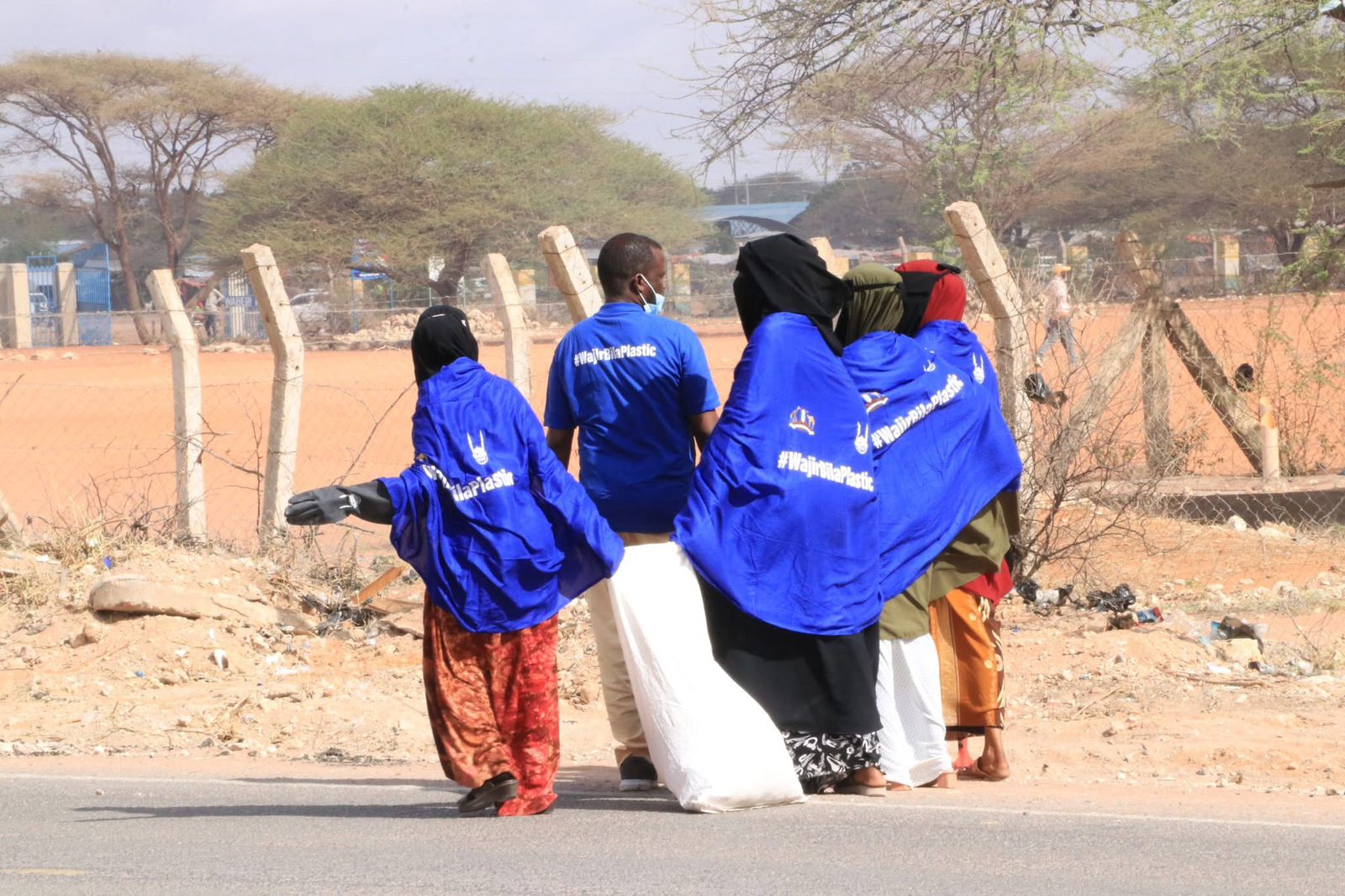
Wajir town launches drive to tackle plastic pollution
The menace becomes worse during the rainy season
9mon agoSTEPHEN ASTARIKONorth-eastern
Officials say NPAP Kenya will also strengthen Kenya’s diplomatic influence.


Audio By Vocalize
Kenya
has launched the Kenya National Plastics Action Partnership (NPAP Kenya),
a national platform designed to coordinate action on plastic waste, scale
circular economy solutions, attract investments and accelerate green
industrialisation.
The
government said the platform will anchor the country’s transition to a circular
plastics economy while strengthening its leadership in global environmental
diplomacy.
The
initiative, unveiled in Nairobi, is jointly established by the Ministry of
Foreign and Diaspora Affairs and the World Economic Forum’s Global Plastic
Action Partnership.
The platform brings
together government ministries, private sector players, civil society groups,
academia, innovators and development partners under one framework to advance
solutions to plastic pollution and support community-level waste systems.
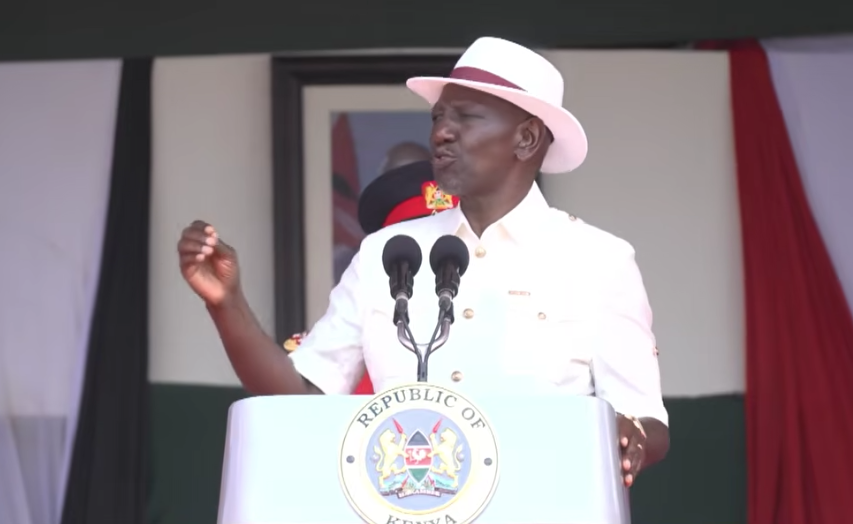
Speaking
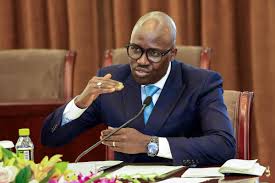
during the launch, Foreign Affairs Principal Secretary Korir Sing’oei said the platform
comes at a critical moment for Kenya and the world.
“The
plastics crisis is global, urgent and escalating. Kenya believes that solutions
must be coordinated, science-driven and inclusive,” he said.
“NPAP
Kenya provides exactly that: a unified framework that aligns national action
with regional ambition and global negotiations, while creating new economic
opportunities for our people.”
The
platform is designed to harmonise Kenya’s plastics strategy with regional and
international frameworks such as the ongoing UN Global Plastics Treaty
negotiations, the East African Single-Use Plastics Bill and Kenya’s Green
Industrialisation Strategy.
Kenya
has previously taken bold action on plastics, including the 2017 ban on plastic
carrier bags—one of the strictest in the world—and the 2020 ban on single-use
plastics in protected areas.
Sing’oei
said the platform
builds on these milestones by shifting the country from prohibitions to a
comprehensive circular model.
“We
must move from seeing plastics purely as waste to recognising them as materials
that can be redesigned, reused, recycled and responsibly managed,” he said.
“This
transition is not only good for the environment, it is good for jobs,
industries and Kenya’s position in green global value chains.”
Citing
the 2025 ‘Breaking
the Plastic Wave report, he said that 130 million tonnes of plastic enter the
environment annually—a figure expected to double by 2040 without aggressive
action.
The
report shows pollution could be reduced by up to 83 per cent under a
system-wide transformation.
“It
is this possibility—this opportunity for meaningful, measurable impact—that
Kenya seeks to seize,” he said.
Officials
say NPAP Kenya will also strengthen Kenya’s diplomatic influence.
As
a leading African voice in global plastics treaty talks and a champion of
regional alignment through the EAC SUP Bill, Kenya aims to leverage the
platform to advance climate diplomacy and attract green investment.
“Environmental
diplomacy is increasingly economic diplomacy,” Sing’oei said. “As global
markets adopt green compliance rules, countries that innovate early will
thrive. NPAP Kenya positions Kenya to do just that.”
Global Plastic Action Partnership director Clémence Schmid said Kenya’s leadership makes it a natural addition to the global NPAP network, which includes Indonesia, Vietnam, Ghana and Nigeria.
For
years, Kenya’s plastics agenda has been fragmented across counties, regulators,
private companies and waste operators.
NPAP
Kenya is expected to provide a central coordination mechanism for data, policy
implementation, recycling systems and investment mobilisation.
The
platform will operate around four pillars. They are national coordination
across ministries, private sector and civil society and the green
industrialisation support, including circular manufacturing and recycling.
Others
are jobs and social
impact,
with emphasis on informal waste workers, youth and women and the South–South
and Pan-African diplomacy to bolster Kenya’s regional leadership.
“These
pillars reflect Kenya’s belief that environmental action must uplift people,
communities and industries,” Sing’oei said. “A just transition is the only
viable transition.”
He
added that Nairobi’s role as host of Unep and other global environmental agencies
positions Kenya as a natural hub for circular economy initiatives.
As the launch concluded, Sing’oei reaffirmed the government’s resolve: “Our vision is clear—an economy where plastics do not become pollution, where green industries thrive, and where Kenya helps steer the world toward a more sustainable future. NPAP Kenya is a decisive step toward that future.”
The menace becomes worse during the rainy season