


The Water Resources Authority (WRA) has raised concerns over
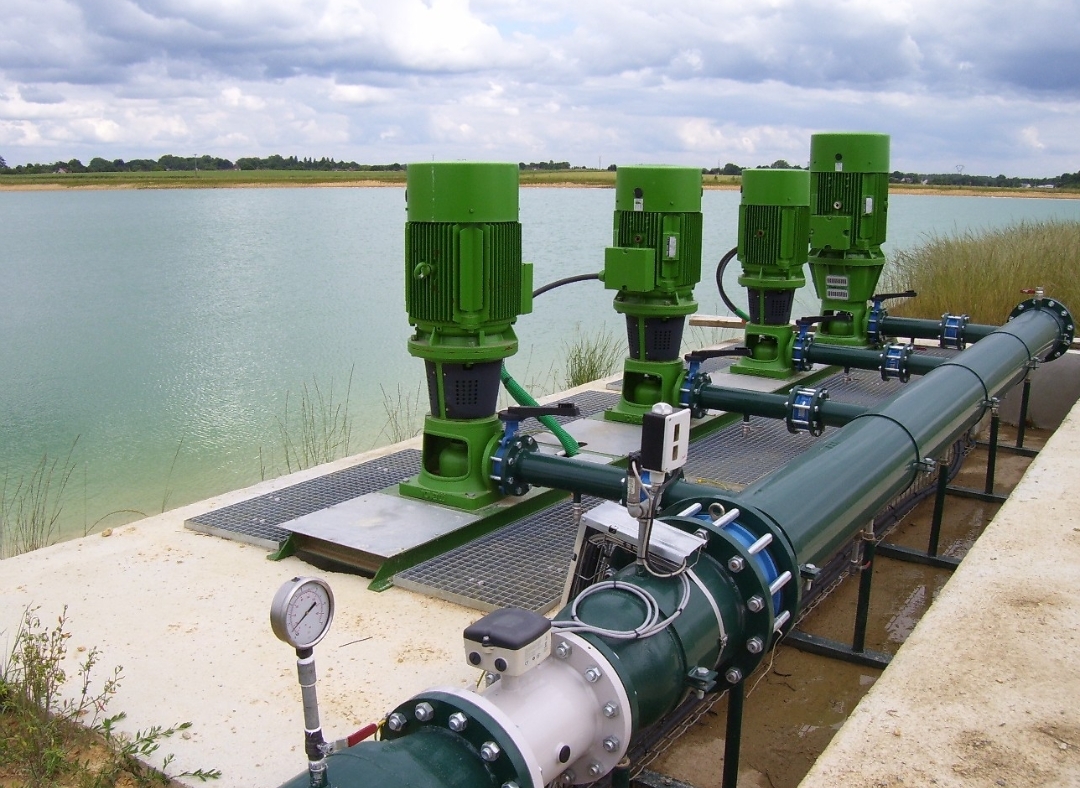
the rising cases of illegal water abstraction in the country, warning that
stern action will be taken against perpetrators.
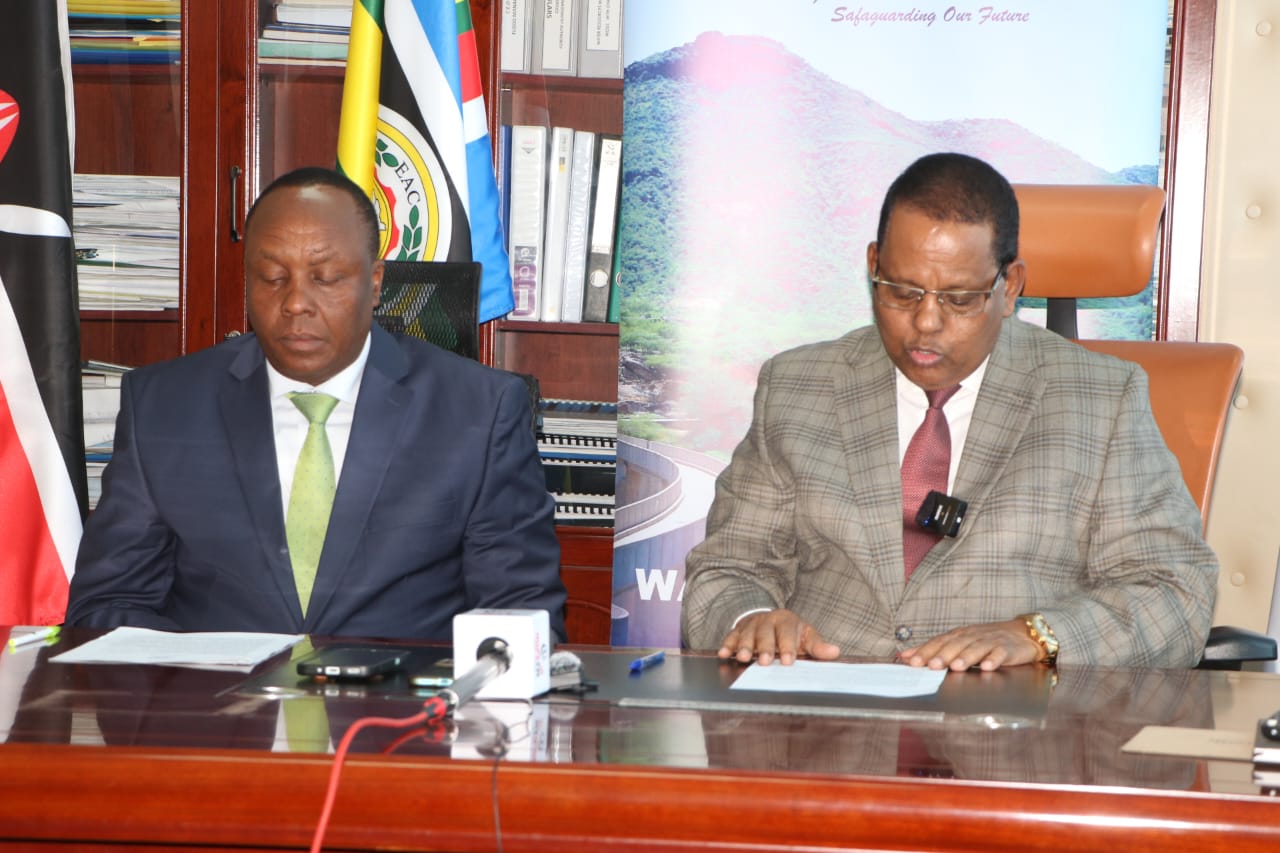
On Wednesday, WRA chairman Donald Murgor and CEO Mohamed Shurie told the press that many perpetrators have failed to obtain or comply with water use permits.
“This government is serious about making sure every Kenyan can access clean water and this is our role, as the Water Resources Authority,” Murgor said, urging Kenyans to comply with regulations.
Murgor warned the non-compliance would deny many Kenyans the commodity, especially since Kenya is a water-scarce country.
Kenya is a water-scarce country, as it has one of the lowest freshwater replenishment rates in the world at 647 m³ per capita, which is below the global benchmark of 1,000 m³ per capita.
This has led to a reduction in the amount of water available for domestic and productive uses, along with the frequency of severe weather cycles and the depletion of natural resources.
Inadequate infrastructure, including wells, boreholes and water treatment facilities, results in difficulties in accessing clean and safe drinking water, especially in rural areas.
The Constitution of Kenya 2010 states that one of the fundamental human rights is the availability of safe drinking water.
However, 32 per cent of the Kenyan population still struggles to get their hands on dependable sources of safe drinking water. Sustainable Development Goals target 6.1 addresses the achievement of universal and equitable access to safe and affordable drinking water for all by 2030.
This goal underscores the need for and importance of prioritising efforts that aim at promoting universal access to safe drinking water.
The main source of drinking water in the country includes piped water, borehole with pump, protected spring, protected well, rainwater and bottled water.
Murgo said a number of incidents of noncompliance with water laws have been noted by the authority.
He said some Kenyans wants to get the commodity for free.
“Please let us comply. We have our permitting system in place. Remember, there is a scarce water resource in this country. It is not enough and even the rest of the world, if we don't take care of the resources that we have, we must conserve,” Murgo said.
The Water Act 2016 states that a person who commits an offence shall, if no other penalty is prescribed in respect of the offence, be liable to a fine not exceeding one million shillings or to imprisonment for a term not exceeding two years, or to both such fine and imprisonment.
Shurie said the authority is concerned with incidents where political actors have influenced or encouraged individuals or groups to disregard compliance with the regulation.
“The claim that we are vandalising the equipment is untrue. A recent case in Kieni, Nyeri county, involved abstractors being incited to violate WRA directives, undermining lawful water management efforts,” Shurie said.
He warned that the leadership of private entities whose permit application was issued and found to violate regulations will be liable and prosecuted accordingly.
“In case of government institutions, the leaders who include: managing directors will be the ones apprehended in case of violation of the Water regulations, 2016,” Shurie warned.
He reminded all water users that any form of non-compliance with the Water Act,2016 and its Regulations is an offence and will attract enforcement action as provided for under the law.
“Such violations not only endanger the sustainability of water resources but also compromise the fairness and efficiency of water allocation, ultimately harming communities, ecosystems and future users,” he said.
Shurie said the authority carries out all communication directly to all abstractors, who are the permit holders.
He appealed to the public with water permits to regularise abstraction, while those without a valid water abstraction permit to visit designated WRA offices in their areas for advice or make an application through the e-permitting system.
Shurie urged those with expired permits to apply for renewal.
He said the authority remains committed to safeguarding Kenya's water resources for present and future generations.
The Water Act (2016) provides the legal basis for the regulation, management, and development of water resources and water and sewerage services.
It recognises that water-related functions are a shared responsibility between the county and national governments.
The Act established two regulatory organisations, the Water Resources Authority and the Water Services Regulatory Board.
WRA is responsible for regulating the management, protection, conservation, and use of the nation's water resources.
One of the core functions of this mandate is to ensure the equitable allocation of available water resources to all legitimate users. This equity is achieved through data-driven, science-based decision-making, with the water use permitting system serving as a key tool for transparency, accountability, and sustainable water management.
Kenya’s National Water Master Plan 2030 outlines the strategies for managing water resources sustainably.
The plan emphasises obtaining accurate data on water availability, quality and vulnerability, factoring in climate change. It also outlines the strategies that include promoting water-saving technologies, public awareness campaigns, and efficient water pricing mechanisms.